329 Hume Hwy, Lansvale NSW 2166
Dental emergency? (02) 9725 6241 ★★★★★ 4.8 | 57 reviews
Home / Services / IV Sedation

IV sedation dentistry in Lansvale

Stress-Free Dentistry with Intravenous Sedation

What is IV sedation at the dentist?

IV sedation dentistry uses a sedative given through a fine drip in your arm or hand to bring on a deep, calm, drowsy state while your dental treatment is done. You keep breathing on your own and can still respond when spoken to, but most people feel very relaxed and many remember little of the appointment afterwards. At Odontologie Dental Care in Lansvale, IV sedation is the sedation we offer, and it is planned carefully around your health and the treatment you need. It suits people with strong dental anxiety, a sensitive gag reflex, or longer and more involved treatment such as wisdom tooth removal, implant surgery or several fillings in one visit.

  • A medical and dental assessment before anything is booked
  • Breathing, heart rate, oxygen and blood pressure monitored throughout
Odontologie Dental Care clinic

Your next step

Ask whether IV sedation suits you

Call Odontologie Dental Care and ask about IV sedation. We will go through your health, the treatment you need and what the sedation involves, then give you a written plan and estimate before anything is booked.

  • Medical history and assessment first
  • Monitoring for the whole appointment
  • Written fasting and aftercare instructions
  • A written plan and fee estimate up front

Your options

Making treatment easier for anxious patients

IV sedation is one part of how we care for nervous patients. These pages explain the treatments it is most often paired with and other ways we help.

How it works

Your IV sedation appointment, step by step

Every IV sedation visit at Odontologie follows the same four stages, so you know exactly what is coming and nothing is rushed.

01

Assessment and planning

We go through your medical history, medicines, allergies and previous experiences with anaesthetic, examine your teeth and agree the treatment to be done under sedation. If IV sedation is not the safest choice for you, we say so and discuss other ways to make treatment manageable.

Book now →
02

Fasting and your escort

You receive written instructions on when to stop eating and drinking, and which regular medicines to take. You must arrange a responsible adult to bring you, take you home and stay with you for the rest of the day.

03

The sedation and your treatment

A small cannula is placed in your arm or hand and the sedative is given slowly until you are calm and drowsy. Local anaesthetic is then used to numb the area, and your breathing, oxygen levels, pulse and blood pressure are watched for the whole appointment.

04

Recovery and going home

You rest in the clinic until you are steady and alert enough to leave with your escort. We give your escort written aftercare instructions and a number to call, and we check in with you after the visit.

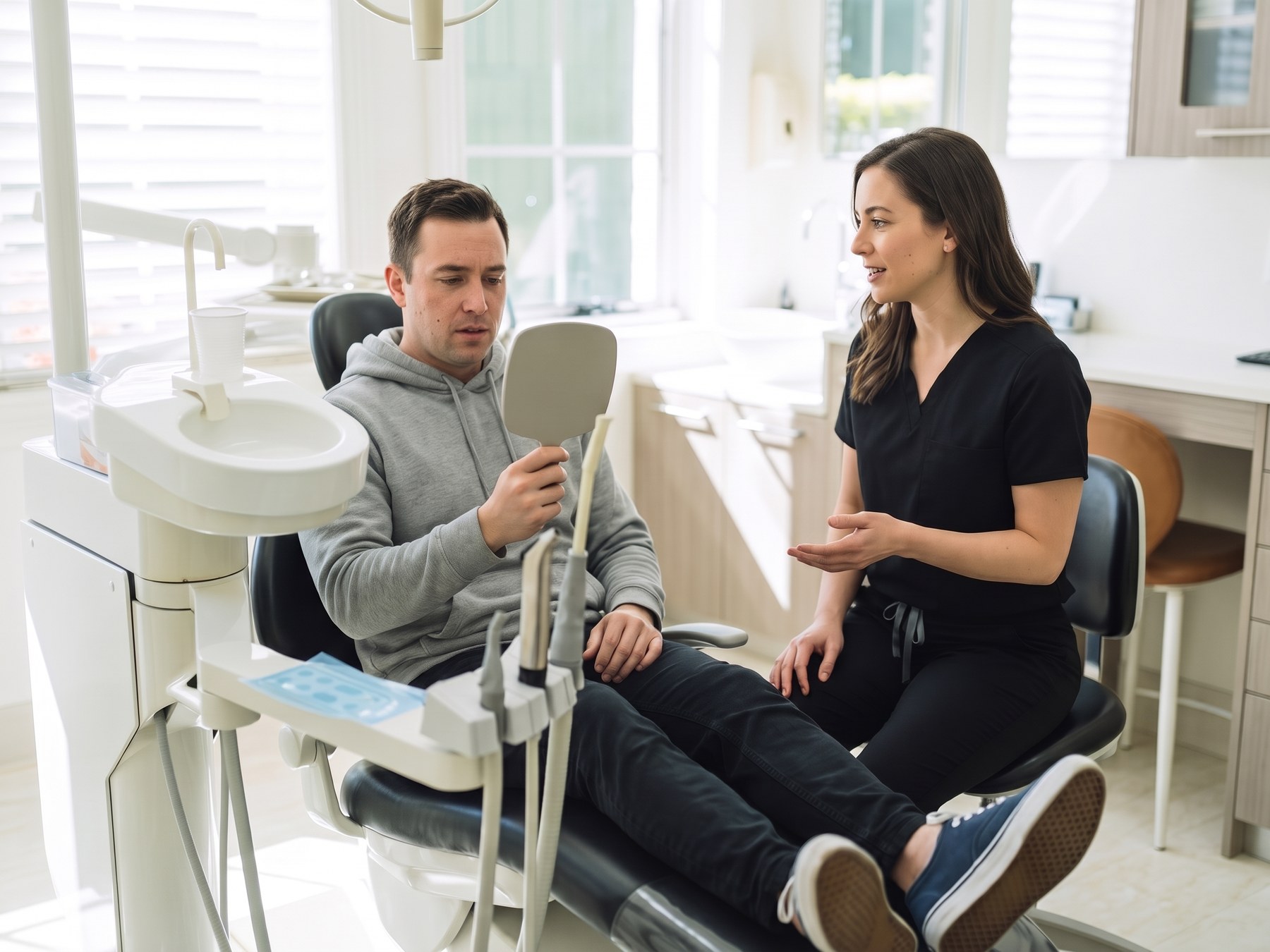
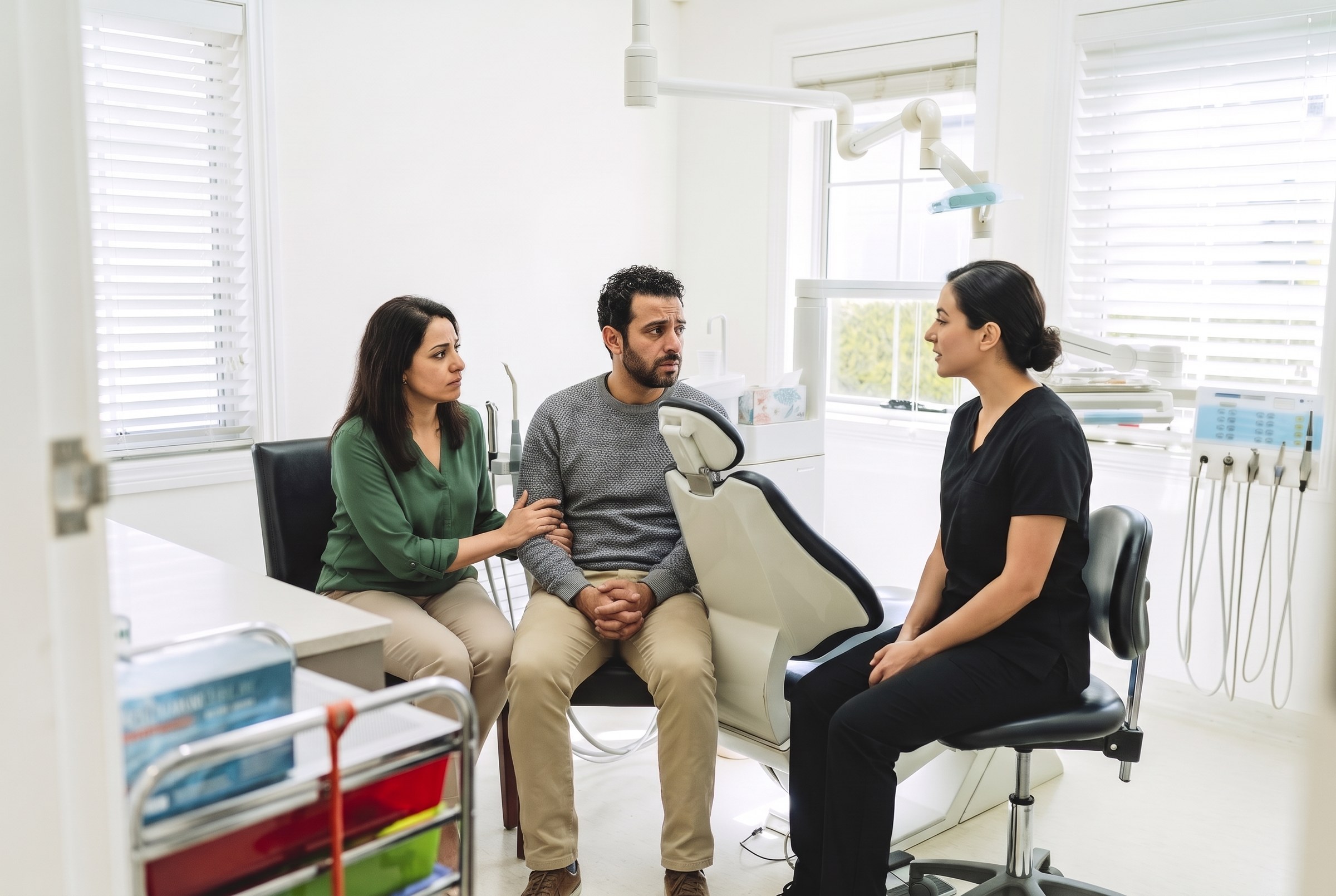
A dentist talking a nervous patient and his wife through IV sedation

Is it right for me?

Who is IV sedation suitable for?

Dental IV sedation can help a wide range of people, including those who:

  • Feel strong dental anxiety or fear that has kept them away from the dentist
  • Have had a difficult or painful dental experience in the past
  • Have a strong gag reflex that makes impressions, X-rays or treatment hard
  • Find it hard to get numb, or have very sensitive teeth
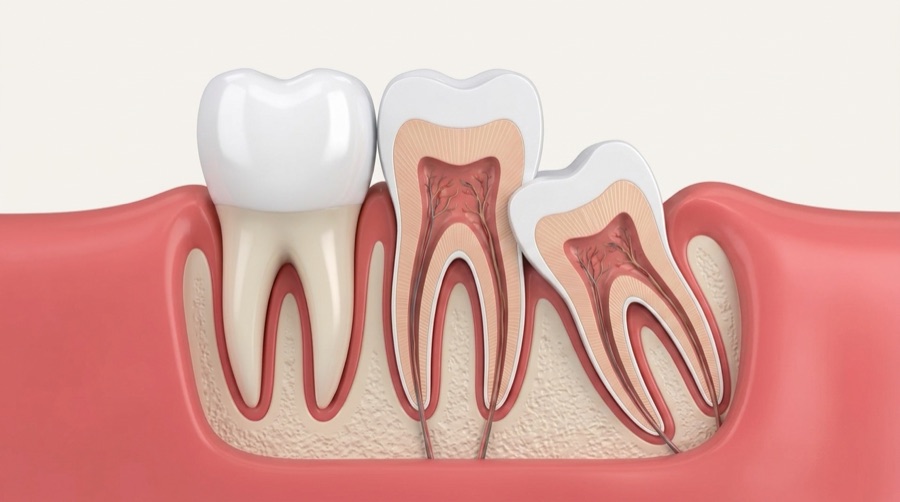
  • Need a long or complex procedure, such as surgical wisdom tooth removal or dental implant placement
  • Would like to complete several treatments in one visit rather than many shorter ones, where it is safe to do so

IV sedation is not suitable for everyone. Some medical conditions, certain medicines, pregnancy and some breathing or heart problems mean another approach is safer. That is why every patient is assessed before a sedation appointment is booked, and why we may ask your GP for more information.
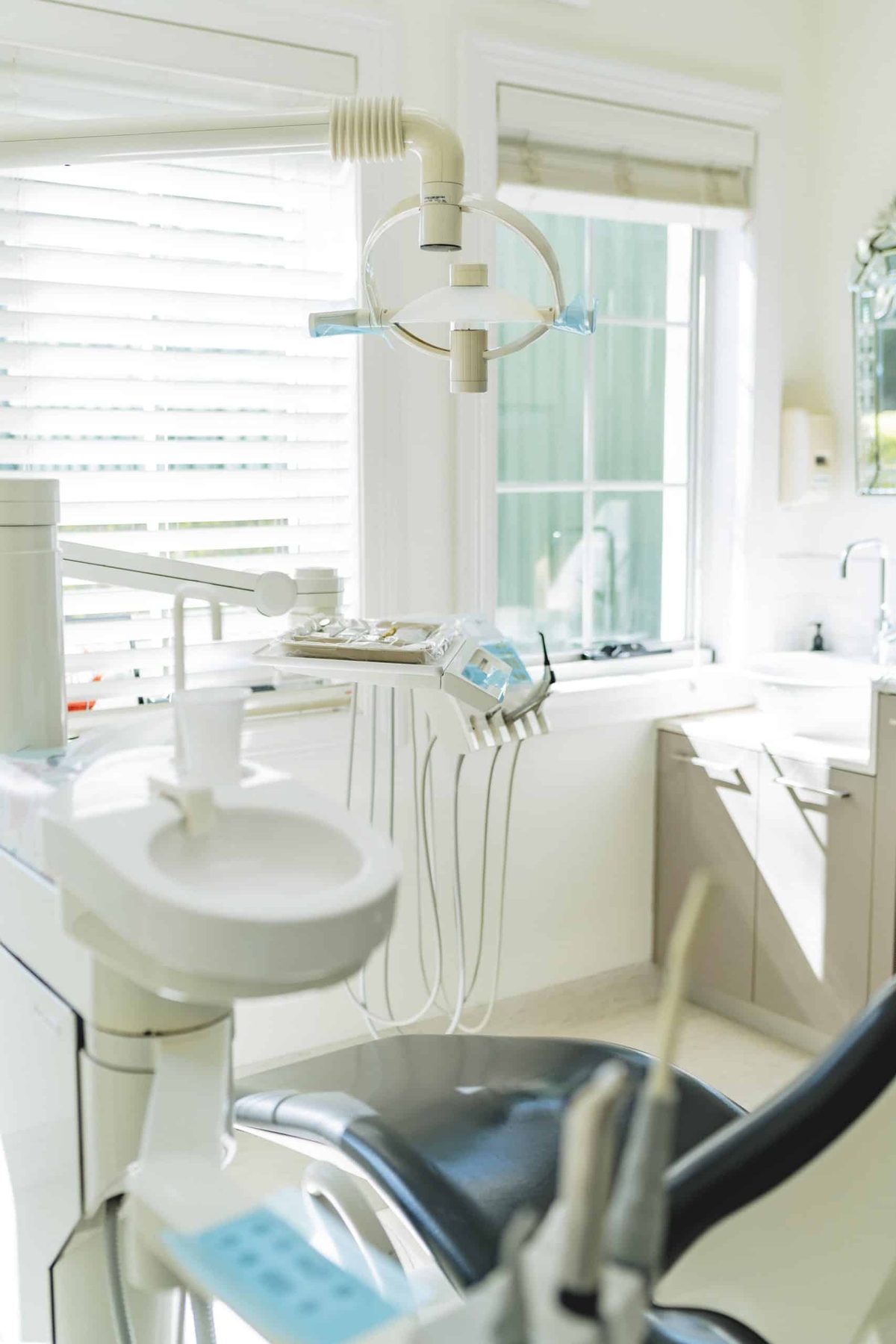
Quiet treatment room at Odontologie Dental Care with the dental chair beside white sash windows

Calm, not unconscious

IV sedation compared with general anaesthetic and local anaesthetic

It helps to know where IV sedation sits between the two other things people often ask about:

  • Local anaesthetic numbs the tooth and gum being treated. You are fully awake. It is used for almost all dental treatment, including treatment under IV sedation.
  • IV sedation is a form of conscious sedation. You stay breathing on your own and can respond to your dentist, but you feel deeply relaxed, time seems to pass quickly and many people recall little. The level can be adjusted during treatment and recovery is usually quicker than after a general anaesthetic.
  • General anaesthetic makes you fully unconscious and needs breathing support. It is given in a hospital or day surgery by an anaesthetist, and is sometimes recommended for very extensive treatment or for patients who cannot have sedation. We can discuss a referral if that is the better option for you.

Some people call IV sedation "twilight sedation" or "sleep dentistry". You may feel as though you slept through it, but you are not put fully to sleep.

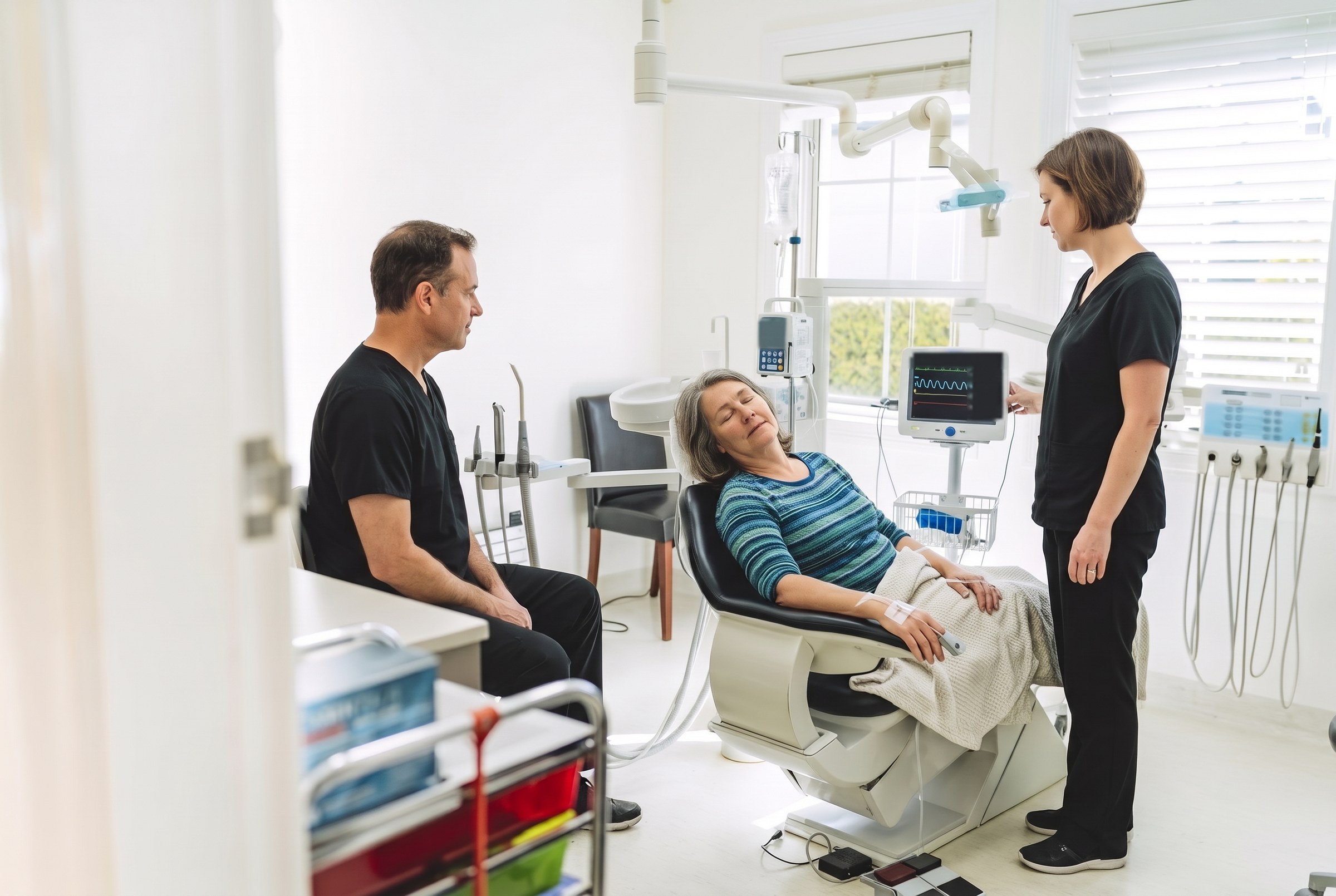
A patient resting under IV sedation while the anaesthetist monitors her

Used for

Dental treatments done under IV sedation

IV sedation can be combined with most treatments we provide at our Lansvale practice. The most common are:

  • Oral surgery, including wisdom tooth removal and tooth extractions, especially when several teeth are coming out
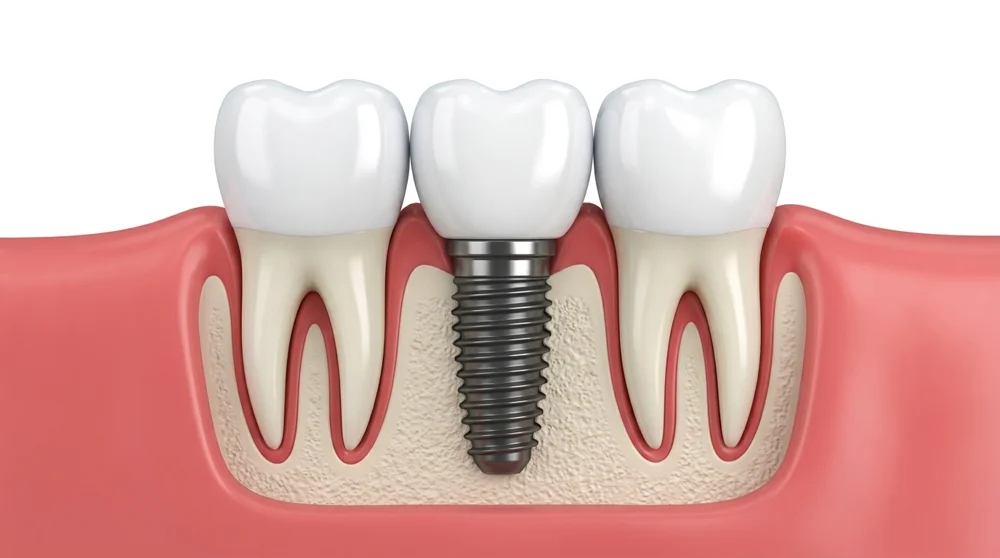
  • Implant surgery, from a single implant to All-on-4 full-arch treatment
  • Root canal treatment for patients who find long appointments difficult
  • Restorative work, such as fillings, crowns and bridges completed in fewer visits
  • Cosmetic treatment, such as veneers, for people whose anxiety would otherwise stop them going ahead

We do not use sedation for quick or simple treatments where it is not needed. When sedation is the right choice, an anaesthetist gives it and looks after you, so you can have treatment in a calm, controlled setting.

A daughter helping her drowsy father into the car to drive him home after IV sedation

Afterwards

Recovery: can I drive home after IV sedation?

No. The sedative stays in your system for some hours even when you feel fine, so for the rest of the day you must not:

  • Drive, ride a bike or operate machinery
  • Drink alcohol or take medicines that have not been approved by your dentist or doctor
  • Sign legal documents or make important decisions
  • Look after young children on your own, or go back to work

Your escort should take you home and stay with you until the next day. Rest, drink plenty of water once you are allowed, and follow the aftercare for the treatment you had, such as care after an extraction. Mild drowsiness, a headache or slight bruising where the cannula was placed are common and settle quickly. Call us on (02) 9725 6241 if anything worries you, and seek urgent medical help if you have difficulty breathing.

Good to know

IV Sedation - frequently asked

Will I remember the treatment?

Many people remember very little, and the appointment can feel much shorter than it was. Some people remember parts of it. Either way you are calm, comfortable and able to respond to your dentist throughout.

Will I be asleep during IV sedation?

Not fully. IV sedation is conscious sedation, so you keep breathing on your own and can follow simple instructions. Many people drift into a light, dozy state and feel as if they slept, but it is not a general anaesthetic.

Who gives the sedation?

At Odontologie, IV sedation is given and monitored by an anaesthetist, while your dentist carries out the treatment. When we book your appointment we explain how the anaesthetist will look after you and how you will be monitored.

Is IV sedation safe?

For suitable patients who have been properly assessed, IV sedation has a good safety record. Like any medical procedure it carries some risks, which we explain at your assessment. Your breathing, oxygen levels, pulse and blood pressure are monitored the whole time, and emergency equipment is on hand. Any surgical or invasive procedure carries risks. Before proceeding, you should seek a second opinion from an appropriately qualified health practitioner.

How much does IV sedation cost?

Sedation is charged on top of the dental treatment, and the fee depends mainly on how long the appointment runs. After your assessment we give you a written estimate covering both the treatment and the sedation. Whether your health fund contributes to sedation depends on your fund and your level of cover, so check with your fund before treatment.

Can I have IV sedation if I am afraid of needles?

Often, yes. The cannula is a very fine, soft tube placed once at the start, and we can use a numbing cream first. Tell us about the fear at your assessment so we can plan for it.

How long do I need to fast before IV sedation?

You will be given exact written fasting instructions when you book. Follow them closely, as eating or drinking too close to the appointment means the sedation has to be postponed for your safety.

Can I get several treatments done in one visit?

Often, yes. Combining treatments, such as removing several teeth or completing a number of fillings, is one of the main reasons people choose IV sedation. We plan how much can be done safely in one appointment at your assessment.

Still have questions?

Ready to take the next step?

Booking online takes under a minute, or give our friendly team a call - new patients are always welcome.

  • Medical history and assessment first
  • Monitoring for the whole appointment
  • Written fasting and aftercare instructions
  • A written plan and fee estimate up front
We accept all major health funds
MedibankBupaHCF
Odontologie Dental Care is part of the My Implant Dentist Group