From the Odontologie Dental Care blog
A Simple Guide to Bad Dental Implants
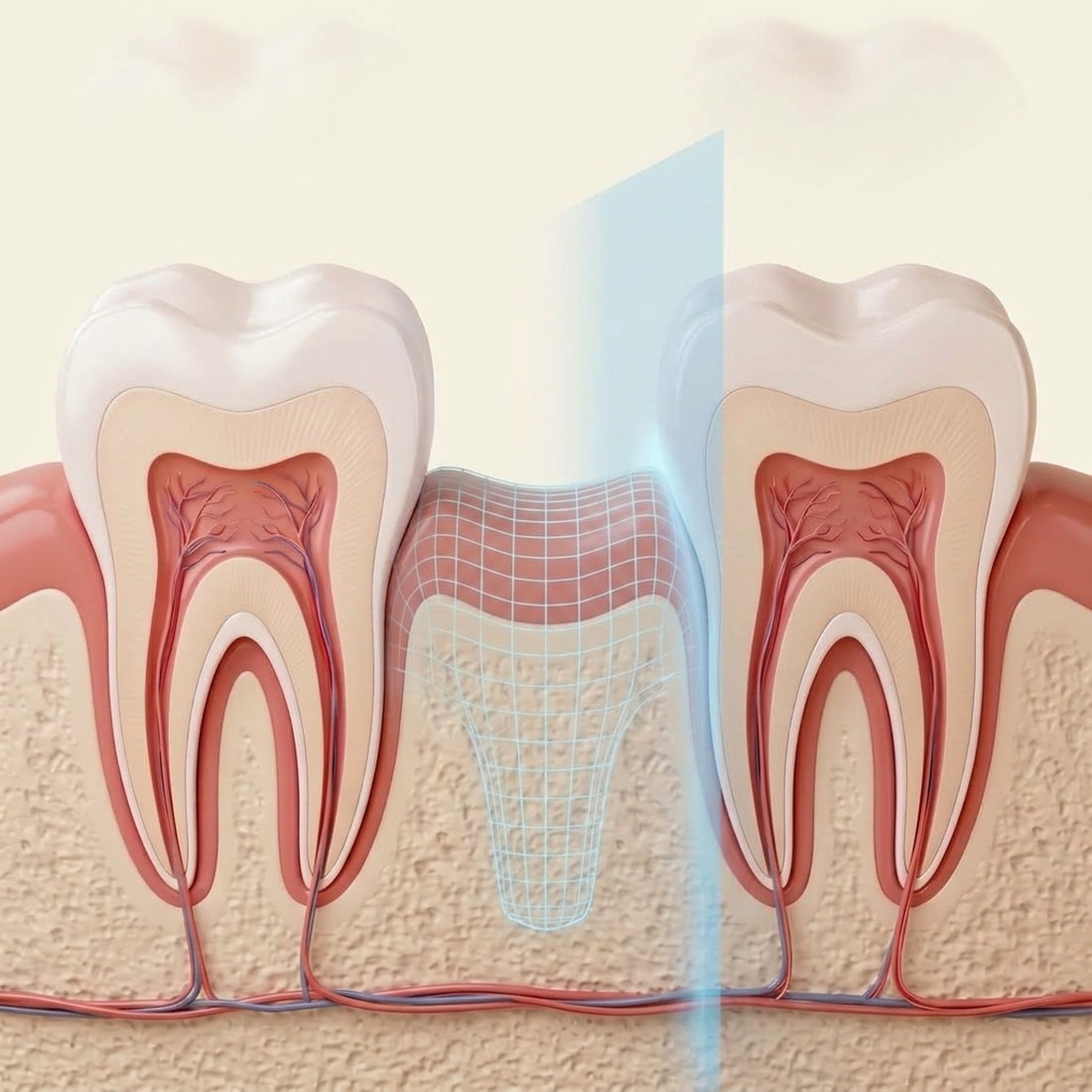
Dental implants have become a popular solution for missing teeth, offering a permanent and natural-looking replacement. However, not every dental implant procedure goes smoothly, and complications can arise.
What Are Dental Implants?
Dental implants are artificial tooth roots, typically made of titanium, surgically placed into the jawbone. Dental implant placement is a critical phase in the procedure, as proper positioning within the jawbone impacts the integration with surrounding bone and tissue, ultimately affecting the success of the implant.
They provide a stable foundation for fixed or removable replacement teeth. While dental implants boast a high success rate, complications can arise, leading to what’s commonly referred to as “bad dental implants”.
Dental Implant Surgery: What to Expect
Dental implant surgery is a transformative step towards restoring the aesthetics and functional integrity of one’s smile. Patients must be ready for a range of potential side effects that come with it. Awareness and understanding of these side effects are pivotal in setting realistic expectations and facilitating a smoother recovery process.
The dentist or oral surgeon will make an incision in the gum tissue to expose the jawbone during the surgery. A hole is then drilled into the bone, and the dental implant is inserted. The implant is typically made of titanium and is designed to fuse with the surrounding bone tissue.
After the implant is placed, the gum tissue is closed over the implant, and the healing process begins. This process can take several months when the implant fuses with the bone tissue. Once the implant is fully integrated, the dentist can attach a crown or bridge to the implant, restoring the patient’s smile.
Understanding the steps involved in dental implant surgery can help patients feel more prepared and confident. Knowing what to expect can also aid in managing any discomfort and ensuring a successful recovery.
Did you know: The failure rate of dental implants in Australia is estimated to range between 5% and 10%, based on various studies and clinical observations.
Common Problems with Dental Implants
Experiencing issues with dental implants can be distressing. Here are some common problems:
| Problem | Description | Solution |
|---|---|---|
| Infection at the Implant Site | Bacteria enter the surgical site, leading to inflammation and pain. | Antibiotics and improved oral hygiene. |
| Implant Failure | The implant doesn’t integrate with the jawbone, causing it to become loose. | Surgical intervention may be required. Early detection and treatment are crucial to address the issue if a dental implant fails. |
| Nerve Damage | The implant was placed too close to a nerve, causing numbness or tingling. | Immediate consultation with a dentist. |
| Sinus Issues | Implants in the upper jaw protrude into sinus cavities. | Possible surgical correction. |
These issues can significantly impact a patient’s quality of life and may require prompt attention from a dental professional.
Signs of a Bad Dental Implant
Recognising the signs of a failing implant early can prevent further complications. Patients should be aware of:
- Persistent pain or discomfort
- Swelling or inflammation around the implant
- Difficulty chewing
- Implant mobility
If you experience any of these symptoms, it’s essential to consult your dentist promptly. Early intervention can often prevent more serious complications and may save the implant. Recognising these signs early is crucial because bad dental implants can often be treated if detected promptly.
Causes of Dental Implant Failure
Several factors can contribute to implant failure. Poor oral hygiene is a leading cause, as neglecting oral care can lead to infections that compromise the implant. Smoking is another significant risk factor; tobacco use can impede healing and increase the risk of failure.
Gum disease can lead to complications such as peri-implantitis, which affects the surrounding tissues and bone of the implants, ultimately increasing the risk of treatment failure.
Insufficient bone support can also lead to implant failure. The implant may not properly integrate with the jawbone without adequate bone density. This is why some patients require bone grafting procedures before implant placement.
Medical conditions can play a role in implant failure, too. Conditions like diabetes or autoimmune diseases can affect healing and increase the risk of complications. Discussing your full medical history with your dentist before implant surgery is crucial.
Preventing Bad Dental Implant Complications
Prevention is always better than cure when it comes to dental implants. To minimise the risk of complications, consider the following:
- Proper oral hygiene is essential to avoid issues like gum disease and infections, which can jeopardise the success of dental implants.
- Maintain excellent oral hygiene practices. This includes brushing twice daily with a soft-bristled toothbrush, flossing daily, and using an antimicrobial mouthwash. Regular dental check-ups are essential. Your dentist can spot potential issues early and address them before they become serious problems.
- Discuss any medical conditions with your dentist before the procedure. Certain health issues may affect your suitability for implants or require special precautions. Follow post-operative care instructions diligently. This may include dietary restrictions, oral hygiene practices, and medication schedules.
- If you’re a smoker, consider quitting or at least reducing your tobacco use, especially in the weeks before and after the implant procedure. Smoking can significantly impair healing and increase the risk of implant failure.
Dealing with Long-Term Side Effects
While dental implants offer a durable option for tooth loss, understanding potential long-term side effects is crucial for maintaining oral health. Key long-term side effects include sinus problems (in the upper jaw), bone loss or resorption, and implant failure or rejection.
Addressing these long-term adverse effects involves a combination of personal diligence in oral care and regular check-ups. Patients should maintain good oral hygiene practices, such as brushing and flossing, to prevent bacterial infection and maintain healthy gums. Regular dental check-ups can help identify potential issues early on, reducing the risk of complications.
Overcoming Fear and Anxiety
Dental implants are a safe and effective way to replace missing teeth, but some patients may still feel anxious or fearful about the procedure. Understanding the risks and complications associated with dental implants can help alleviate these concerns.
Patients should discuss their fears and anxieties with their dentist. They should also ask questions and seek reassurance about the procedure. Patients can feel more confident and comfortable with their treatment options by being informed and involved in the decision-making process.
Additionally, patients can take steps to manage their anxiety, such as practising relaxation techniques, such as deep breathing or meditation. They can also bring a friend or family member to the appointment for support.
Treatment Options for Bad Dental Implants
If you suspect issues with your dental implants, consult your dentist promptly. Treatment options may include:
- Antibiotics are often the first line of defence against infections. Your dentist may prescribe oral antibiotics or apply them directly to the affected area. In some cases, surgical intervention may be necessary. This could involve removing and replacing the implant or addressing issues with the surrounding bone or tissue.
- Additionally, dental surgery may be required to address complications such as the failure of the implant to bond with the bone, peri-implantitis, infections, nerve damage, or the effects of existing periodontal disease on treatment outcomes.
- Bone grafting might be required if insufficient bone density supports the implant. This procedure involves adding bone or bone-like materials to your jaw to create a more stable foundation for the implant.
In cases of severe complications, your dentist might recommend removing the implant entirely and exploring alternative tooth replacement options.
Key Takeaways
- Dental implants are a reliable solution for missing teeth but not without potential complications.
- Early detection of bad implants and their issues can prevent further problems and often save the implant.
- Maintaining good oral hygiene and attending regular dental visits are essential for the long-term success of your implants.
- Dental implants mimic the look and feel of natural teeth and address complications related to missing teeth and overall oral health.
- If you experience any discomfort or changes with your dental implants, don’t hesitate to consult your dentist. Prompt attention to potential problems can make a significant difference in the outcome.
FAQs
What should I do if my implant feels loose?
Contact your dentist immediately. A loose implant can indicate a failure to integrate with the bone or other serious issues. Early intervention can often save the implant and prevent further complications.
Can failed implants be replaced?
Yes, in many cases, failed implants can be replaced successfully. However, this often requires addressing the underlying issue that caused the initial failure. Replacement can involve removing the failed implant, letting the site heal, and sometimes a bone graft before a new implant is placed. Any surgical or invasive procedure carries risks. Your dentist will assess your individual situation and recommend the best course of action.
Are there any new developments in dental implant technology for 2025?
As of 2025, there have been several advancements in dental implant technology. These include improved implant materials that promote better osseointegration, digital planning tools for more precise implant placement, and enhanced surface treatments that reduce healing time. Your dentist can provide more information about the latest options available.
How can I find a reputable implant dentist in Australia?
The Australian Dental Association (ADA) is a good starting point. They can provide information about qualified dentists in your area. You can also ask for recommendations from your regular dentist or friends and family who have had successful implant procedures.
Why is it important to consult dental professionals?
Consulting dental professionals is crucial for assessing patient needs, managing potential side effects, and ensuring comprehensive care throughout the dental implant process.
Keep reading
More from our dentists

Your next step
Want advice about your own teeth?
An article can only go so far. Book online or ring the Lansvale team on (02) 9725 6241, and a dentist will look at your teeth and talk you through the options that fit you.
- New patients welcome, family dentist since 1988
- All major health funds accepted, HICAPS on the spot
- IV sedation available for nervous patients



 Group