

329 Hume Hwy, Lansvale NSW 2166
Dental emergency? (02) 9725 6241 ★★★★★ 4.8 | 57 reviews
Home / Services / Implant Supported Dentures

Implant supported dentures in Lansvale

Implant supported dentures
that stay where they belong

Snap-on dentures for a steadier bite

Implant supported dentures fix the most common complaint about a full denture: it moves. A small number of implants are placed in the jaw, and the denture clicks onto them, so it holds firm while you eat and talk and unclips for cleaning. At Odontologie Dental Care in Lansvale, a free implant consultation shows how many implants your jaw would need and whether your current denture could be adapted.

  • Clicks onto implants, so no adhesive is needed
  • Comes out each night to clean, like a normal denture
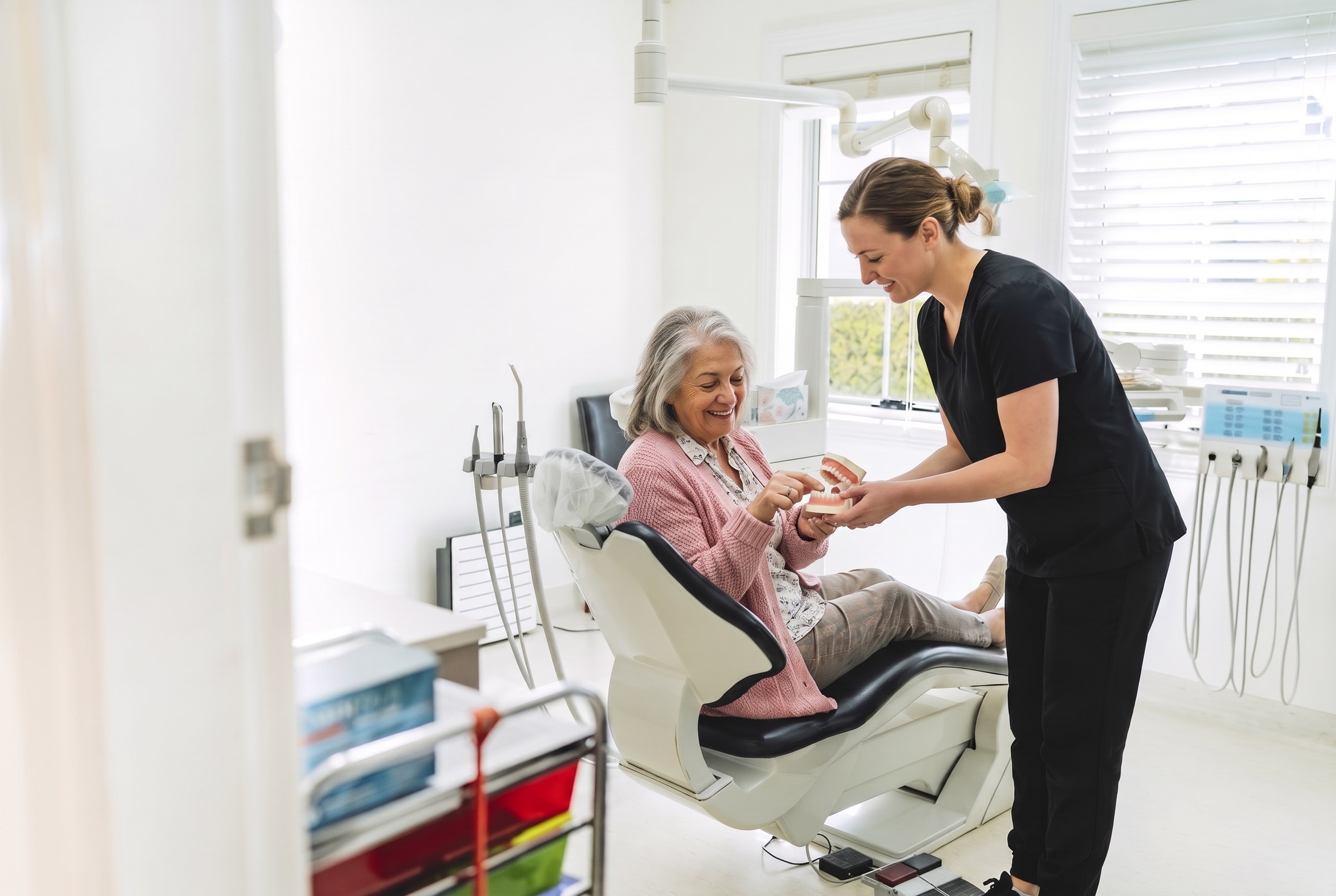
Odontologie Dental Care clinic

Your next step

Book a free implant consultation

Find out whether snap-on dentures would suit you. At our Lansvale practice we take photographs and an OPG X-ray, check your gums and your current denture, and give you a written treatment plan with the fees and timeline. We explain the payment options as well, at no cost. A $75 deposit holds your free consultation, and it is refunded when you attend or if you give us 48 hours' notice to cancel.

  • Photographs and OPG X-ray included
  • Your current denture assessed
  • A written plan with fees and timeline
  • Payment options explained

Transparent pricing

Implant supported dentures cost in Lansvale

TreatmentPrice
Implant consultation and treatment planFree
3D cone-beam CT (CBCT) scan$220
Implant-supported dentures (per jaw)from $15,000
Partial implant-supported denturefrom $9,000

Your fee depends on the number of implants, whether a new denture is made or your existing one is converted, and whether bone grafting or IV sedation is needed. All of it is itemised in your written plan before anything begins. For more on implant pricing, see our guide to the costs for dental implants.

You can spread the cost of implant dentures. Odontologie offers humm and Afterpay, subject to approval. Our payment options page explains each.

humm
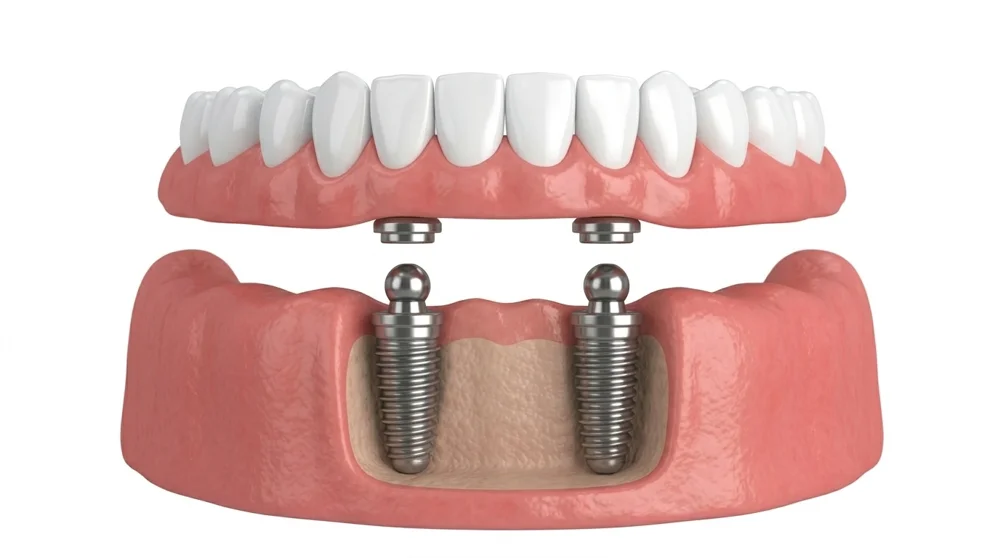
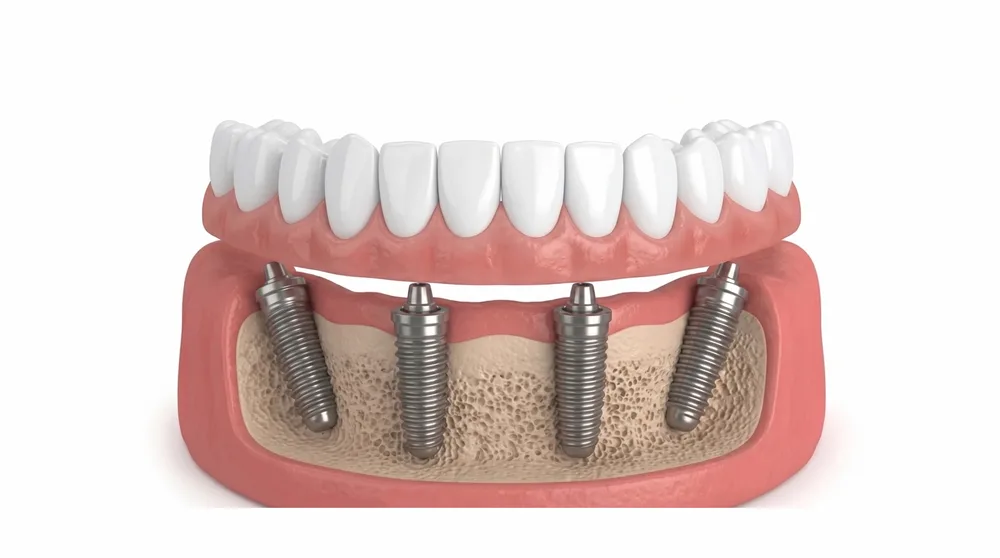
Diagram of a full lower denture lined up over implants in the jaw, ready to clip into place

How they work

What are snap-on dentures?

A standard full denture rests on the gums and relies on suction, saliva and often adhesive to stay put. Upper dentures can work well this way, but lower dentures have far less to grip, so many people find theirs lifts when they chew, clicks when they speak, or leaves sore spots by the end of the day.

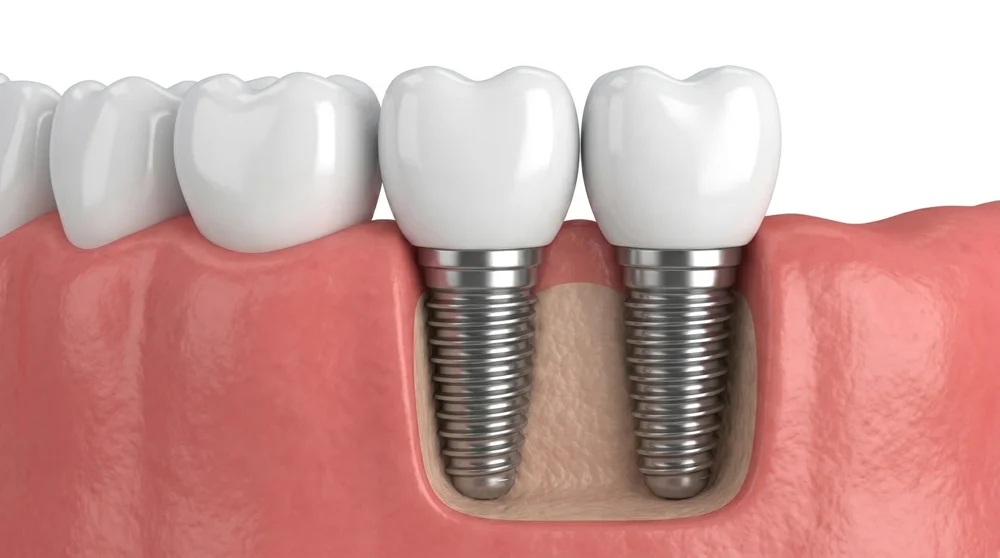
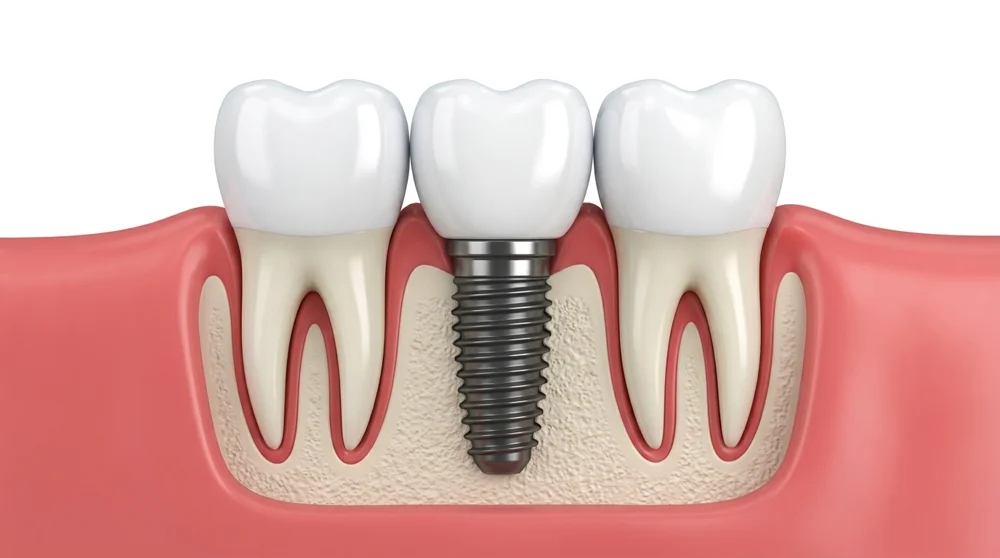
Snap-on dentures, also called implant retained dentures or overdentures, add anchors. Implants are placed in the jaw, each with a small attachment, and the underside of the denture carries matching housings. Press the denture down and it clicks home; lift it at the clips and it comes out. It is still a removable denture, so you take it out at night, but during the day it stays where it should.

If you are not ready for implants, our dentures page covers full and partial dentures, and our guide to denture types explains the differences.
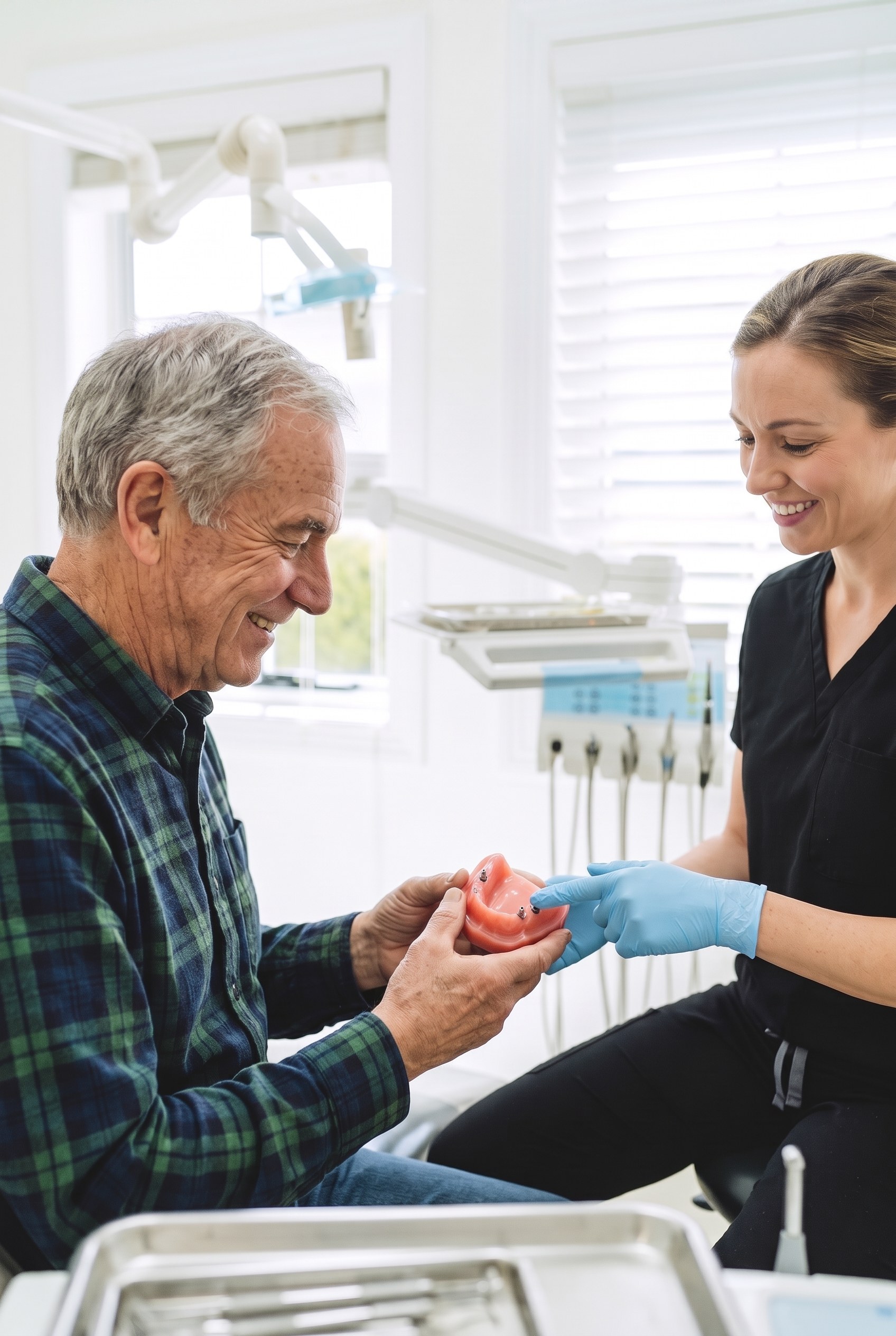
An older man holding a lower gum model with implant studs while a dentist points to one of the attachments

Numbers and comparisons

How many implants does a denture need?

For a lower denture, two implants are a common starting point, and some people choose four for a firmer hold. The upper jaw has softer bone and a larger denture, so it usually needs more implants, often four or more, to work well. How many suit you depends on your bone, your bite and your budget, and your scans settle it.

Snap-on dentures or All-On-4? Both use implants to carry a full set of teeth. A snap-on denture is removable by you, generally needs fewer implants, and costs less. An All-On-4 bridge is screwed in and only your dentist removes it, so it feels closer to natural teeth and leaves the roof of the mouth uncovered, but it involves more surgery and a higher fee. Some people start with an overdenture and move to a fixed bridge later.

How it works

How snap-on dentures are fitted

Treatment follows four stages over several months. In most cases you keep wearing a denture throughout, so you are not without teeth while the implants heal.

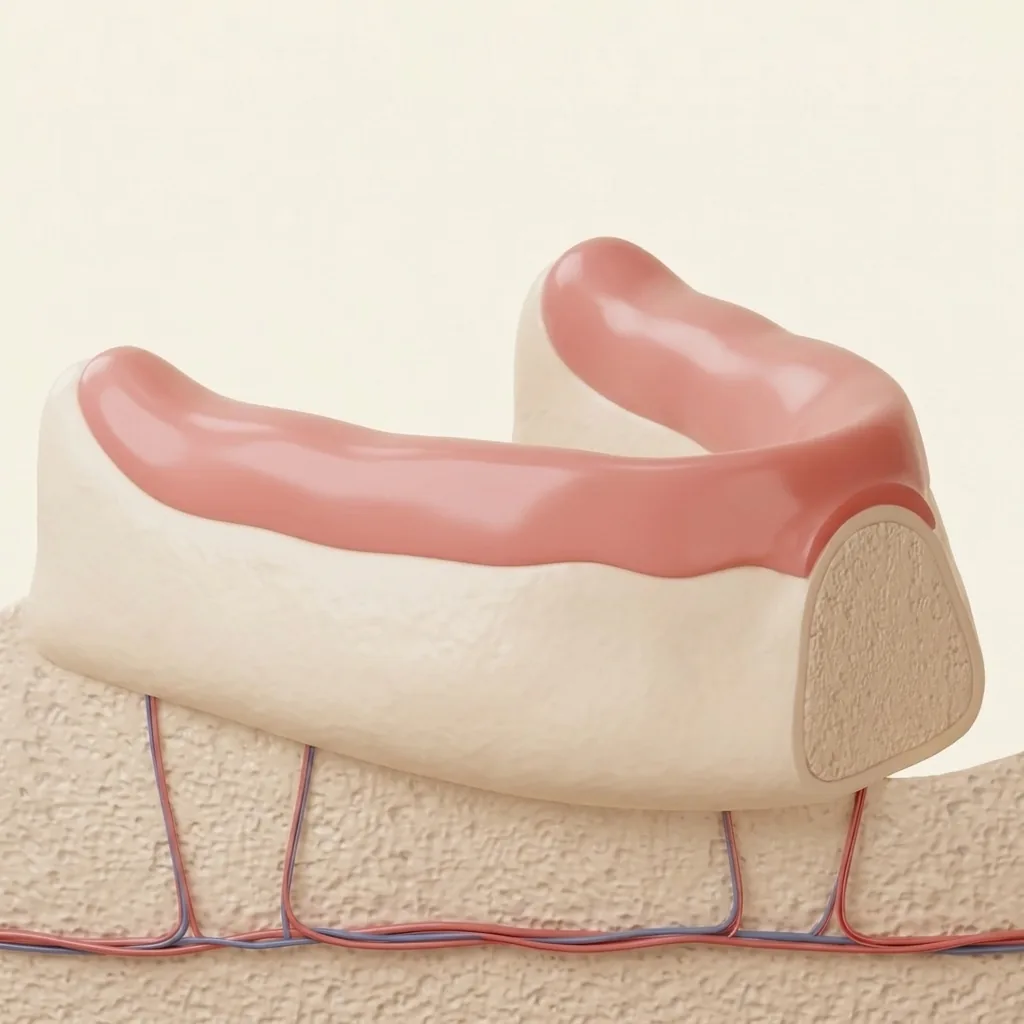
A jaw with no teeth, the gum cut back at one end to show the bone ridge under it
01

Free consultation and planning

We look at your gums, the shape of the ridge your denture sits on, and the denture itself. Photographs and an OPG X-ray show the bone available, and a 3D cone-beam (CBCT) scan can add detail. We then discuss how many implants suit your jaw and whether your existing denture is worth converting, and you receive a written plan with fees and timing.

Book now →
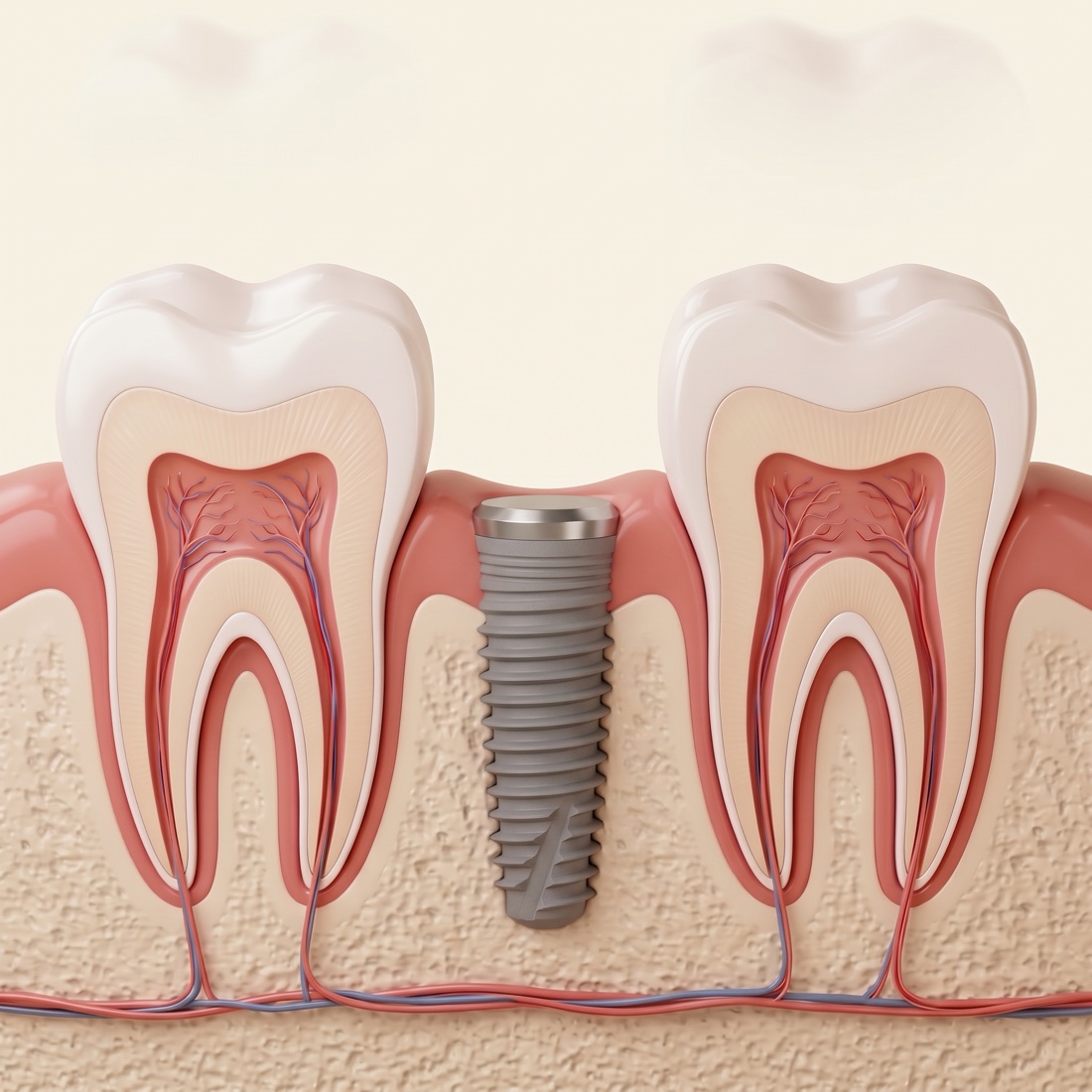
Jaw cross-section showing a titanium implant seated in the bone beneath the gum
02

Placing the implants

The implants are placed under local anaesthetic, with IV sedation available if you are anxious. Their positions are chosen so the biting load is shared evenly. Your current denture is usually hollowed and softened underneath so you can keep wearing it while the gum heals.

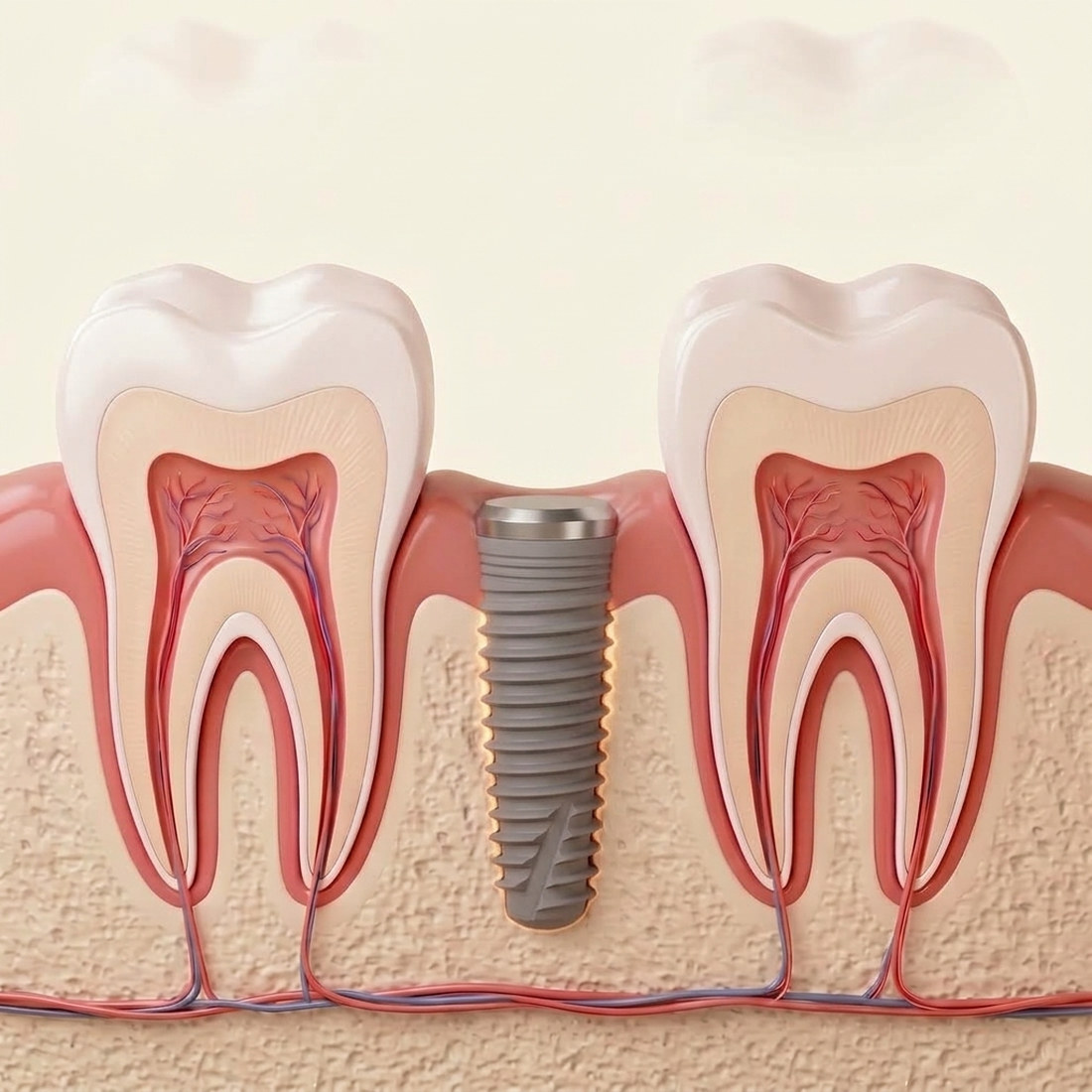
Jaw cross-section showing bone grown closely around a healed implant under a small cap
03

Healing time

Over the following months the bone grows onto each implant. This is what gives the finished denture its hold, so it is not rushed. We see you during this time to check the gum and adjust the denture you are wearing if it needs it.

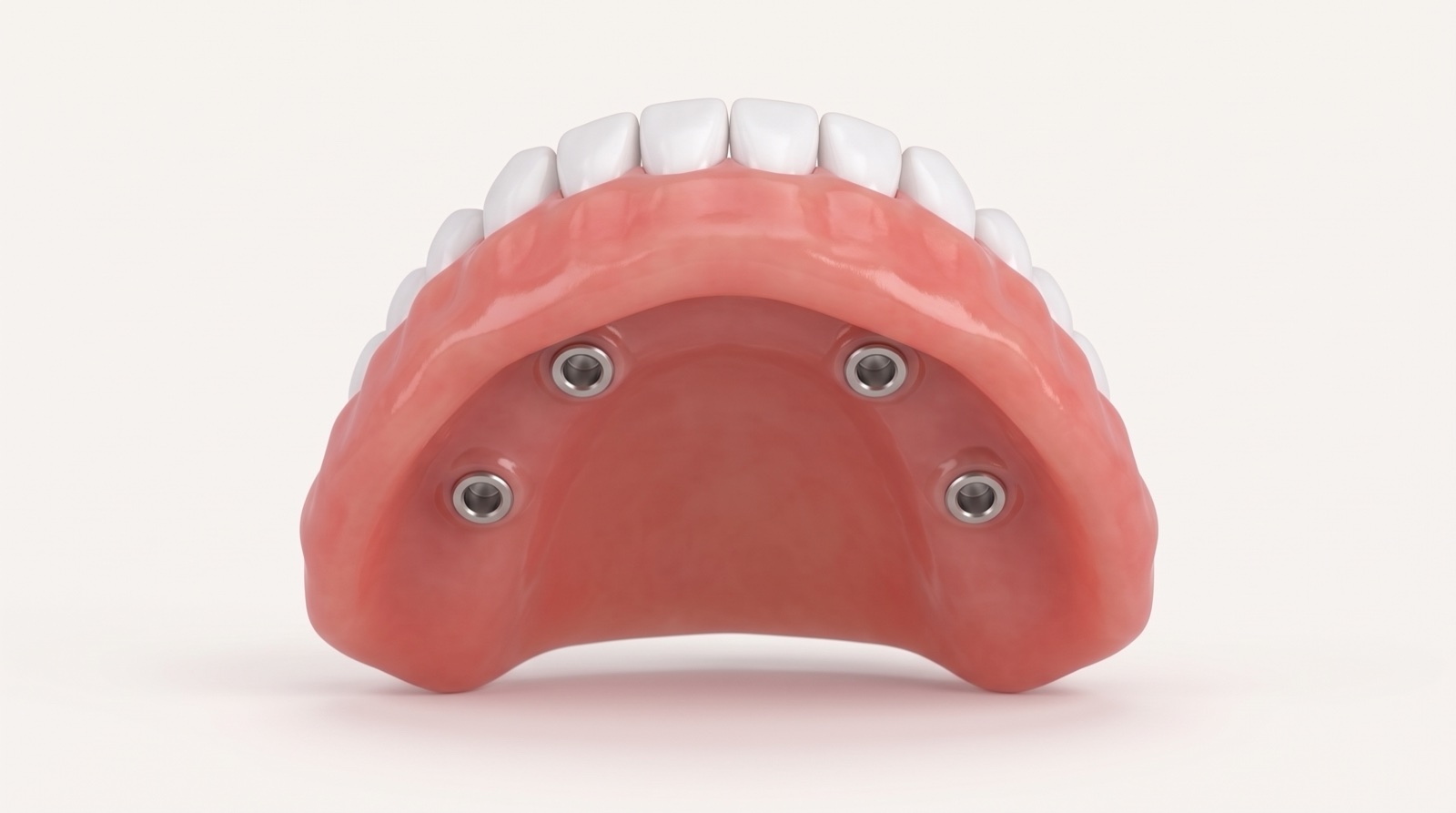
The underside of an implant denture showing the small housings that click onto the implants
04

Fitting your overdenture

When the implants are firm, attachments are connected to them and matching housings are set into the denture, either your converted one or a new one. We check the bite, show you how to click it in and take it out, and see you again after you have eaten a few ordinary meals with it.

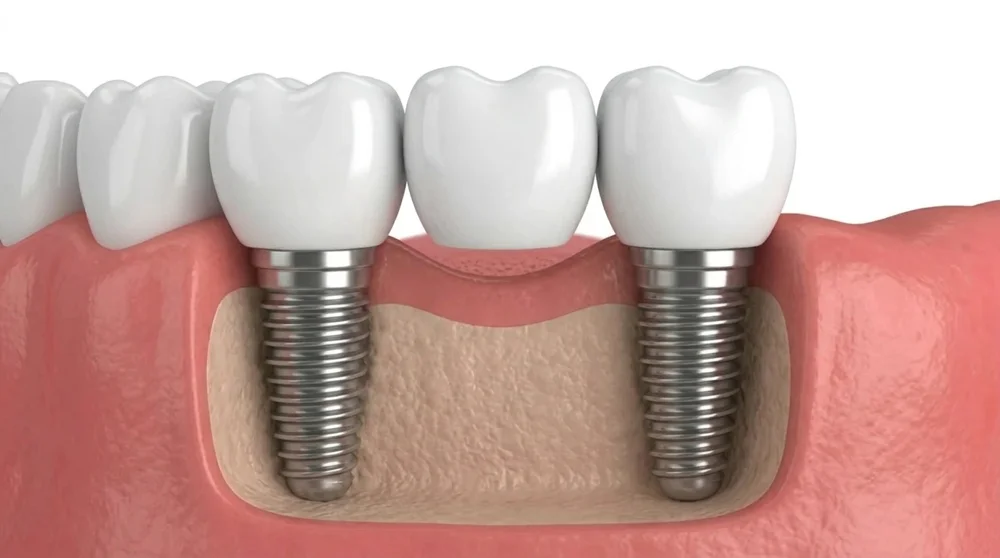
A full denture clipped onto implants in the lower jaw

Why people choose them

Benefits of implant retained dentures

  • A steadier fit. The denture locks onto the implants, so it does not lift away while you chew.
  • No adhesive. The attachments do the holding instead of creams or powders.
  • More confident speech. Less movement means less clicking and fewer words lost when the denture shifts.
  • Support for the jawbone. Implants pass chewing forces into the bone, which helps slow the shrinking that makes ordinary dentures loosen over the years.
  • Simple to clean. You still remove the denture each night to brush it and the attachments.
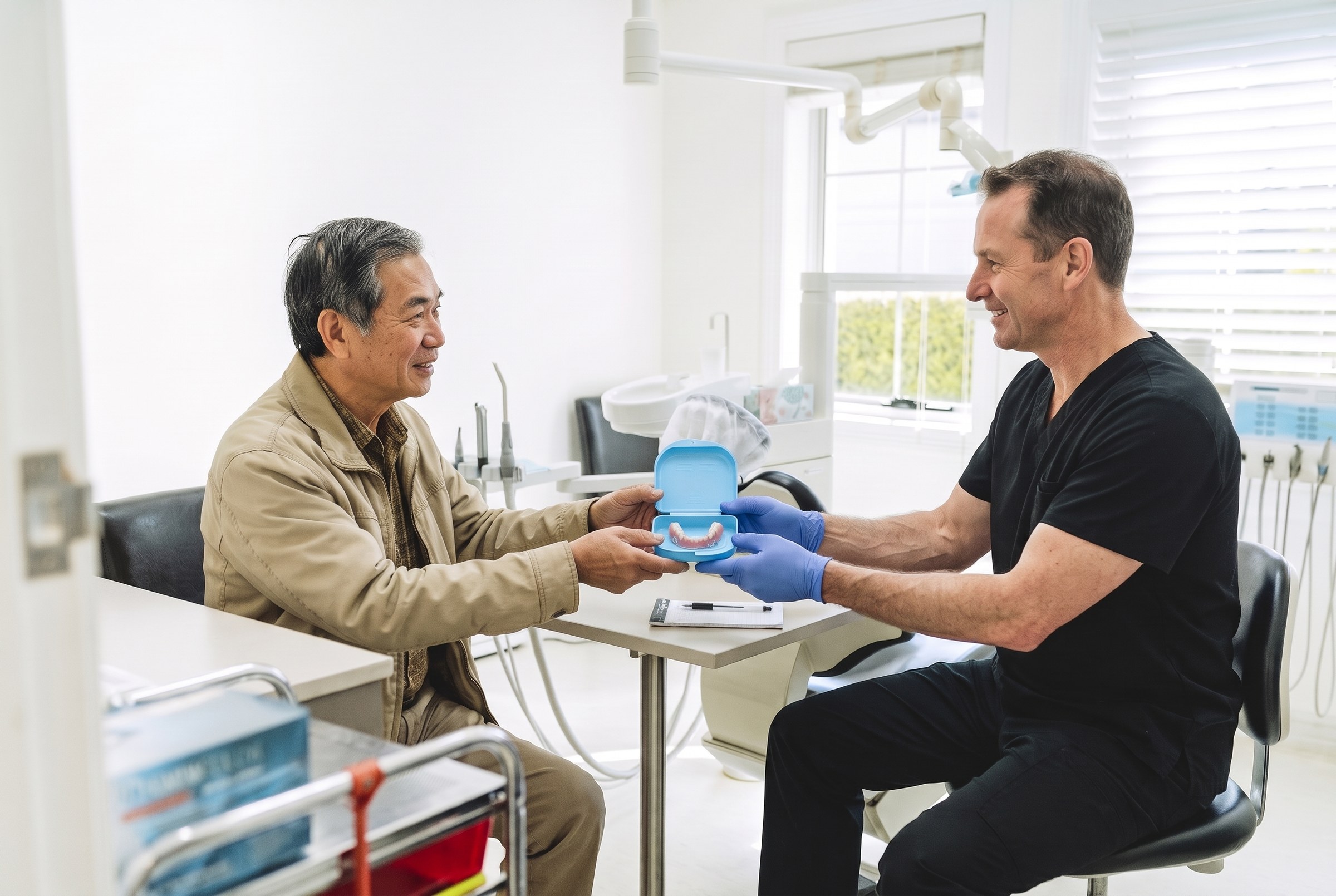
A man in his seventies handing his existing lower denture in its case to a dentist to check whether it can be converted

Your current denture

Can my existing denture be converted?

Sometimes. It depends on the denture's fit and condition, and we assess both at your consultation. A denture that fits the gums well, has its teeth in good shape and is thick enough to hold the housings can often be adapted to click onto new implants, which keeps the look you are used to and can reduce the cost.

If the denture is worn, cracked, loose or made a long time ago, a new one is usually the better choice, because the attachments only work properly on a denture that sits accurately. Either way, you will know before treatment starts. To see what the stages of implant treatment can look like, read our article on before and after dental implants.

Dr George Sakoutis, Odontologie Dental Care

Meet your implant dentist

Dr George Sakoutis

Principal Dentist · BDS (Syd)

Dr George Sakoutis earned his Bachelor of Dental Science at the University of Sydney and has practised in Lansvale since 1988, with a focus on family, cosmetic and implant dentistry.

Book a Free Consultation

Related care

Other ways to replace missing teeth

An overdenture is one route among several. These are the treatments people most often weigh up alongside it, and the dental implants page compares them all.

Good to know

Implant Supported Dentures - frequently asked

What are snap-on dentures?

They are full or partial dentures that click onto implants in the jaw. Small attachments on the implants meet housings in the underside of the denture, so it holds firm during the day and you unclip it at night for cleaning. They are also called implant retained dentures or overdentures.

How many implants do I need for a denture?

A lower denture is commonly held by two implants, sometimes four for a firmer grip. The upper jaw usually needs more, often four or more, because the bone is softer. Your OPG X-ray, CBCT scan and examination show what your jaw can support.

How much do implant-supported dentures cost?

At Odontologie, implant-supported dentures start from $15,000 per jaw, and a partial implant-supported denture from $9,000. The number of implants, whether your current denture is converted, and any grafting or sedation affect the total. Your fee is set out in writing after your free consultation.

Can my existing denture be converted?

It depends on the denture's fit and condition, which we assess at your consultation. A well-fitting denture in good repair can often be adapted to clip onto implants. A worn or loose one is usually replaced, because the attachments need a denture that sits accurately.

Snap-on dentures or All-On-4: how do they differ?

A snap-on denture is removable by you and usually needs fewer implants, so it generally costs less. An All-On-4 bridge is screwed onto four implants and stays in, so it feels more like natural teeth, but it involves more surgery and a higher fee. We compare both for your mouth at your consultation.

Who suits implant supported dentures?

They often suit people who have lost most or all of their teeth in a jaw and find a conventional denture loose, sore or hard to eat with. You need healthy gums and enough bone for the implants, though a bone graft can sometimes help. Smoking and some medical conditions affect healing, so we review your health history.

How long does treatment take?

Most people should allow several months from planning to the final fit, because the implants need time to bond with the bone before the denture is attached. Your current or a temporary denture is usually adjusted so you can wear it while you heal.

How long do implant dentures last?

With good cleaning and regular check-ups, the implants can serve for many years. The small clips wear with daily use and are replaced from time to time, and the denture may need relining or remaking as the years go by.

What are the risks?

Implant surgery can lead to swelling, bruising, infection, nerve irritation or an implant that does not bond with the bone, and the denture attachments need periodic maintenance. We go through these with you before you decide. We give every patient the same advice: "Any surgical or invasive procedure carries risks. Before proceeding, you should seek a second opinion from an appropriately qualified health practitioner." Your written plan is yours to take to another practitioner for exactly that purpose.

Do you see patients from Cabramatta and Fairfield?

Yes. We are at 329 Hume Highway, Lansvale, about 1 km from Cabramatta, with parking at the front and back. Denture and implant patients come to us from Fairfield, Canley Heights, Liverpool, Chipping Norton and across south-west Sydney.

New patients welcome

New to Odontologie?

Book our new patient offer today to receive:

  • Comprehensive Dental Examination
  • Scale, Clean and Polish
  • 2x Bitewing X-rays (if required)
  • Fluoride Treatment

*Must be quoted at the time of phone booking. If not quoted, the full fee may apply. Offer is only available with selected dentists. If booked with a non-selected dentist, a member of staff will contact you.

$249 Check-Up and Clean Select “New Patient Offer” when booking.

Still have questions?

Ready to take the next step?

Booking online takes under a minute, or give our friendly team a call - new patients are always welcome.

  • Photographs and OPG X-ray included
  • Your current denture assessed
  • A written plan with fees and timeline
  • Payment options explained
We accept all major health funds
MedibankBupaHCF
Odontologie Dental Care is part of the My Implant Dentist Group