329 Hume Hwy, Lansvale NSW 2166
Dental emergency? (02) 9725 6241 ★★★★★ 4.8 | 57 reviews
Home / Services / Gum Disease

Gum disease in Lansvale, south-west Sydney

Gum Disease Treatment in Lansvale

Healthy gums hold your teeth in place

Gum disease is an infection of the gums and the bone that supports your teeth. It usually starts quietly, with gums that bleed a little when you brush, and it is one of the most common reasons adults lose teeth. The encouraging part is that it can be found early and, at the first stage, usually turned around. At Odontologie Dental Care in Lansvale our gum disease treatment ranges from a thorough professional clean and home-care coaching for gingivitis, to deep cleaning below the gumline and regular maintenance for periodontitis, with referral to a periodontist when a case needs specialist care.

  • Gum measurements and X-rays to stage the disease accurately
  • Deep cleaning and maintenance plans in Lansvale
Odontologie Dental Care clinic

New patients welcome

New to Odontologie?

Book our new patient offer today to receive:

  • Comprehensive Dental Examination
  • Scale, Clean and Polish
  • 2x Bitewing X-rays (if required)
  • Fluoride Treatment

*Must be quoted at the time of phone booking. If not quoted, the full fee may apply. Offer is only available with selected dentists. If booked with a non-selected dentist, a member of staff will contact you.

$249 Check-Up and Clean Select “New Patient Offer” when booking.
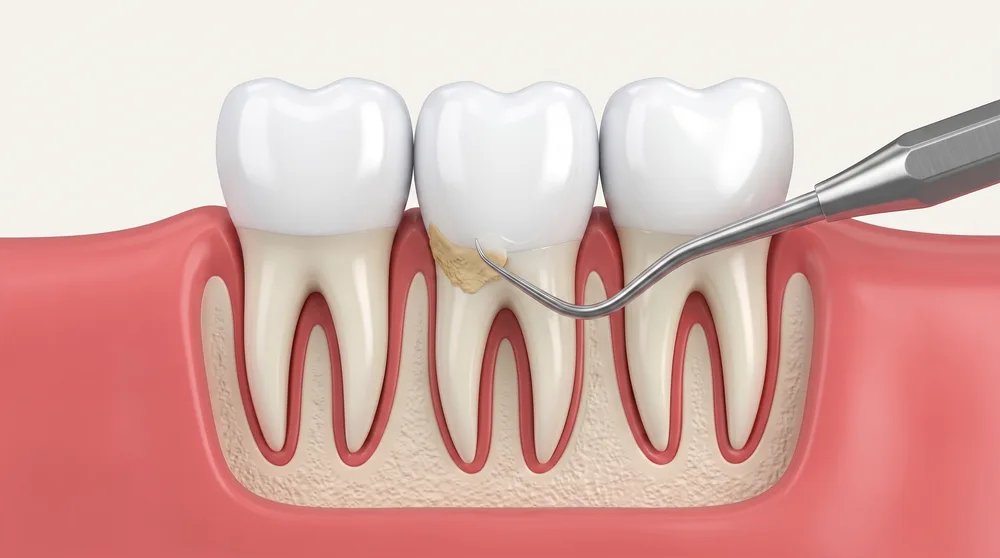
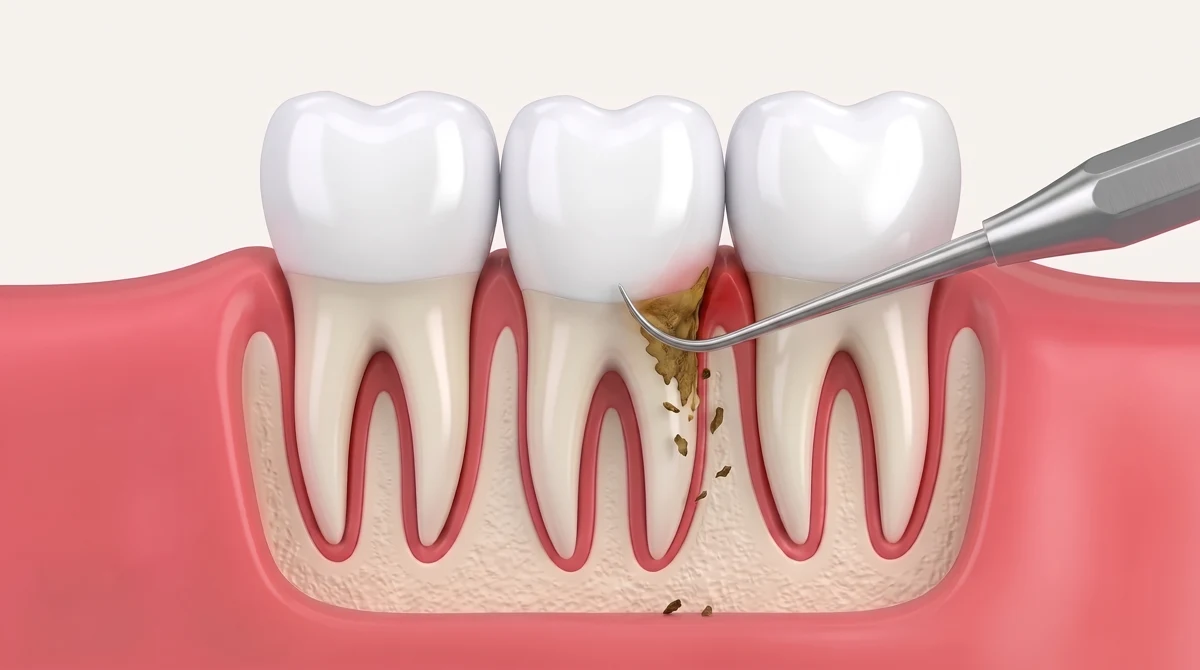
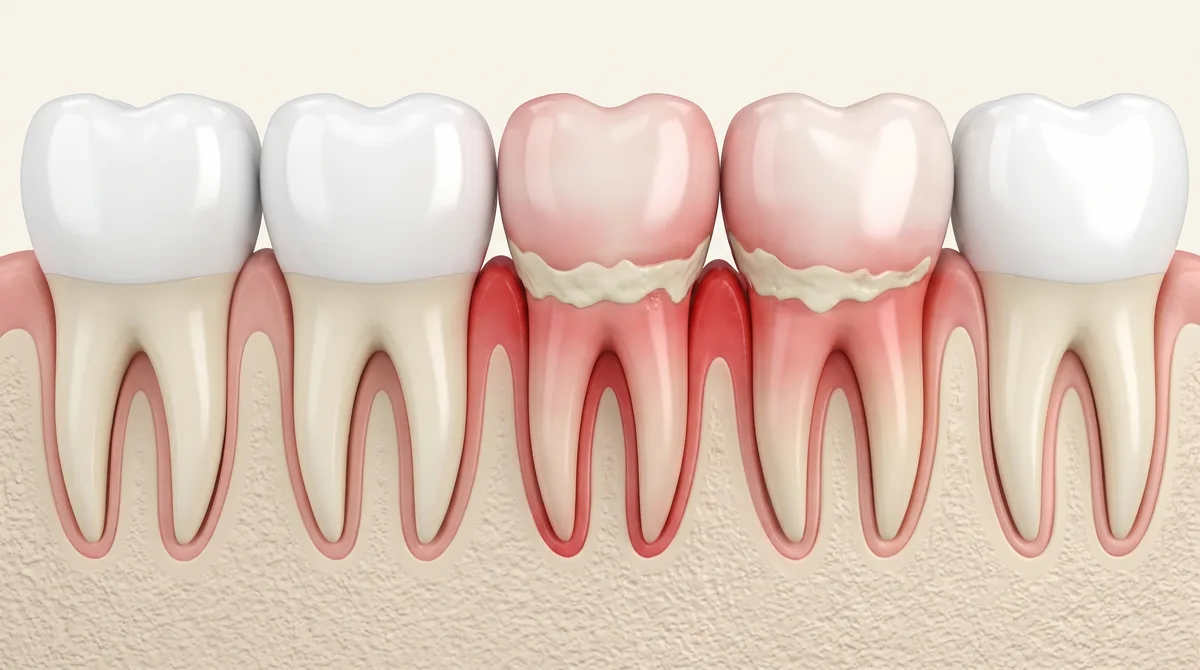
Diagram comparing healthy gums with inflamed, receding gums and plaque build-up along the gumline

Know the signs

What are the signs of gum disease?

Gum disease often causes no pain at all, so it is easy to miss. Signs to look out for include:

  • Bleeding gums when you brush or floss, or blood when you spit
  • Red, puffy or tender gums instead of firm, pale pink ones
  • Bad breath or a bad taste that keeps coming back
  • Gums pulling back so teeth look longer, or new gaps appearing between teeth
  • Teeth that feel loose, move, or no longer meet the way they did
  • Pus around the gumline or a gum swelling

Bleeding is not normal, even though it is common. If your gums bleed regularly, it is a sign to book a check rather than to brush more gently.
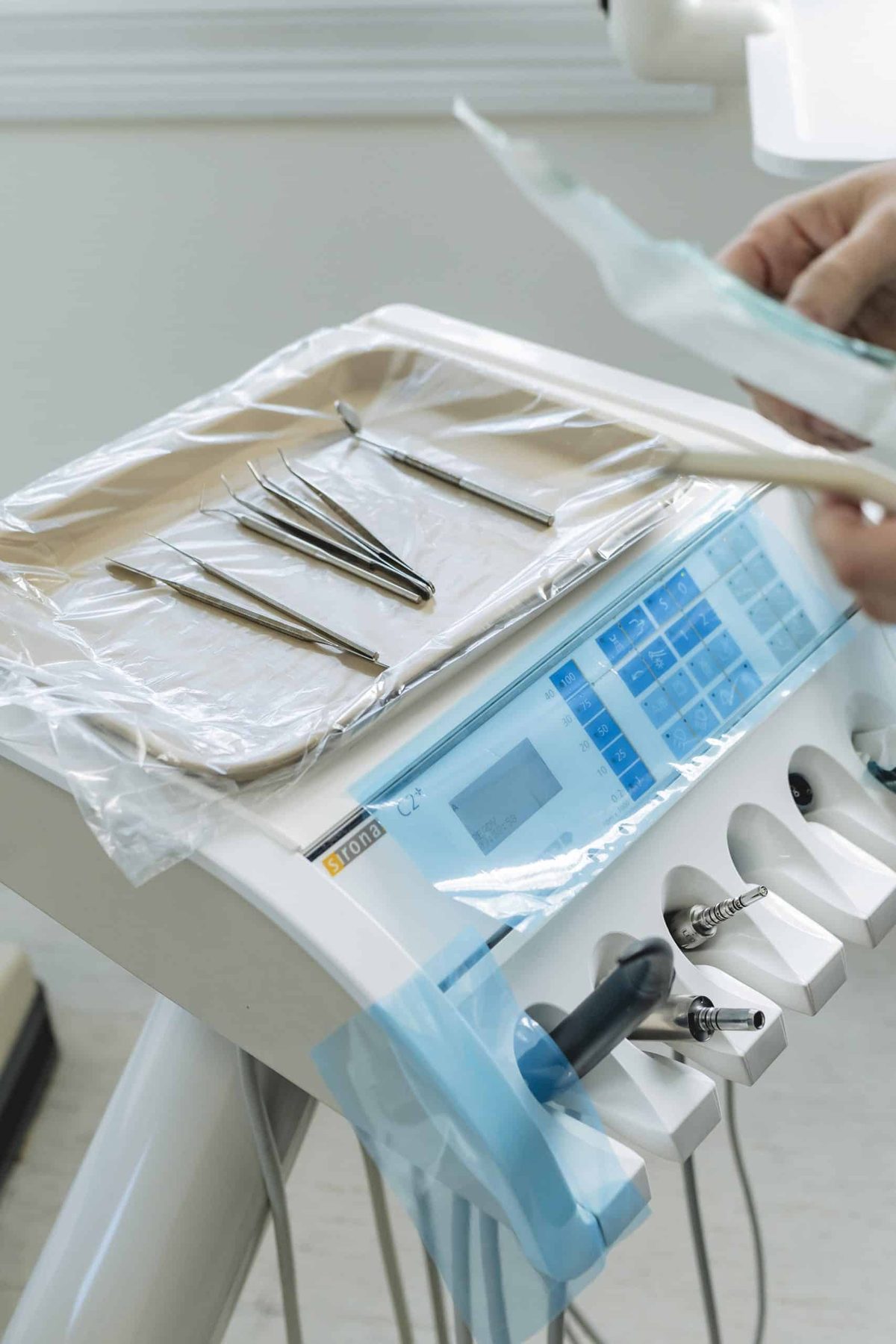
Sterile dental instruments laid out on a tray in a treatment room at Odontologie Dental Care

How it progresses

From gingivitis to periodontitis

Gingivitis is the early stage. Plaque sitting along the gumline irritates the gums, which become red and bleed easily. The bone has not been affected yet, so with a professional clean and better daily cleaning, gingivitis can usually be reversed.

Periodontitis develops when gingivitis is left alone. Plaque hardens into tartar below the gums, pockets form between the gum and tooth, and the bone holding the teeth slowly breaks down. Bone that has been lost does not grow back on its own, but treatment can stop the disease progressing and help you keep your teeth.

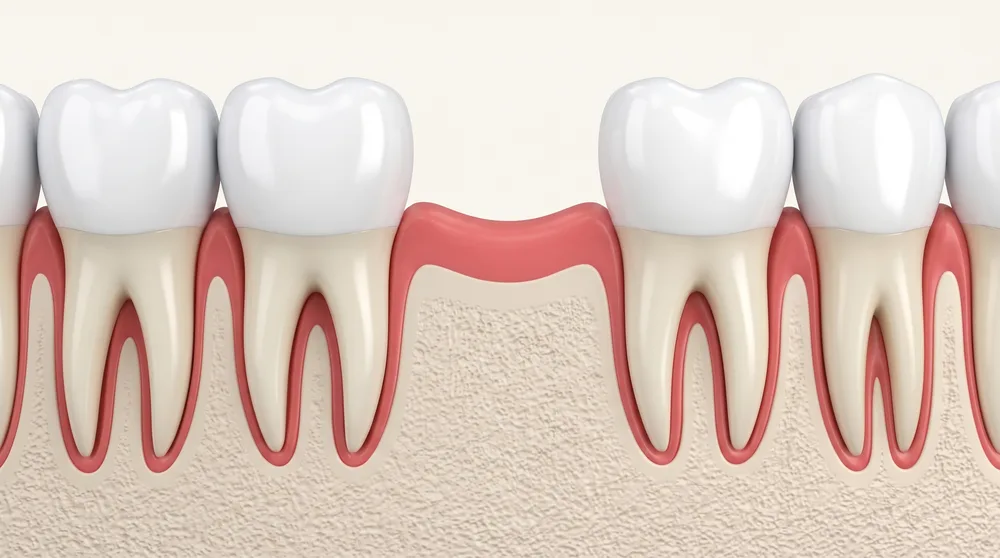
Advanced periodontitis is when so much support is lost that teeth loosen, shift or need to be removed.

Smoking, diabetes, some medicines that dry the mouth, pregnancy, stress and family history all raise the risk, and gum disease has been linked with wider health problems such as heart disease and diabetes control.

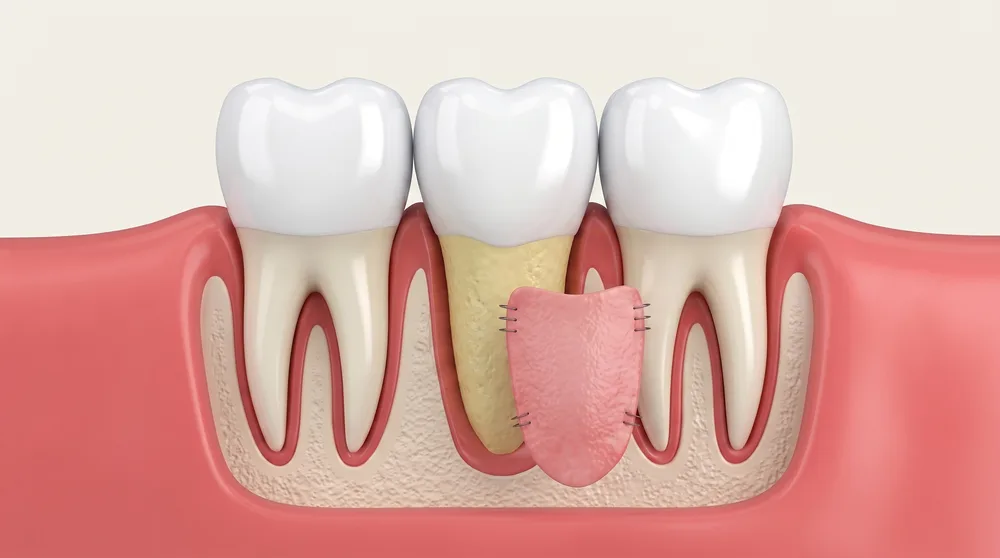
Illustration of gum recession exposing the root of a tooth and a gum graft covering it

A common gap

Gum recession: why gums pull back and what helps

Gum recession is when the gum edge moves down the tooth, exposing the root. Teeth can look longer, feel sensitive to cold, and the exposed root is softer and more prone to decay.

Common causes include gum disease, brushing too hard or with a hard brush, grinding, a thin natural gum type, tooth position, lip or tongue piercings and orthodontic movement.

What helps depends on the cause and how much has receded:

  • Stopping the cause: treating gum disease, switching to a soft brush and a gentler technique, and a night guard if you grind.
  • Protecting the root: desensitising products, fluoride and, where needed, a tooth-coloured filling over a sensitive or notched root.
  • Monitoring: measuring the gums at each visit to make sure it is not progressing.
  • Specialist care: for significant recession, a periodontist can assess whether gum grafting is suitable, and we can refer you.

Related care

Gum disease treatment at Odontologie

Treatment depends on the stage. These are the steps our Lansvale dentists use to get gum disease under control and keep it there.

Good to know

Gum Disease - frequently asked

Can gum disease be reversed?

Gingivitis, the early stage, can usually be reversed with a professional clean and good daily brushing and cleaning between the teeth. Periodontitis cannot be fully reversed because lost bone does not regrow by itself, but treatment can stop it progressing and help you keep your teeth.

How much does gum disease treatment cost?

It depends on the stage. Treatment for early-stage gum disease starts from $250, and deep cleaning for periodontitis over several visits costs more. After measuring your gums and taking X-rays we give you a written estimate for each stage, and your health fund may contribute depending on your cover.

What is a deep dental clean?

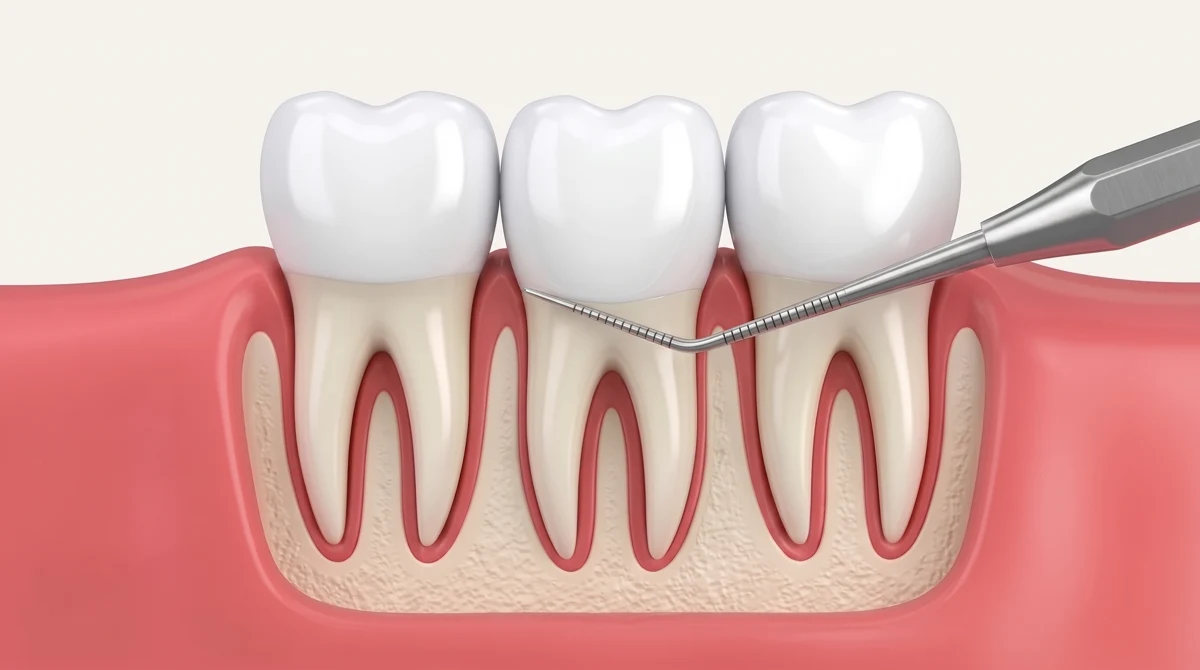
A deep clean, also called root planing or periodontal debridement, cleans the root surfaces below the gumline where a normal clean cannot reach. It is done with local anaesthetic so you are comfortable, and is usually split into two or more visits.

Does gum disease cause tooth loss?

It can. Periodontitis destroys the bone and fibres that hold teeth in place, and without treatment teeth can loosen and eventually be lost. It is one of the main causes of tooth loss in adults, which is why early treatment matters.

Why do my gums bleed when I brush?

Bleeding gums are most often a sign of gingivitis caused by plaque along the gumline. Keep brushing gently and cleaning between your teeth, and book a check. Less often, bleeding is linked to medicines or general health, which we can talk through with you.

When would I be referred to a periodontist?

We refer to a periodontist, a registered specialist in gums, when the disease is advanced, is not responding to treatment, or when surgery such as gum grafting may be needed. We send a summary of our findings so your care continues smoothly.

Your next step

Bleeding or receding gums?

The sooner gum disease is treated, the more gum and bone you keep. At your visit we chart the depth of the pockets around each tooth, X-ray the supporting bone, tell you plainly what stage you are at, and set out a written plan with costs before anything begins.

  • Care for gingivitis and periodontitis
  • Gum measurements and X-rays
  • Deep cleaning and maintenance visits
  • Friendly, judgement-free advice
We accept all major health funds
MedibankBupaHCF
Odontologie Dental Care is part of the My Implant Dentist Group