329 Hume Hwy, Lansvale NSW 2166
Dental emergency? (02) 9725 6241 ★★★★★ 4.8 | 57 reviews
Home / Services / Sleep Apnoea

Sleep apnoea and snoring care in Lansvale

Sleep Apnoea
and Snoring

A custom oral appliance for quieter nights

Snoring and broken sleep wear down the person snoring and anyone sharing the room. Odontologie Dental Care in Lansvale offers sleep apnoea treatment support with a custom oral appliance, a slim splint worn at night that holds the lower jaw slightly forward to help keep the airway open. Sleep apnoea is a medical condition, so it is diagnosed by your GP or a sleep physician, usually with a sleep study. Our role is the dental side: checking your teeth and jaw, making and fitting the appliance, and reviewing it with you over time.

  • Custom mandibular advancement splints made for your bite
  • Made after a medical diagnosis, working with your GP or sleep physician
  • A quiet, portable option for people who struggle with CPAP
Odontologie Dental Care clinic
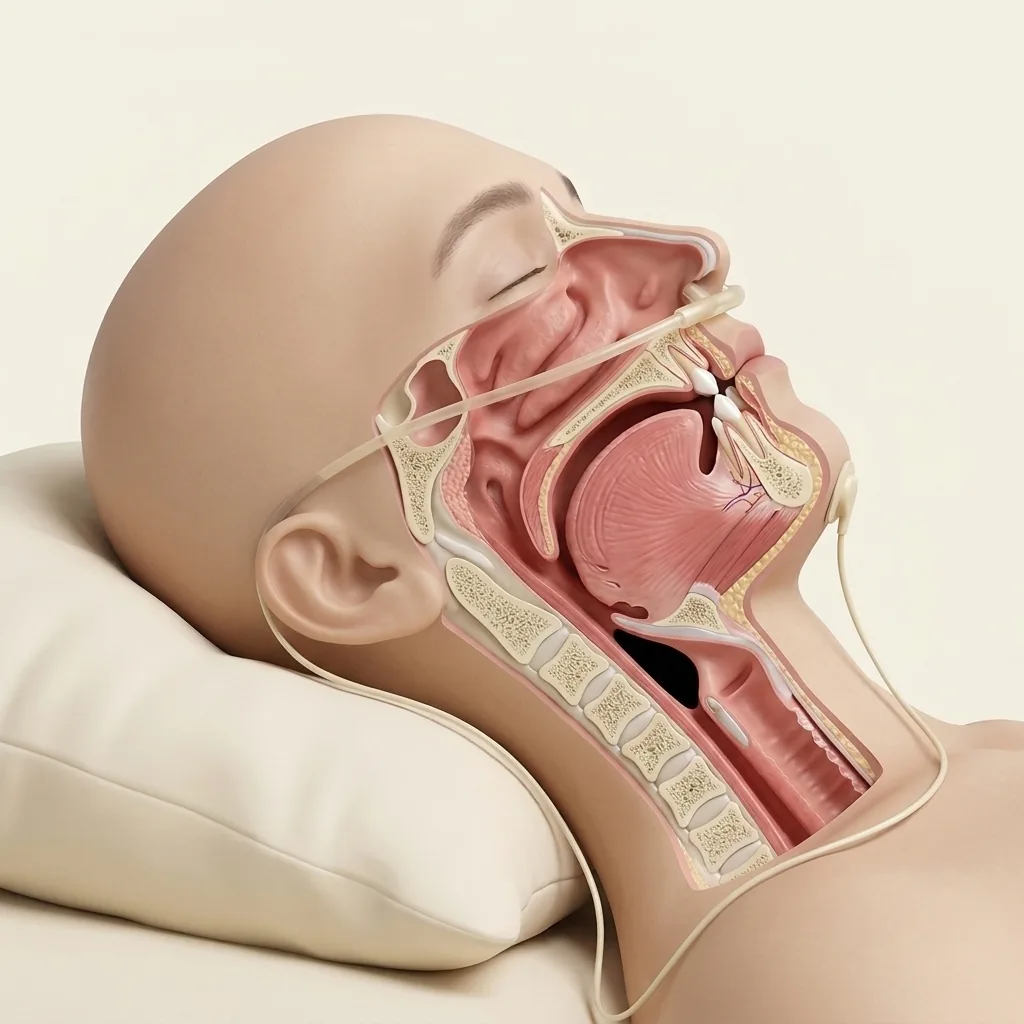
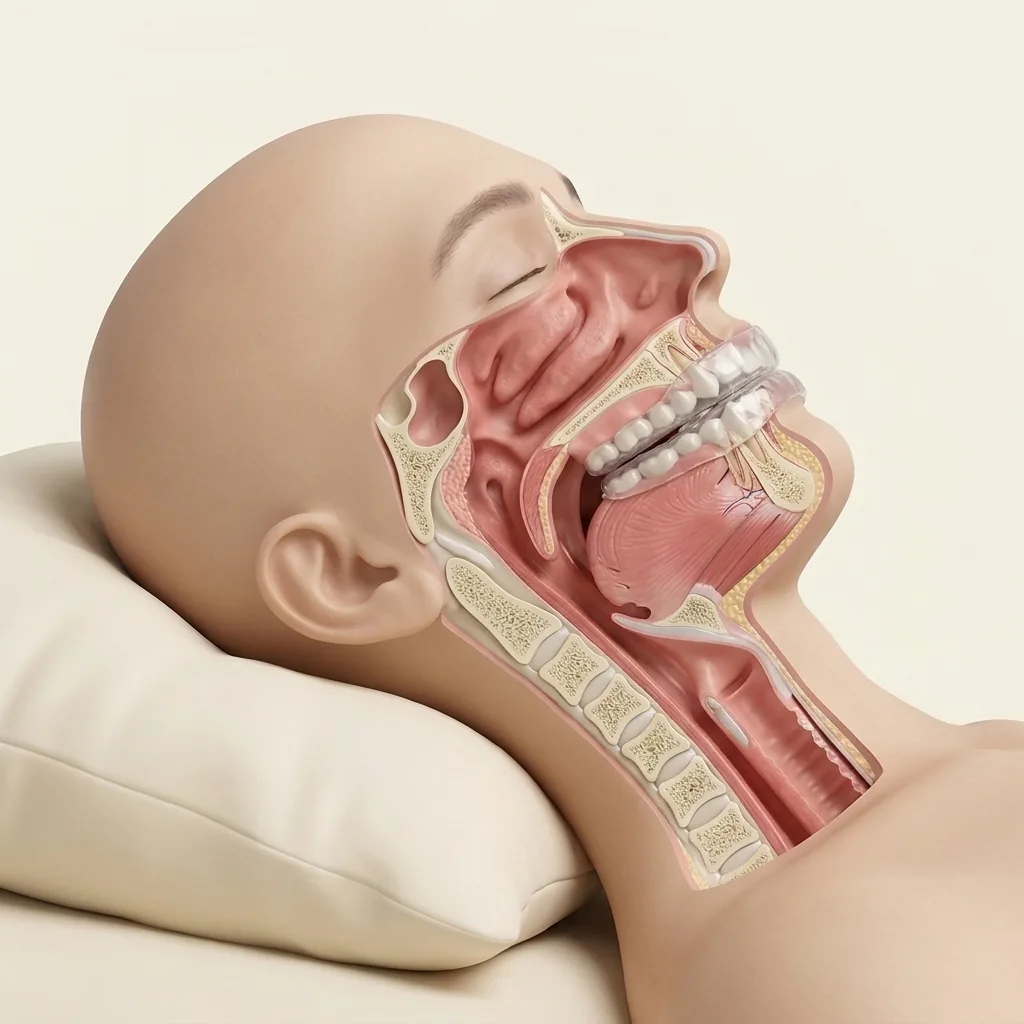
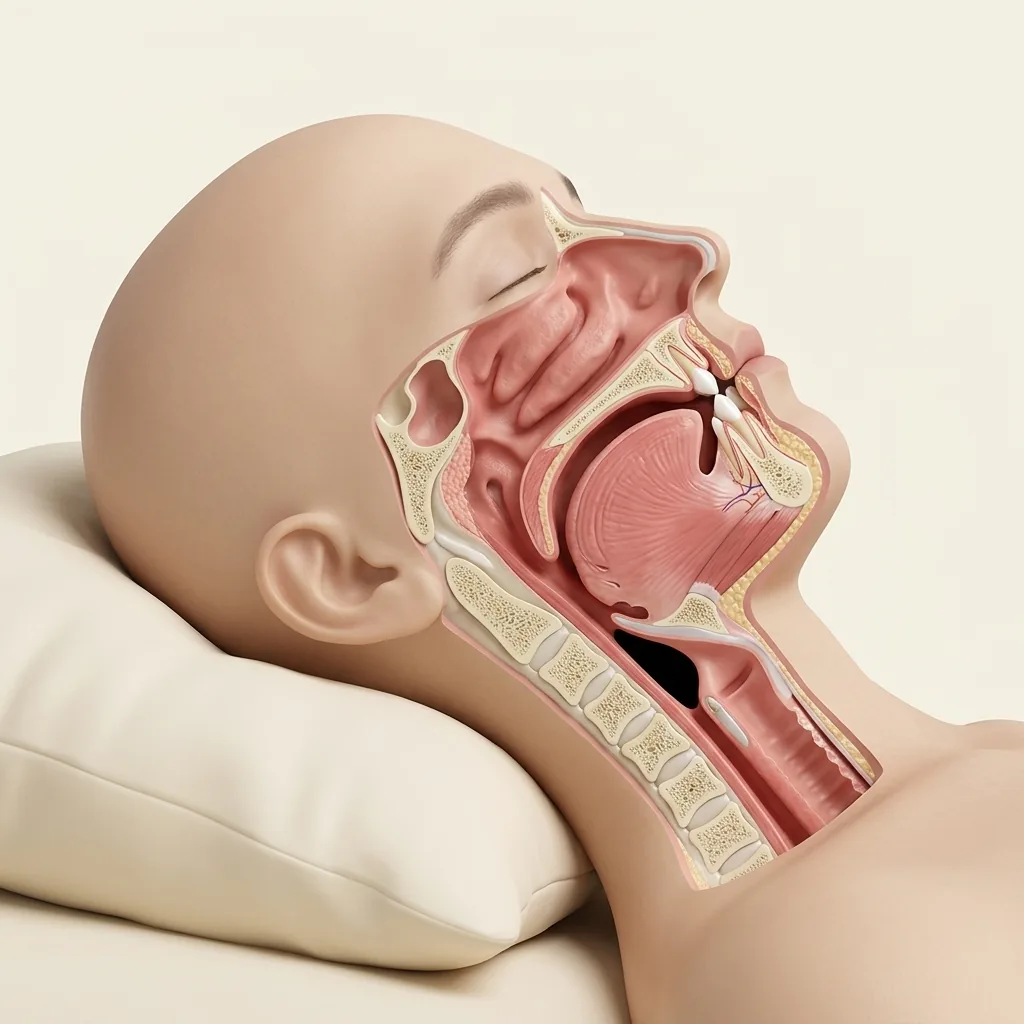
Cross-section of a sleeping head showing the tongue and soft palate falling back and narrowing the airway

The basics

Snoring, obstructive sleep apnoea and your airway

When you fall asleep, the muscles in your throat relax. In some people the tongue and soft palate drop back far enough to narrow the airway, and the tissue vibrates as air squeezes past. That vibration is snoring.

In obstructive sleep apnoea, the airway narrows so much that breathing slows or stops for a few seconds at a time, often many times an hour. Each pause briefly lowers oxygen levels and jolts the brain out of deep sleep, usually without you knowing. Over months and years, untreated sleep apnoea is linked with high blood pressure, heart problems, type 2 diabetes and a higher risk of accidents from daytime tiredness.

There are other, less common forms, such as central sleep apnoea, where the brain does not send the signal to breathe. An oral appliance only helps with the obstructive kind, which is another reason a proper diagnosis comes first.
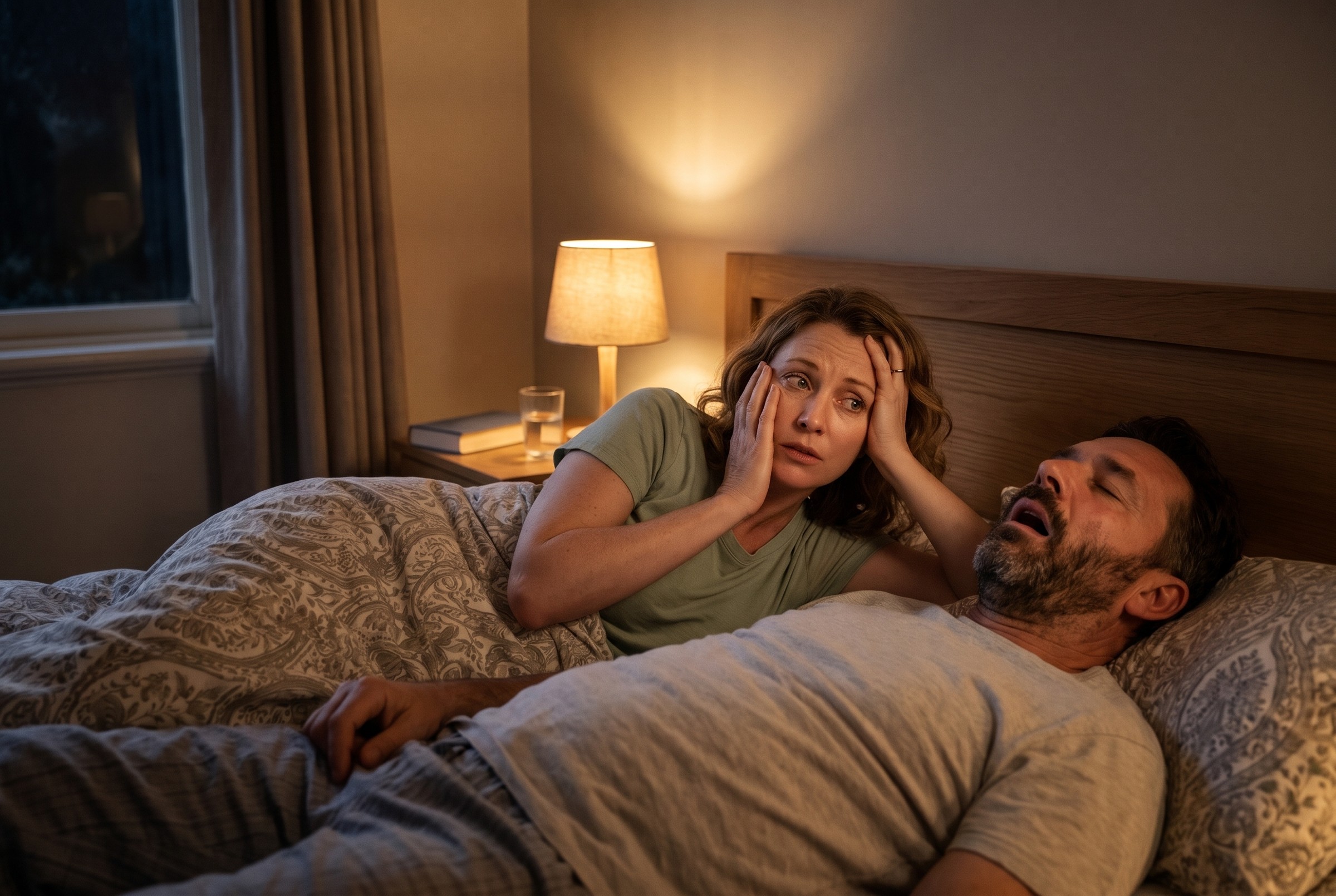
A woman lies awake at night while her husband snores beside her

Warning signs

Symptoms worth raising with your doctor

Talk to your GP, or mention it to us at your next check-up, if several of these sound familiar:

  • Loud snoring most nights
  • A partner noticing you stop breathing, gasp or choke in your sleep
  • Waking unrefreshed, or nodding off during the day or while driving
  • Morning headaches or a very dry mouth on waking
  • Trouble concentrating, irritability or low mood
  • Getting up often during the night to use the bathroom

Dentists sometimes notice clues during a routine visit too, such as worn teeth from grinding, a scalloped tongue or a set-back lower jaw. If we see them, we will suggest you speak with your GP about a sleep assessment. We do not diagnose sleep apnoea ourselves.

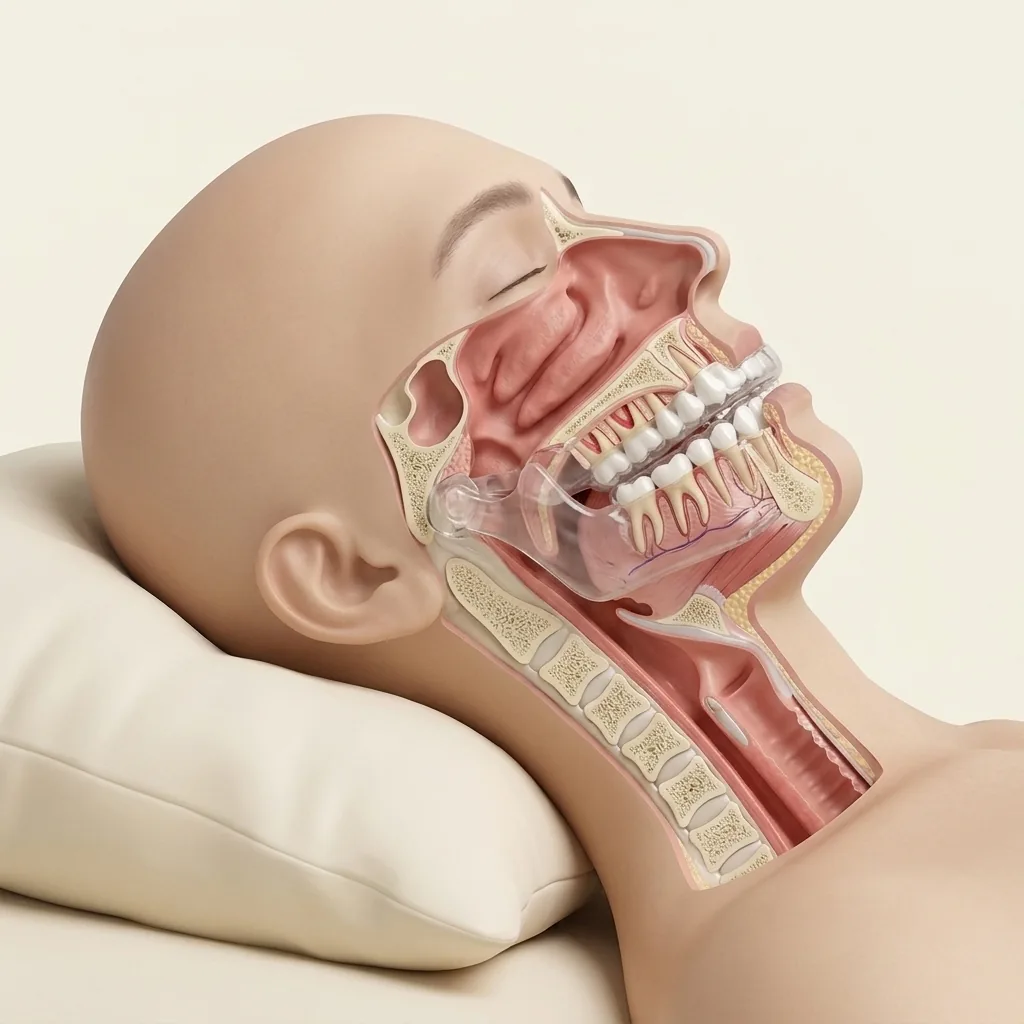
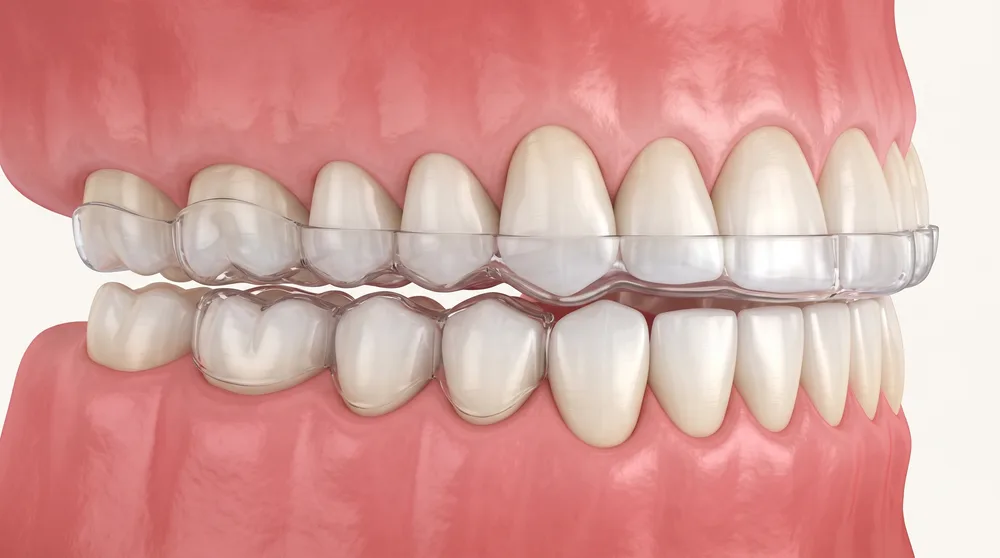
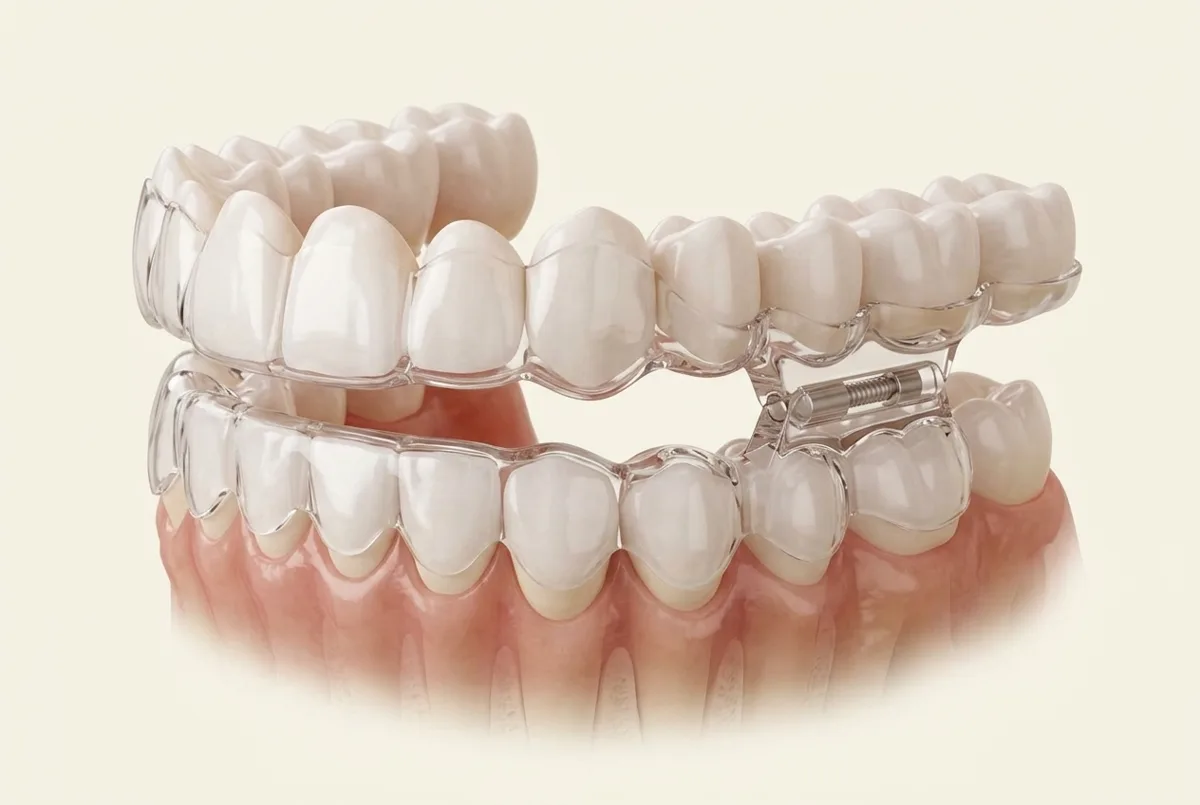
Render of a clear custom mandibular advancement splint fitted over the upper and lower teeth

How it works

How a sleep apnoea mouthguard works

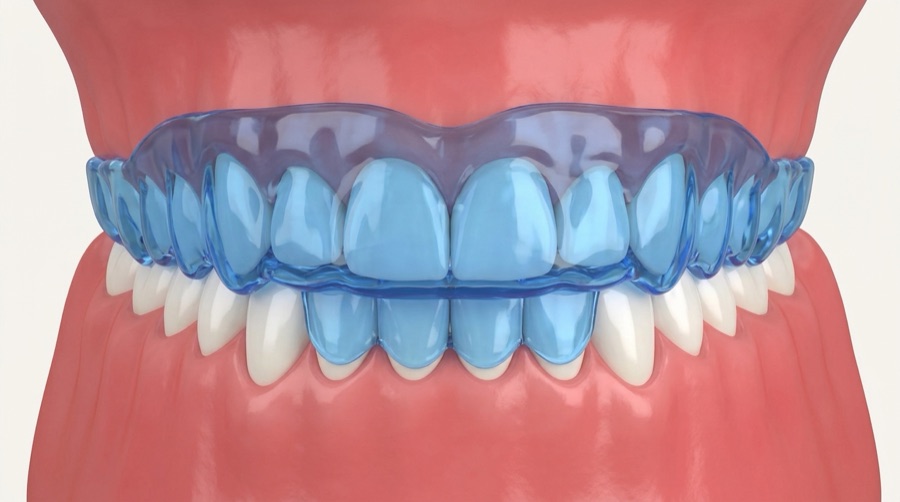
The device is called a mandibular advancement splint, or oral appliance. It looks like two slim mouthguards joined together, one over the upper teeth and one over the lower. Together they ease the lower jaw a few millimetres forward while you sleep, which brings the tongue forward and gives the airway more room.

Because it is built from impressions or a scan of your own teeth, it fits closely and stays put through the night. It is silent, needs no power and fits in a small case for travel. Oral appliances are a recognised option for primary snoring and for mild to moderate obstructive sleep apnoea, and for some people with more severe sleep apnoea who cannot tolerate CPAP, when their sleep physician agrees. A chemist-shelf snoring guard is not the same thing and is not suitable for treating sleep apnoea.

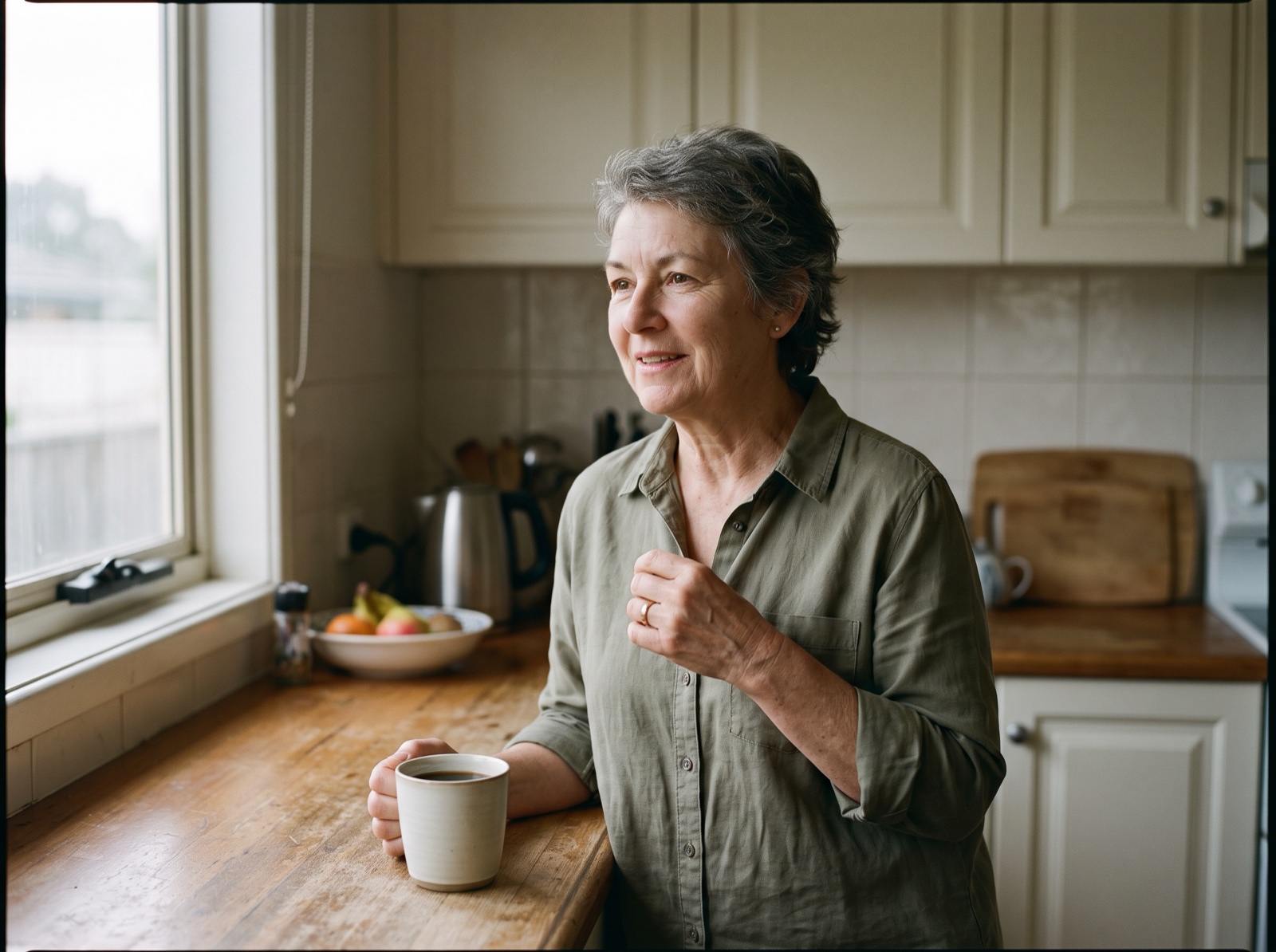
A rested woman drinking coffee by a sunny kitchen window in the morning

Working together

Where an oral appliance fits with other treatment

The right treatment depends on your diagnosis and how severe it is, and it is decided with your doctor.

CPAP. A mask connected to a small pump keeps the airway open with gentle air pressure. It is the standard treatment for moderate to severe sleep apnoea. If CPAP works for you, keep using it.

Oral appliance. A quieter, more portable option for snoring and mild to moderate obstructive sleep apnoea, or for people who have tried CPAP and cannot get on with it.

Lifestyle changes. Losing weight, cutting back alcohol in the evening, stopping smoking and sleeping on your side can all reduce snoring and sleep apnoea alongside other treatment.

After your appliance is fitted, your doctor may arrange a follow-up sleep study to check how well it is working. We keep in touch with your GP or sleep physician so everyone is working from the same information.

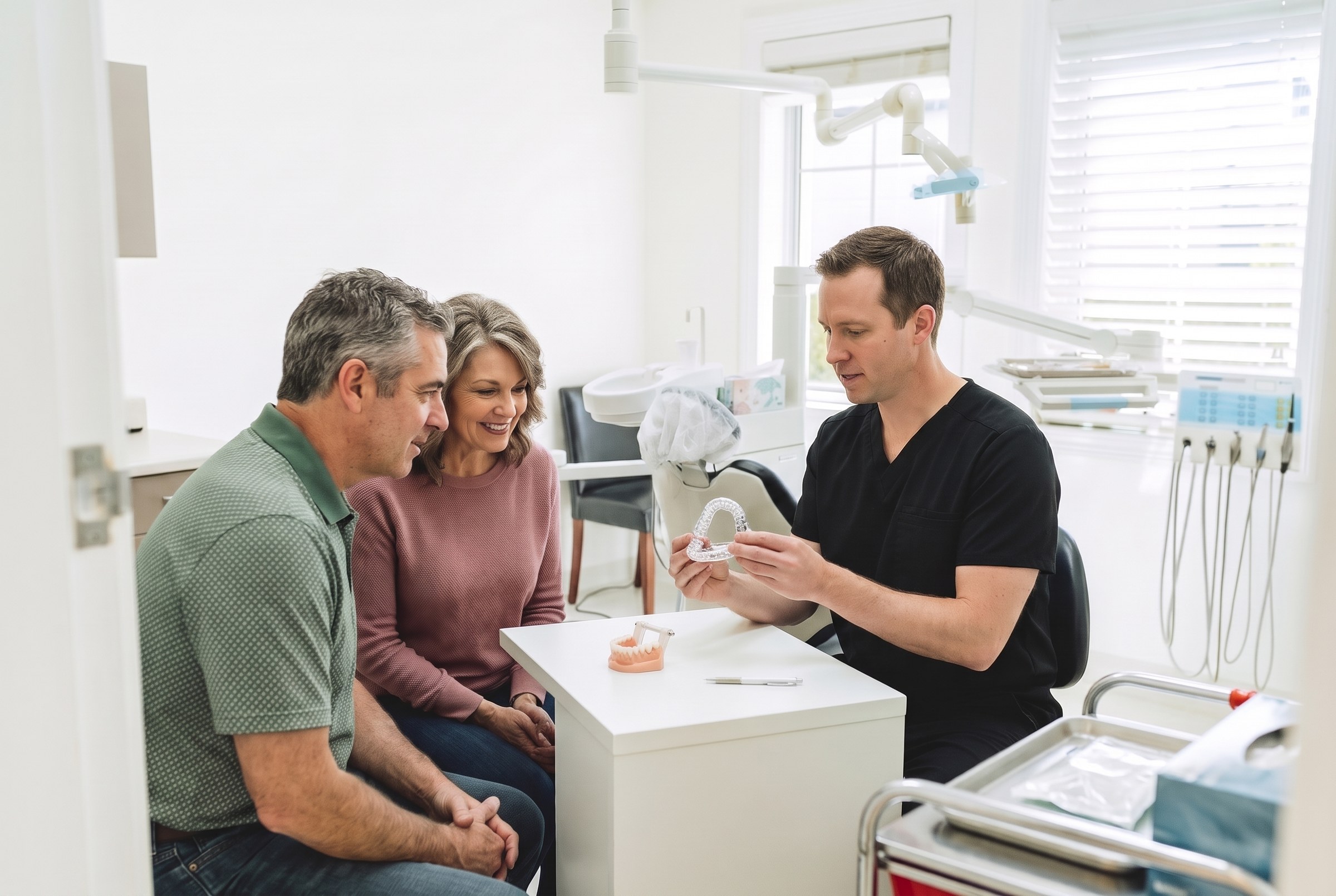
A dentist shows a couple a clear oral appliance for snoring and sleep apnoea

Book a consultation

Talk to our Lansvale team about your sleep

Whether you already have a sleep study report or have only just started wondering about your snoring, book a consultation. If you have not been assessed yet, we will explain how to arrange a sleep study through your GP, because a medical diagnosis always comes before a sleep appliance.

Odontologie is at 329 Hume Highway, Lansvale, open weekdays until 6pm and Saturday mornings. We see patients from Cabramatta, Canley Heights, Chipping Norton, Wetherill Park and Liverpool. Call (02) 9725 6241 or book online.

How it works

From first visit to a quieter night

Getting a sleep apnoea appliance usually takes a few weeks from your first appointment to fitting, then a period of fine-tuning.

Side cross-section of a sleeping head showing the airway narrowing behind the tongue
01

Consultation and dental check

We talk about your sleep and your medical history, check your teeth, gums and jaw joints, and confirm an oral appliance is suitable for your mouth.

Cross-section of a sleeping head wearing sleep study sensors, with the airway narrowed behind the tongue
02

Medical diagnosis

If you have not had one, your GP or sleep physician arranges a sleep study. Their diagnosis and recommendation guide whether an appliance is the right treatment.

Cross-section of a sleeping head with a clear custom oral appliance fitted over the teeth
03

Impressions and fitting

We take impressions or a scan of your teeth and have your appliance made. At the fitting we adjust it for comfort and show you how to wear and clean it.

Cross-section showing the oral appliance holding the lower jaw forward and the airway open during sleep
04

Review and adjustment

Over the following weeks we gradually adjust the jaw position and check your bite. Your doctor may repeat the sleep study to confirm how well it is working.

Related care

Related care at Odontologie

Night-time habits often affect the teeth as well as sleep. These treatments are closely linked.

New patients welcome

New to Odontologie?

Book our new patient offer today to receive:

  • Comprehensive Dental Examination
  • Scale, Clean and Polish
  • 2x Bitewing X-rays (if required)
  • Fluoride Treatment

*Must be quoted at the time of phone booking. If not quoted, the full fee may apply. Offer is only available with selected dentists. If booked with a non-selected dentist, a member of staff will contact you.

$249 Check-Up and Clean Select “New Patient Offer” when booking.

Good to know

Sleep Apnoea - frequently asked

Can a dentist treat sleep apnoea?

A dentist can make and manage an oral appliance for snoring and mild to moderate obstructive sleep apnoea, but the condition itself is diagnosed by a doctor, usually after a sleep study. At Odontologie we work alongside your GP or sleep physician rather than instead of them.

How does a sleep apnoea mouthguard work?

It holds your lower jaw slightly forward while you sleep. That brings the tongue and soft tissues forward and helps stop them collapsing into the airway, which reduces snoring and breathing pauses for many people.

Do I need a sleep study first?

For sleep apnoea, yes. A sleep study tells your doctor whether you have sleep apnoea, which type and how severe it is, and that decides whether an oral appliance is appropriate. For simple snoring, your GP may still want to rule out sleep apnoea first.

How much does a sleep apnoea appliance cost?

Oral appliances at Odontologie start from $1,800, depending on the device and the number of review visits. We confirm the cost in writing after your consultation.

Is a snoring device covered by my health fund?

Some extras policies pay a rebate for oral appliances, often under major dental. Ask your fund about your level of cover with the item numbers from your written quote. We accept all major health funds.

How long does it take to make the device?

After your impressions or scan, the appliance is usually ready to fit within a few weeks. Adjusting it to the most effective jaw position takes a few more weeks of short review visits.

Will the appliance be uncomfortable?

Most people take a week or two to get used to it. Some jaw stiffness or extra saliva in the morning is common at first and usually settles. Tell us if it persists, because the fit and jaw position can be adjusted.

Your next step

Ready to sleep more quietly?

Whether you snore, have a sleep apnoea diagnosis or have given up on CPAP, our Lansvale team can talk you through whether a custom oral appliance could suit you.

  • Appliances made from impressions of your own teeth
  • Care coordinated with your GP and sleep physician
  • Review visits to fine-tune the fit
  • Oral appliances from $1,800
We accept all major health funds
MedibankBupaHCF
Odontologie Dental Care is part of the My Implant Dentist Group