

329 Hume Hwy, Lansvale NSW 2166
Dental emergency? (02) 9725 6241 ★★★★★ 4.8 | 57 reviews
Home / Services / Tooth Extraction

Tooth extraction in Lansvale

Tooth Extraction
Lansvale

When a tooth has to come out, we take it slowly

A tooth extraction is sometimes the kindest option for a tooth that is badly broken, deeply decayed or infected. At Odontologie Dental Care in Lansvale we look at whether the tooth can be saved first, explain plainly if it cannot, and remove it gently under local anaesthetic. Extractions start from $300, IV sedation is available for nervous patients, and we talk through replacing the tooth before you leave.

  • Urgent toothache appointments prioritised, Monday to Saturday
  • Simple and surgical extractions, with IV sedation available
  • X-rays and OPG scans taken in the practice
Odontologie Dental Care clinic

In pain? Act now

Painful tooth? Call Odontologie today

Phone (02) 9725 6241 and we will find you the soonest time. Your dentist checks whether the tooth can be saved, and if it has to come out, removes it gently and explains how to replace it.

  • We look at saving the tooth first
  • Local anaesthetic, with IV sedation available
  • Extractions from $300
  • All major health funds accepted

Transparent pricing

Tooth extraction cost in Lansvale

TreatmentGuide
Tooth extractionFrom $300

The final cost depends on how the tooth sits, whether it needs a surgical approach and whether you choose IV sedation. Your dentist gives you a written estimate after the examination and X-ray, and our post on the cost of teeth removal in Australia explains what changes the price. We accept all major health funds.

You can spread the cost with humm or Afterpay, subject to approval, which helps with larger plans such as an extraction followed by an implant.

hummAfterpay
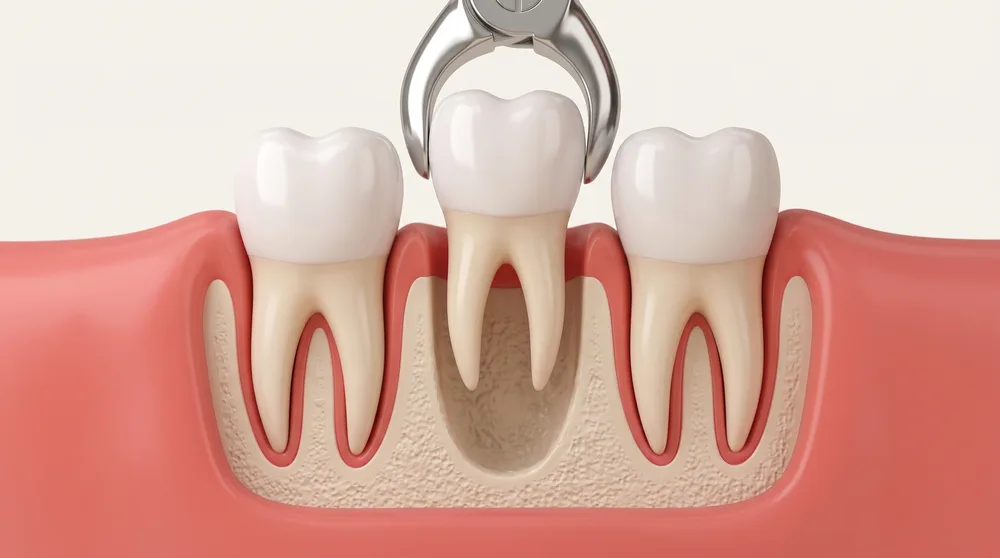
Illustration of a damaged molar being lifted from its socket between two healthy teeth

Why teeth are removed

When is a tooth extraction needed?

Our dentists would always rather keep a natural tooth, and options like a filling, crown or root canal treatment come first. Removal becomes the better choice when:

  • Decay has destroyed so much of the tooth that it cannot be rebuilt
  • An infected tooth keeps flaring up, or the infection is spreading
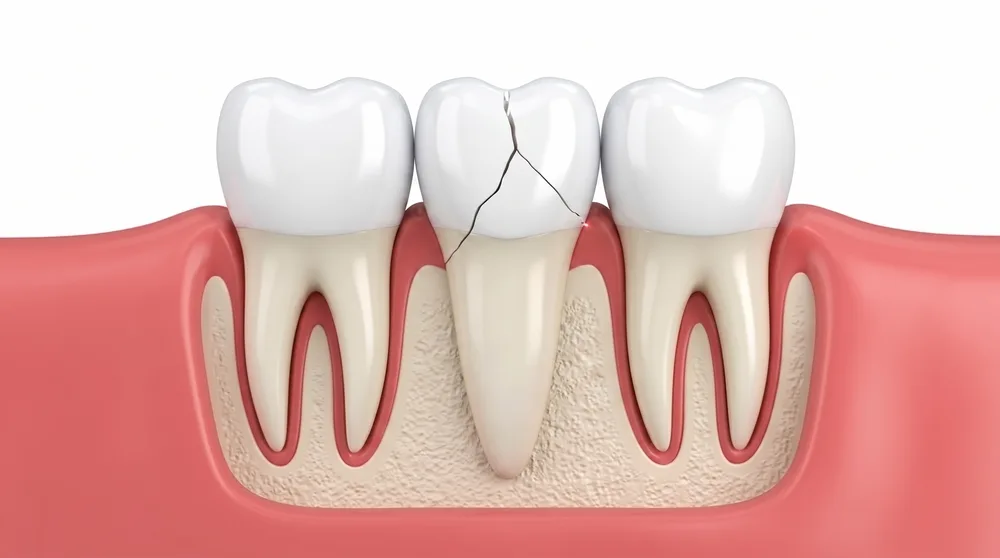
  • The tooth has split below the gum line after a crack or a knock
  • Advanced gum disease has left the tooth loose in the bone
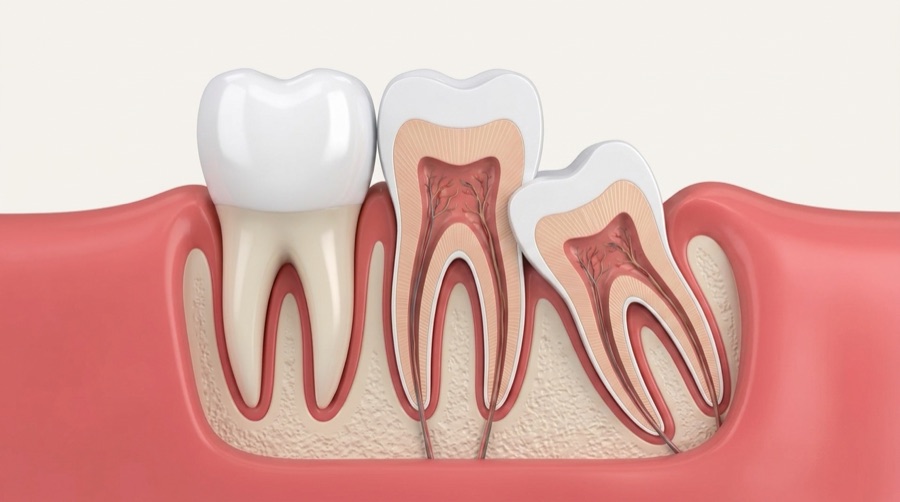
  • A wisdom tooth is stuck, partly through or damaging its neighbour
  • Teeth need to make room before orthodontic treatment

We take an X-ray or OPG on site to see the roots and the bone around them, then explain why we recommend removal and what the alternatives are. You will never be rushed into a decision.


A dentist uses a clear jaw model to show a patient the roots of a back tooth

Simple or surgical

The two kinds of extraction

Simple extraction. When the whole tooth is visible above the gum, your dentist loosens it gently and lifts it out once the area is fully numb. You feel pressure, but you should not feel sharp pain. Most simple extractions take well under half an hour.

Surgical extraction. A tooth that has broken at the gum line, has curved roots or has not come through, such as an impacted wisdom tooth, needs a small opening in the gum. Sometimes the tooth is divided into pieces so it can come out with less force, and a couple of stitches close the site. Dr Dennis Lam has a particular interest in oral surgery, and our team includes dental surgeon Dr Cameron Ma.

Removing several teeth at once is also possible. Our post on getting six teeth pulled at once explains how that is planned.

A dentist in black scrubs sitting beside a patient in the treatment chair, talking through his sedation options

Nervous patients

IV sedation for anxious patients

If the thought of an extraction makes your heart race, you are in good company. Tell us when you book. For longer or more involved extractions, IV sedation lets you rest in a deeply relaxed state while the work is done, and many people remember little of the appointment afterwards.

You will need someone to drive you home and stay with you for the rest of the day, and we give you fasting and medication instructions beforehand. Your dentist will talk through whether sedation suits your health before booking it.

A woman resting at home on her couch with a cup of tea while she recovers from a tooth extraction

Recovery

Healing well after an extraction

A blood clot forms in the socket within the first hour and protects the bone while the gum heals. For the first day, rest, bite on the gauze we give you, avoid hot drinks and do not rinse hard, smoke or drink through a straw. Soft, cool food such as yoghurt, soup and scrambled eggs is easiest. Most soreness settles within a few days.

We have written about this in more depth: what to expect for pain relief after an extraction, which side effects are normal, and how long extractions take. If pain gets worse after the third day, or you notice swelling, fever or a bad taste, call us.

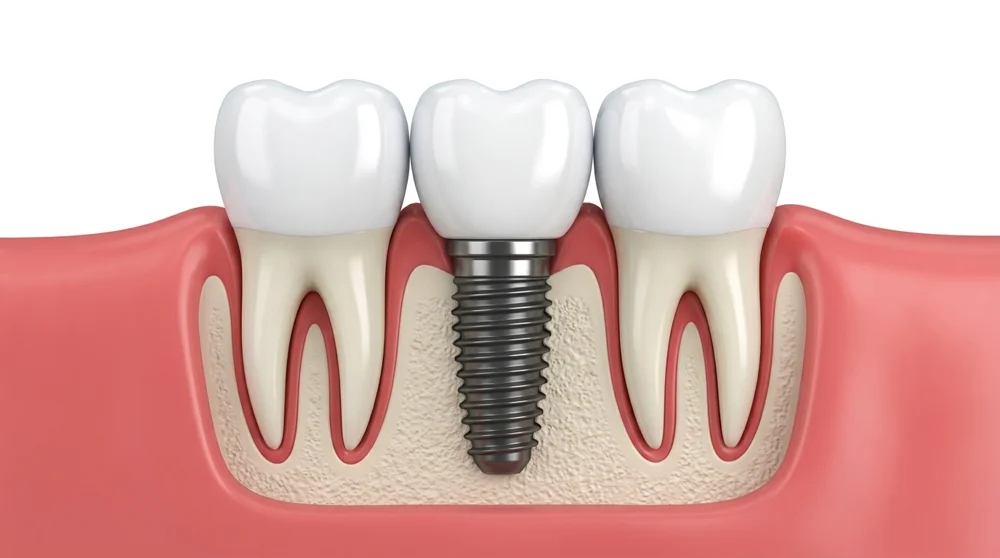
Illustration of a dental implant post in the jawbone holding a crown between two natural teeth

Afterwards

Replacing the gap

A gap left open lets nearby teeth tilt and the bone shrink over time. Before your extraction we explain the ways to fill it: a dental implant, a bridge or a partial denture. If you are thinking about an implant, our guide to the extraction to implant timeline shows how the steps fit together.

Any surgical or invasive procedure carries risks. Before proceeding, you should seek a second opinion from an appropriately qualified health practitioner.

How it works

Your tooth extraction, step by step

Most extractions follow the same four stages, from the first look to the follow-up check.

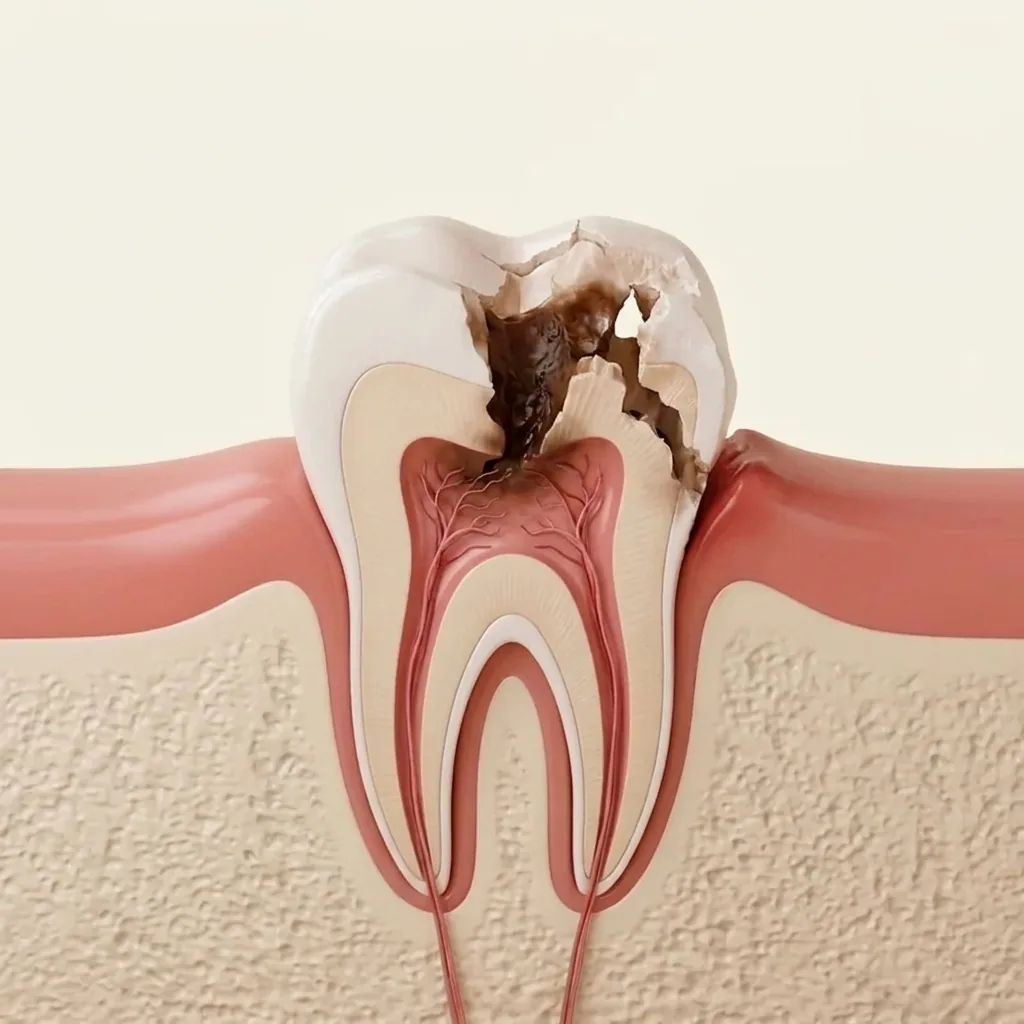
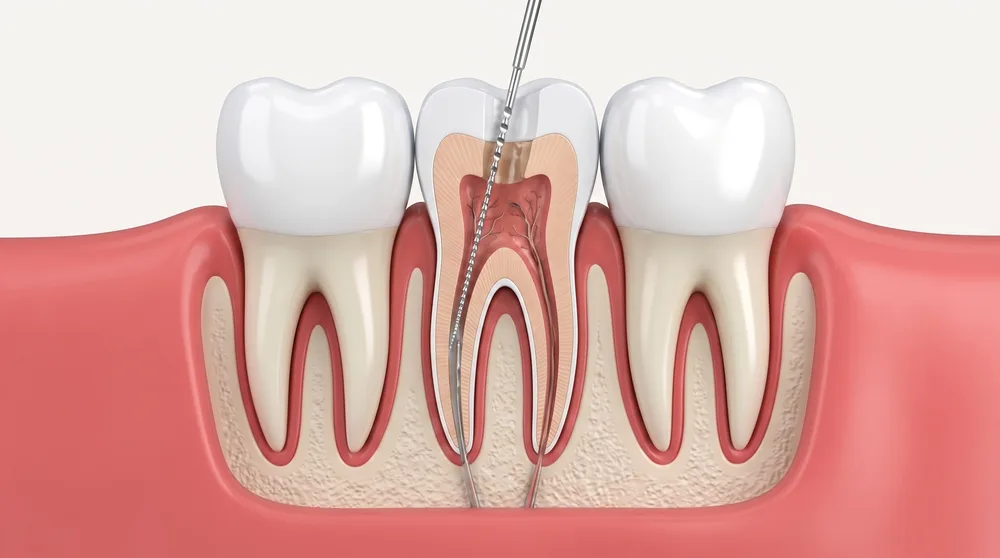
Cross-section of a molar with deep decay running down into the nerve
01

Examination and X-ray

We examine the tooth, take an X-ray or OPG to see the roots and confirm whether it can be saved. If it cannot, we explain the extraction and the costs.

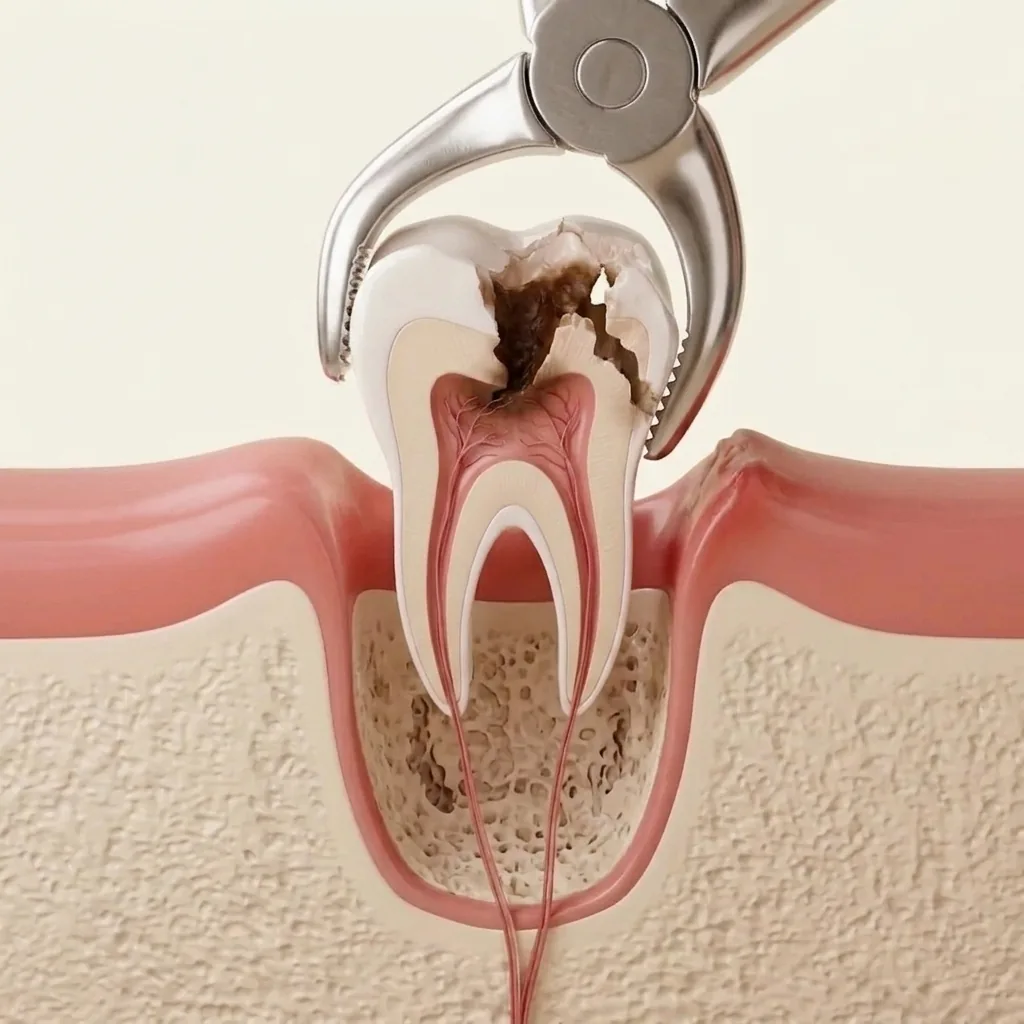
Cross-section of a decayed molar being gently lifted from its socket with dental forceps
02

Numbing and removal

Local anaesthetic numbs the tooth and gum, after IV sedation if you have chosen it. The tooth is then loosened and lifted out, or removed in sections if it is surgical. You may feel pressure, and we check in with you throughout.

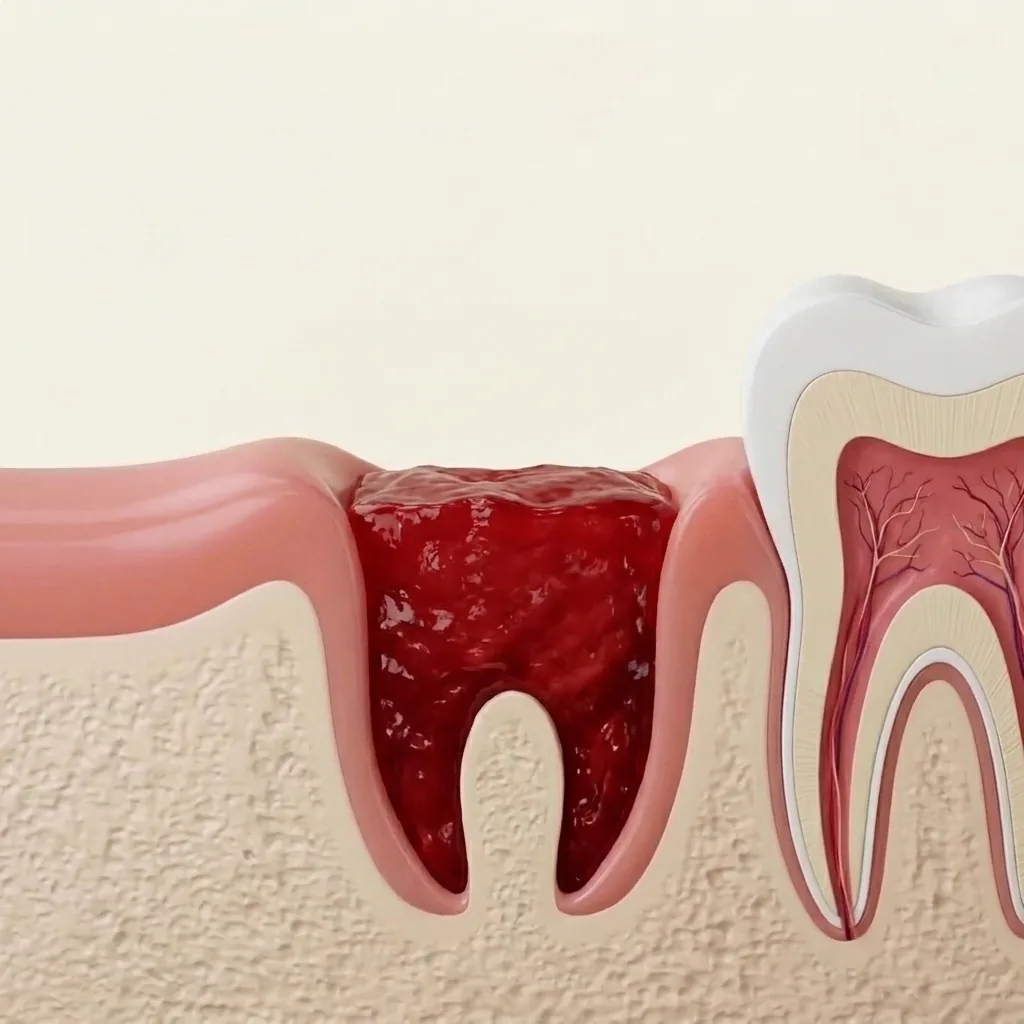
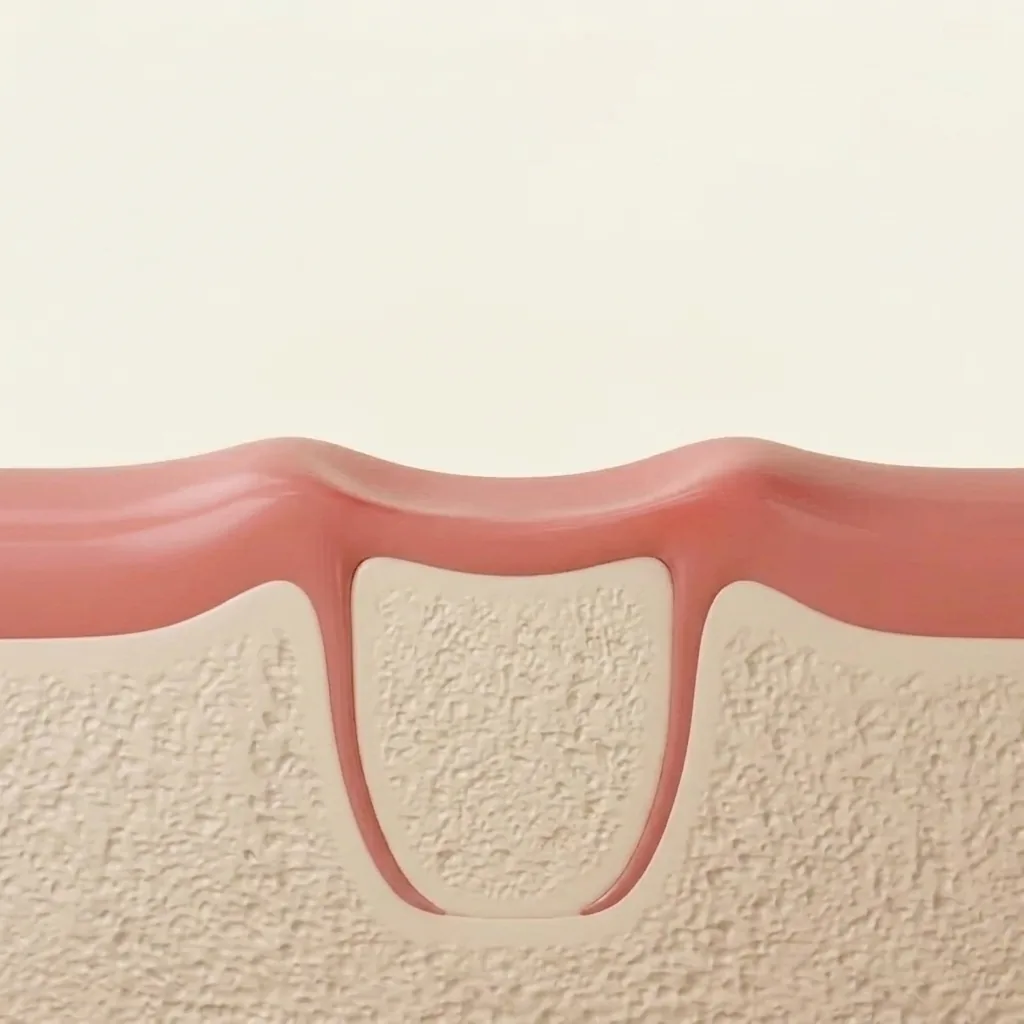
Cross-section of the empty socket filled with a protective blood clot
03

The first 24 hours

You bite on gauze while a blood clot forms in the socket. Rest, avoid hot drinks, straws and smoking, and follow the written care sheet we give you.

Cross-section of the socket after the gum has healed over
04

Healing and review

The gum closes over within a week or two. We check healing if stitches were placed and talk about replacing the tooth when you are ready.

Related care

Related treatment at Odontologie

An extraction is often one part of a bigger plan. These are the treatments our Lansvale patients most often need before or after one.

Good to know

Tooth Extraction - frequently asked

How much is a tooth extraction?

At Odontologie, extractions start from $300. The cost rises for a surgical extraction, such as a broken or impacted tooth, and if you choose IV sedation. You get a written estimate after your examination, and we accept all major health funds.

How long does a tooth extraction take to heal?

The gum usually closes over within one to two weeks, and the bone underneath keeps filling in for a few months. Most people are back at work or school within a day or two, a little longer after a surgical extraction.

What can you eat after a tooth extraction?

Stick to soft, cool or lukewarm food for the first day or two: yoghurt, smoothies eaten with a spoon, mashed potato, soup that has cooled, eggs and pasta. Avoid crunchy, spicy or very hot food, and chew on the other side until the area feels comfortable.

How long should pain last after a tooth extraction?

Soreness is usually worst in the first two days and eases steadily after that. Pain that increases from the third day, together with a bad taste, can be a sign of dry socket, and you should call us so we can check and dress the site.

Can I have IV sedation for an extraction?

Yes. IV sedation is available for anxious patients and for longer or surgical extractions. You will need someone to take you home afterwards, and your dentist checks your medical history first to make sure it is suitable.

Does having a tooth out hurt?

The area is numbed before we start, so most people feel pressure and movement rather than pain. Some tenderness afterwards is normal and is usually managed with over-the-counter pain relief taken as directed.

Can an infected tooth be removed straight away?

Often, yes. In some cases your dentist may prescribe antibiotics first so the anaesthetic works well and the infection settles. Our post on infected tooth removal explains how that decision is made.

In pain? Act now

Still in pain? Call us now

Emergency patients are prioritised every day - call us and we will see you as soon as possible.

  • We look at saving the tooth first
  • Local anaesthetic, with IV sedation available
  • Extractions from $300
  • All major health funds accepted
We accept all major health funds
MedibankBupaHCF
Odontologie Dental Care is part of the My Implant Dentist Group