329 Hume Hwy, Lansvale NSW 2166
Dental emergency? (02) 9725 6241 ★★★★★ 4.8 | 57 reviews
Home / Services / Fissure Sealants

Fissure sealants in Lansvale

Fissure
Sealants

Protecting the grooves where childhood cavities begin

Fissure sealants are a thin, tooth-coloured coating painted into the deep grooves on the chewing surfaces of back teeth. They stop food and plaque settling where a toothbrush bristle cannot reach. Applying them takes a few minutes per tooth, with no drilling and no needles, which makes sealants one of the easiest ways to protect a child's new adult molars at our Lansvale practice.

  • No drilling and usually no injections
  • Ideally placed soon after the adult molars come through
Odontologie Dental Care clinic

New patients welcome

New to Odontologie?

Book our new patient offer today to receive:

  • Comprehensive Dental Examination
  • Scale, Clean and Polish
  • 2x Bitewing X-rays (if required)
  • Fluoride Treatment

*Must be quoted at the time of phone booking. If not quoted, the full fee may apply. Offer is only available with selected dentists. If booked with a non-selected dentist, a member of staff will contact you.

$249 Check-Up and Clean Select “New Patient Offer” when booking.
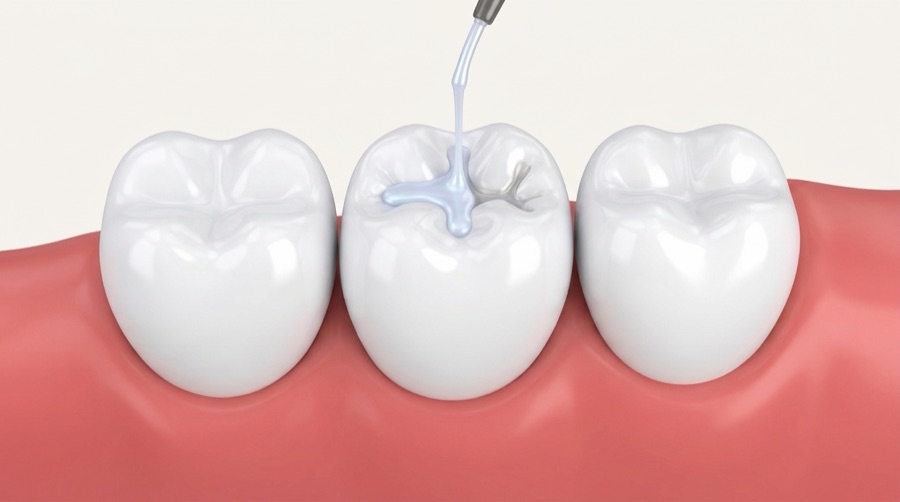
Cut-away render of a molar with a clear sealant filling the grooves of its biting surface

The basics

What are fissure sealants?

Look closely at a back tooth and you will see its chewing surface is not smooth. It is folded into pits and narrow grooves, called fissures, some of them finer than a single toothbrush bristle. Food and bacteria pack into these grooves and stay there, which is why the biting surfaces of molars are where most children's cavities start.

A fissure sealant is a flowable resin that runs into those grooves and sets hard, leaving a smoother surface that is far easier to keep clean. It does not change how the tooth looks or feels when your child bites, and it can be added to a routine check-up visit.

A dentist showing a young girl and her father the grooves on the chewing surface of a large model molar

Which teeth, what age

At what age should children get sealants?

Sealants are mostly placed on the permanent molars. The first adult molars appear behind the baby teeth at around six years of age, and the second molars at around twelve. The ideal time to seal them is soon after they have come through fully, before plaque has had the chance to start decay in the grooves. Premolars with deep fissures can be sealed as well.

Not every child needs sealants. Teeth with shallow grooves, or children with a low risk of decay, may do well without them. Your dentist will look at the shape of the grooves and your child's history before recommending anything. Adults with deep, decay-free grooves can sometimes benefit too.

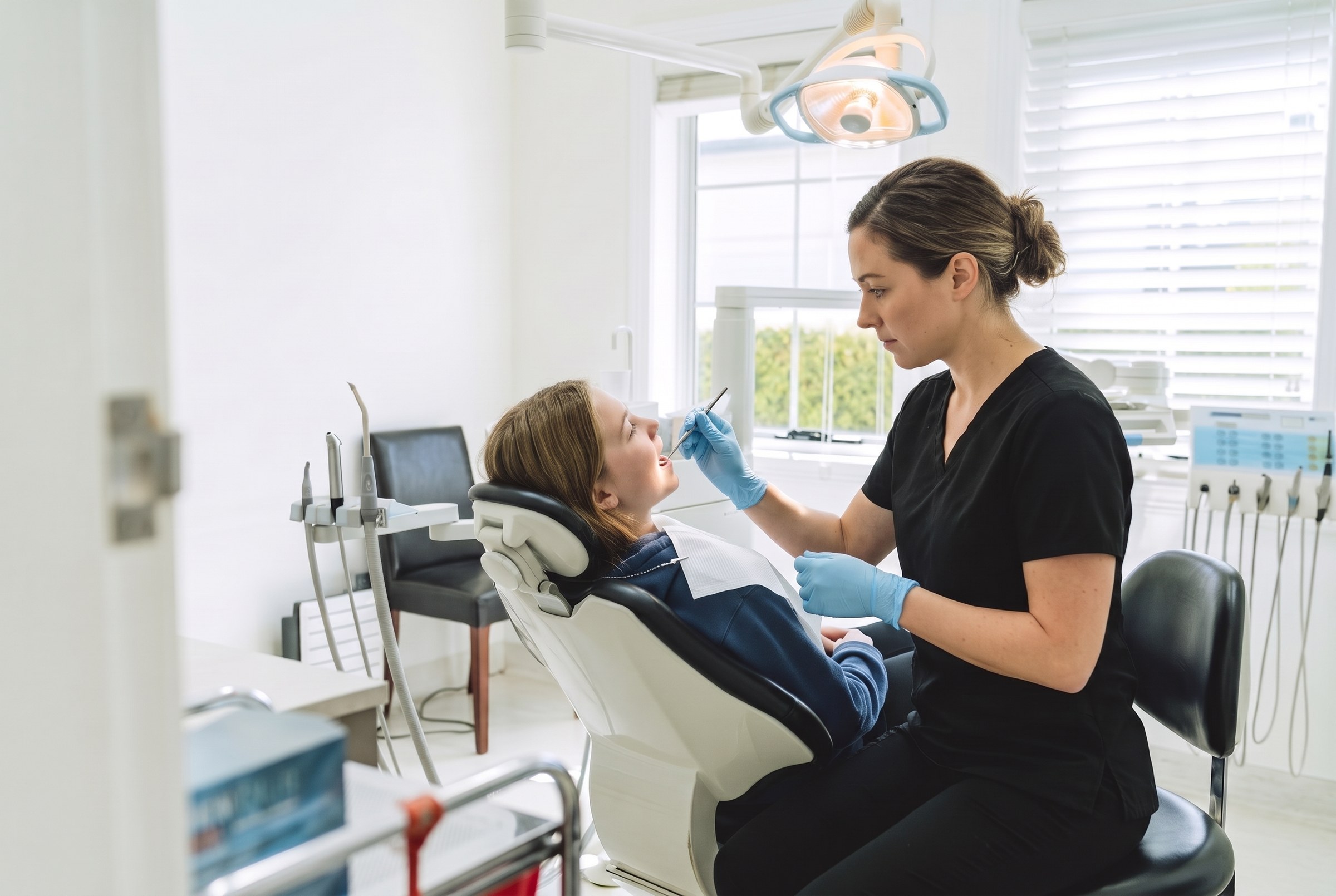
A dentist checking a teenage girl's back teeth with a small mirror at a routine check-up

How long they last

How long do fissure sealants last?

A sealant commonly protects a tooth for several years, and many last well into the teenage years when decay risk is highest. Chewing ice, hard lollies or pens can wear or chip them, so we check every sealant at each check-up. If part has worn away, it can be topped up quickly without starting again.

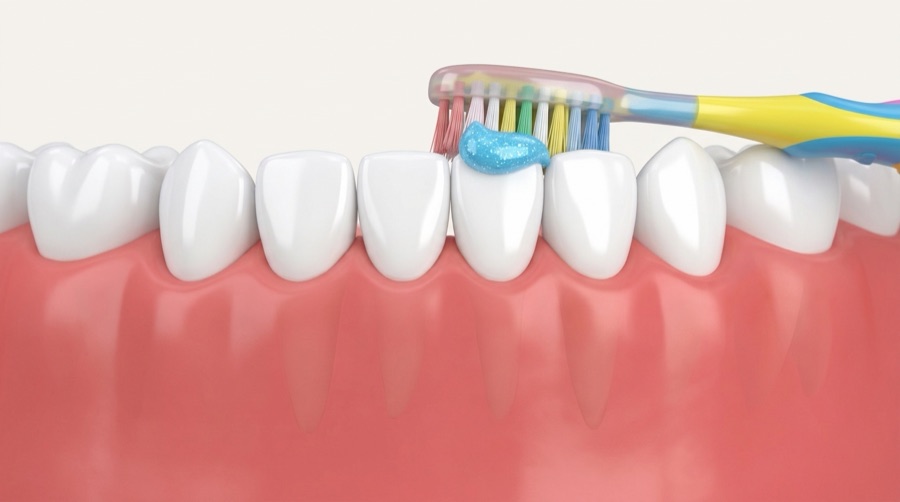
Sealants work alongside, not instead of, brushing with fluoride toothpaste, a low-sugar diet and regular preventive care. The smooth surfaces between the teeth still need flossing, because sealants only protect the chewing surface.

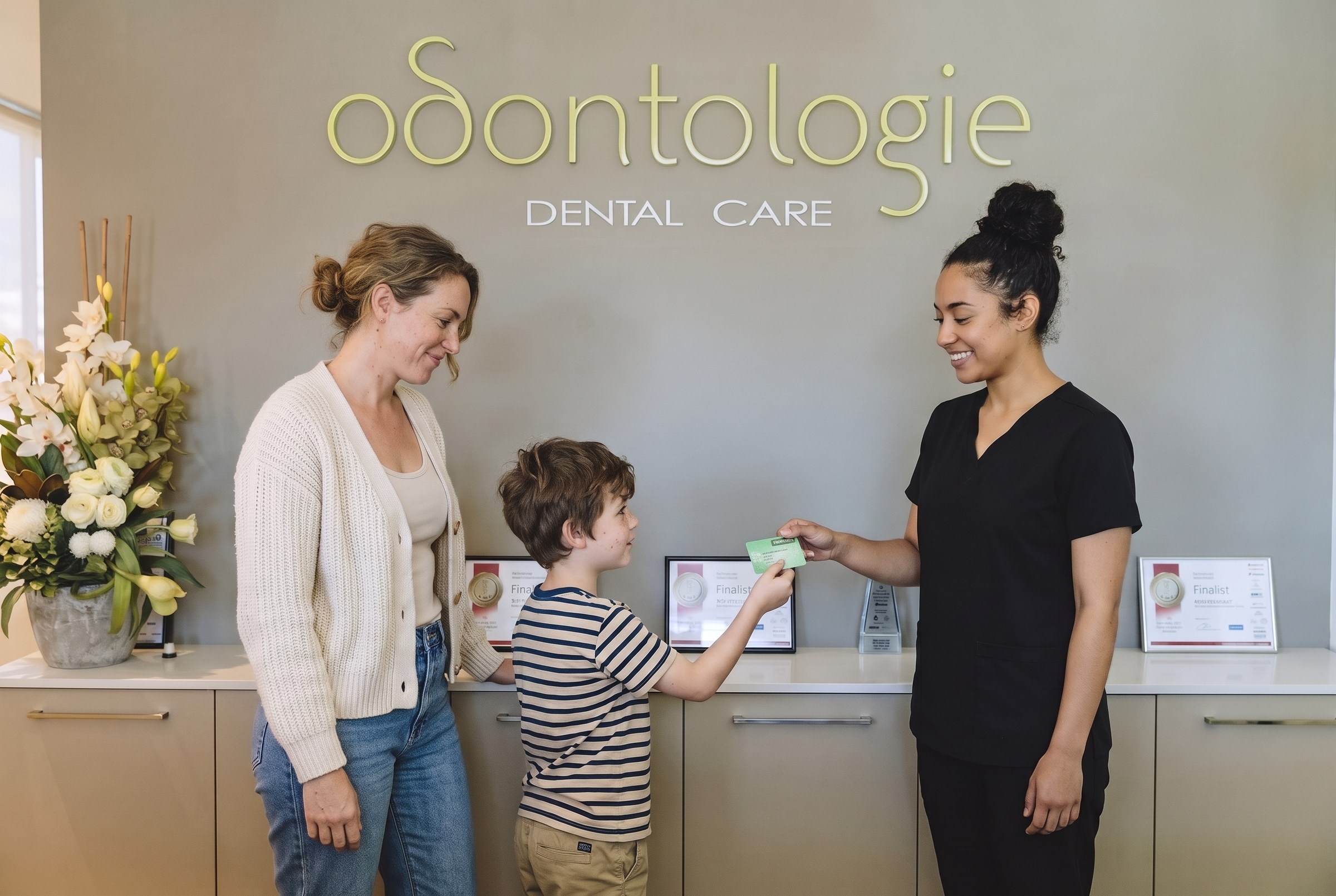
A receptionist handing a Medicare card back to a mother and her son at the Odontologie front desk

Cost and CDBS

Fissure sealant cost and the Child Dental Benefits Schedule

The fee depends on how many teeth are sealed, and we confirm it before we begin. Most extras policies pay a rebate on fissure sealants as a preventive item, and we accept all major health funds.

Are fissure sealants covered by the CDBS? Yes, sealants are among the services the Child Dental Benefits Schedule covers for eligible children aged 0 to 17. In most cases we can bulk bill services under the CDBS, so eligible families pay little or nothing. Bring your child's Medicare card and we will check eligibility. Families come to us for children's care from Lansvale, Cabramatta, Canley Vale and Chipping Norton, and from Carnes Hill and Cecil Hills.

How it works

How are fissure sealants applied?

Each tooth takes only a few minutes, and most children find the visit easy. Here is what happens.

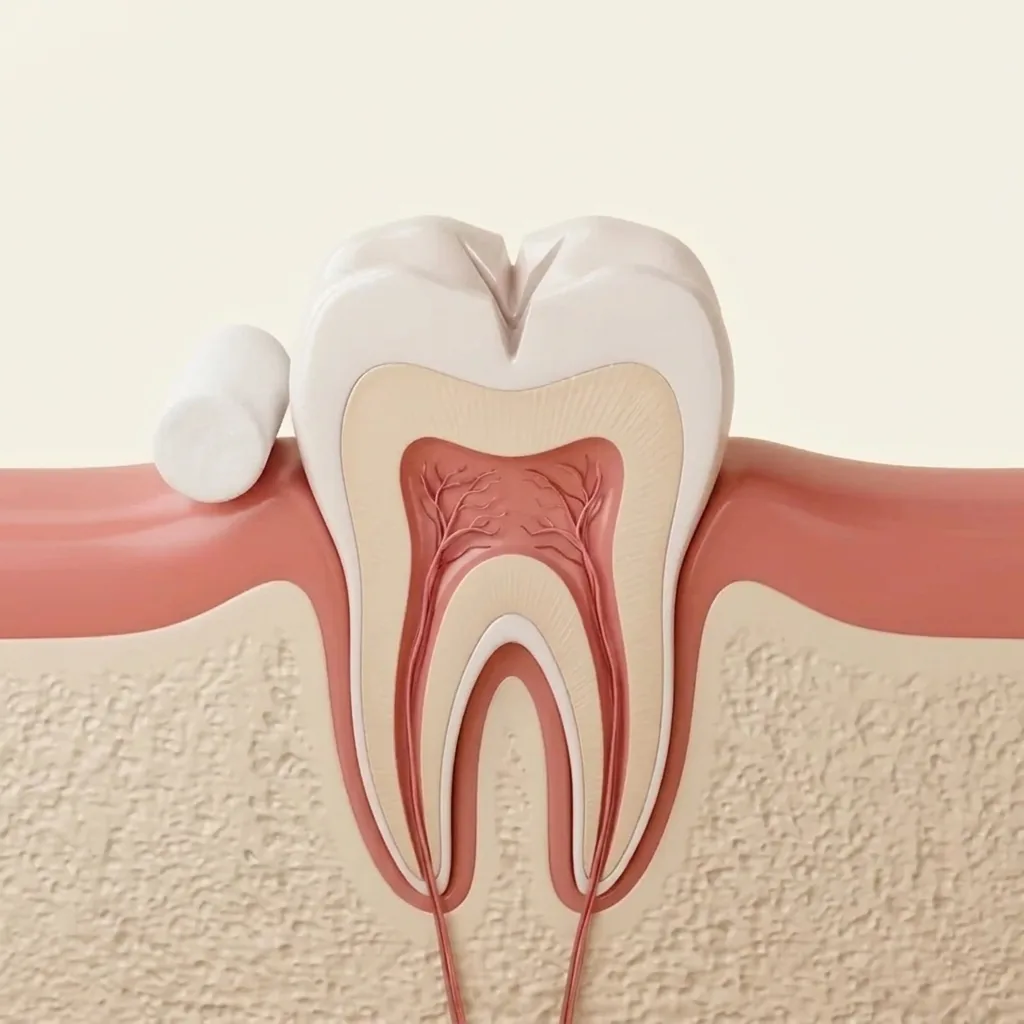
Cross-section of a healthy molar with a deep groove and a cotton roll beside it
01

Clean and keep dry

The tooth is polished to remove plaque, then cotton rolls and gentle suction keep it dry. A dry surface is what lets the sealant bond properly, so this part matters most.

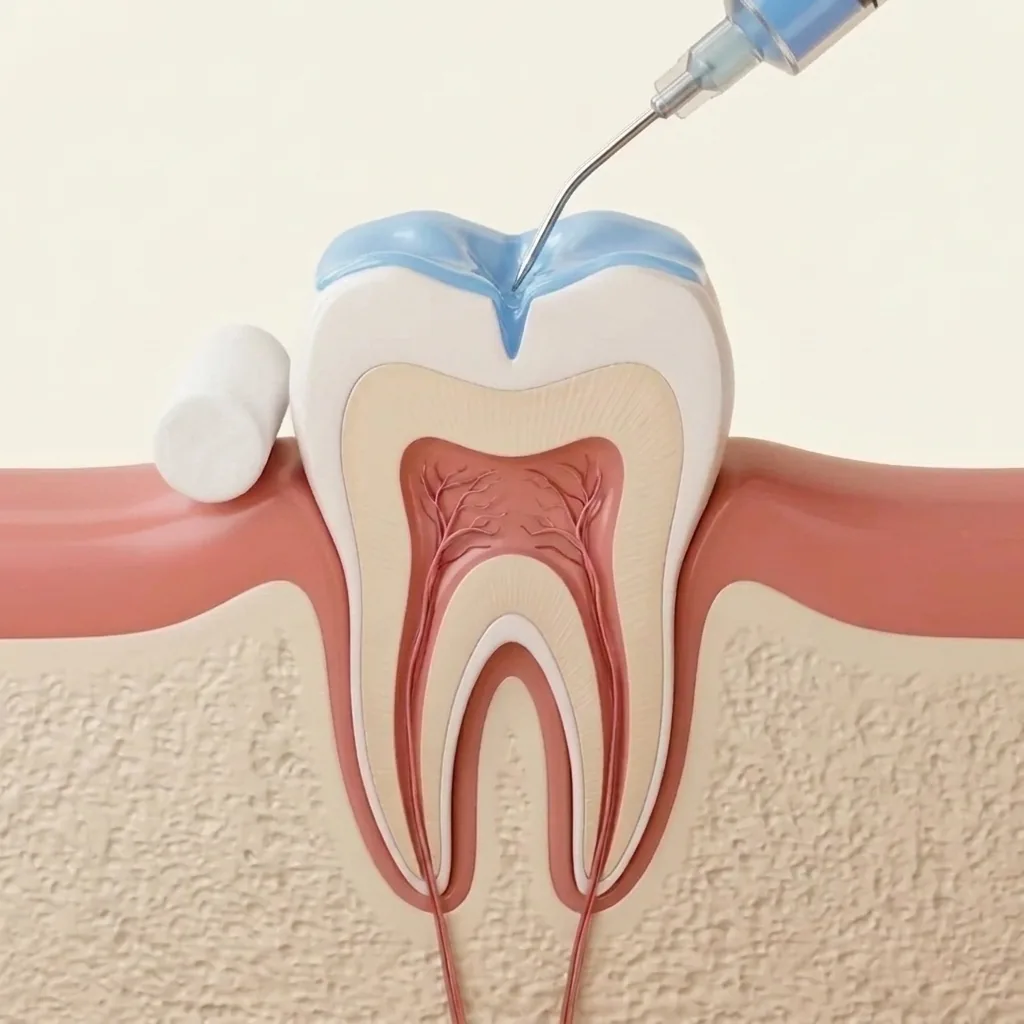
Blue conditioning gel applied over the groove of the molar from a fine syringe tip
02

Prepare the surface

A mild conditioning gel is placed on the chewing surface for a few seconds to slightly roughen the enamel. It is rinsed off and the tooth is dried again. Nothing is drilled away.

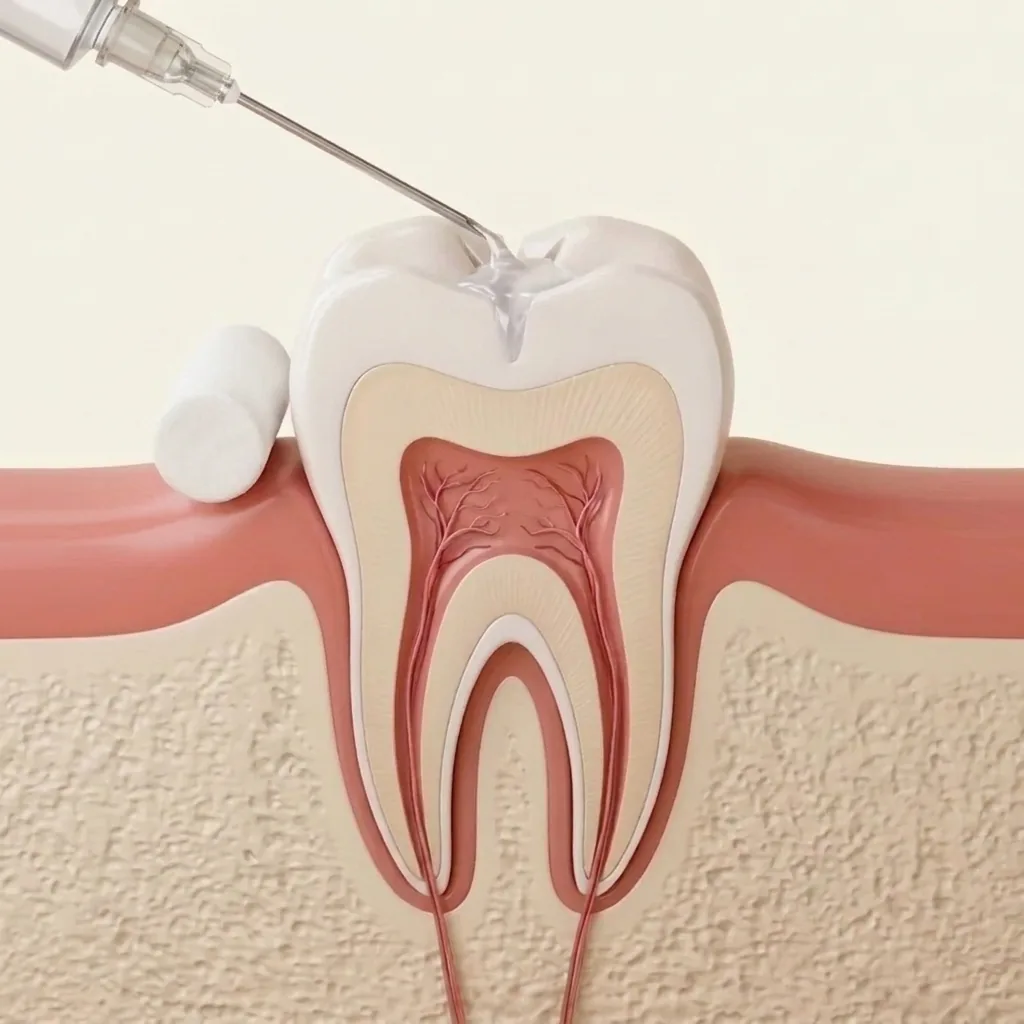
Clear sealant flowing from a fine tip into the groove of the molar
03

Flow in the sealant

The liquid sealant is painted into the pits and grooves, where it flows into the narrow fissures and grips the prepared enamel.

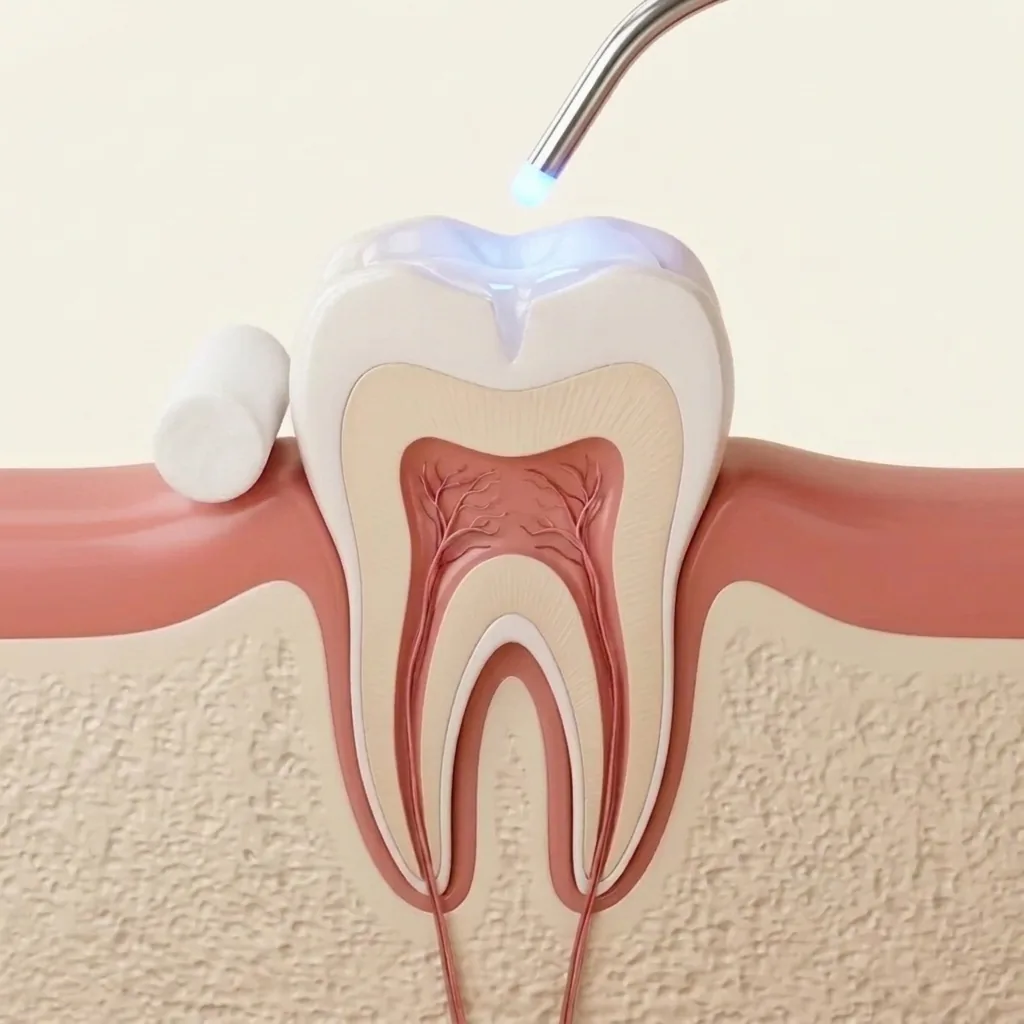
A curing light hardening the sealant now level with the biting surface
04

Set and check the bite

A blue curing light hardens the sealant in seconds. We check that every groove is covered and that your child's bite feels normal. They can eat and drink as soon as they leave.

Related care

More preventive care for children

Sealants do the most good as part of a wider plan to keep your child's teeth healthy as they grow.

Good to know

Fissure Sealants - frequently asked

What are fissure sealants?

Fissure sealants are a thin resin coating painted into the deep grooves on the chewing surfaces of back teeth. Once set, they stop food and plaque collecting in grooves that are too narrow to brush clean, which lowers the chance of decay in those surfaces.

At what age should children get sealants?

Usually soon after the permanent molars come through, which is around six years of age for the first molars and around twelve for the second molars. Your dentist will check the grooves and your child's decay risk at their check-up and only recommend sealants where they will help.

How long do fissure sealants last?

Often several years. They are checked at each six-monthly visit, and any part that has worn or chipped can be repaired quickly. Avoiding chewing ice and hard objects helps them last.

Are fissure sealants covered by the CDBS?

Yes, fissure sealants are covered for children who are eligible for the Child Dental Benefits Schedule. In most cases we can bulk bill CDBS services at Odontologie. Most private extras policies also pay a rebate on sealants.

Does getting a sealant hurt?

No drilling is involved and an injection is not usually needed. Your child will feel the tooth being polished, a cool gel and a little air to dry it. Most children are happy to have several teeth sealed in one visit.

Can a sealant go over a tooth that already has decay?

A sealant is meant for healthy grooves. If a groove already has decay, it needs to be treated first, usually with a small filling. Very early changes in the enamel can sometimes be sealed over and then monitored closely, and your dentist will explain which applies.

Ready when you are

Book your visit at
Odontologie

Booking is easy - reserve your appointment online in under a minute, or give our friendly team a call. New patients are always welcome.

  • 38 years caring for Lansvale families
  • Preferred provider for most major health funds
  • Gentle, relaxed care - we put nervous patients at ease
  • Cosmetic & dental implant specialist team
We accept all major health funds
MedibankBupaHCF
Odontologie Dental Care is part of the My Implant Dentist Group