329 Hume Hwy, Lansvale NSW 2166
Dental emergency? (02) 9725 6241 ★★★★★ 4.8 | 57 reviews
Home / Services / Toothache

Toothache in Lansvale, south-west Sydney

Toothache Treatment in Lansvale

Getting you out of pain, then finding the reason

Toothache rarely arrives at a convenient moment. It might be a twinge every time you sip something cold, a sharp jab when you bite, or a deep throb that stops you sleeping. At Odontologie Dental Care in Lansvale, toothache treatment starts with getting you comfortable and then tracking down exactly what is wrong, so we fix the cause rather than just the symptom. Families have come to our Hume Highway practice since 1988, and we are a short drive from Cabramatta, Canley Vale, Warwick Farm, Chipping Norton and Liverpool, with appointments on Saturday mornings too.

  • People in severe pain or with swelling are seen first
  • An X-ray confirms which tooth is causing the pain
Odontologie Dental Care clinic

In pain? Act now

Severe toothache? Ring us now

Severe tooth pain or swelling should not wait until next week. Phone Odontologie Dental Care on (02) 9725 6241 and we will offer you the soonest appointment available. People in severe pain are put first every day we are open, Monday to Saturday.

  • Severe pain and swelling seen first each day
  • An X-ray to confirm the cause
  • Your options and costs explained before treatment
  • Saturday appointments, 9am to 2pm
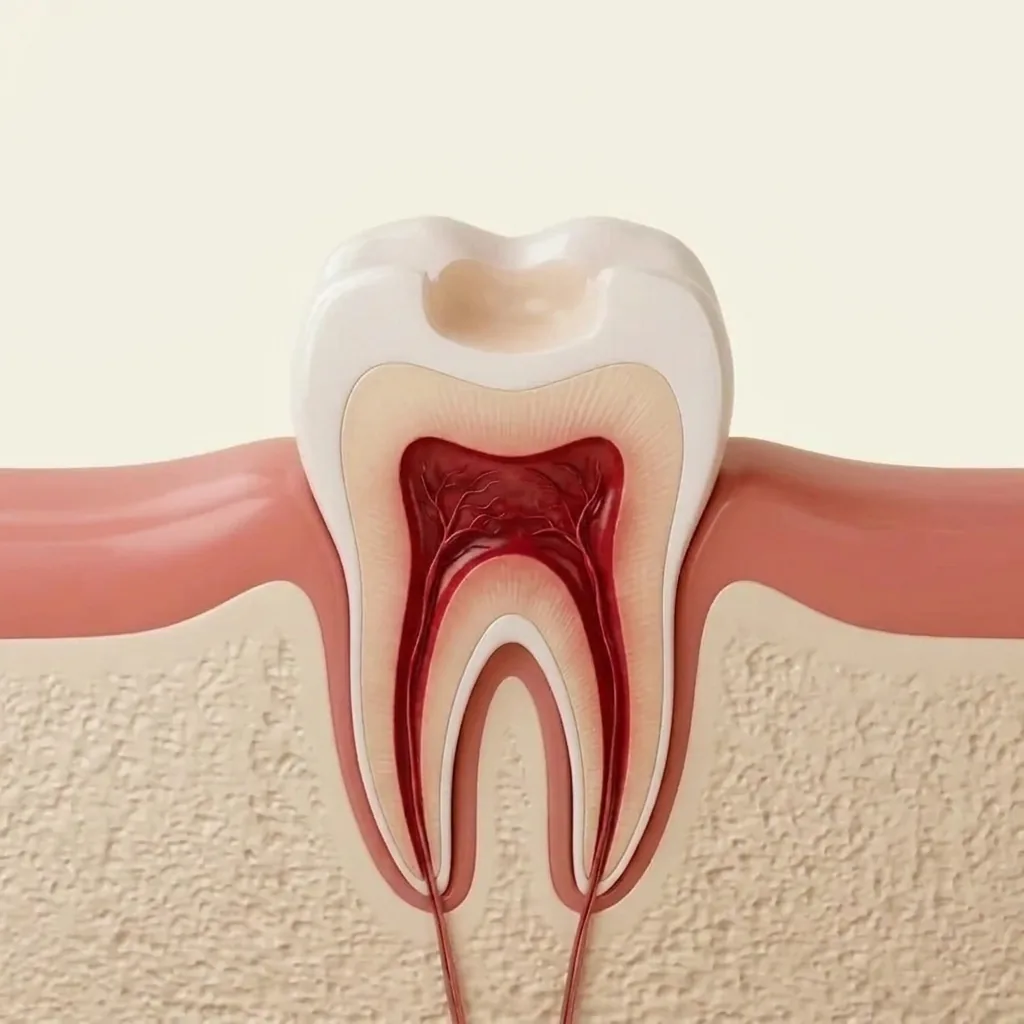
Cross-section diagram of a molar showing decay reaching the nerve inside the tooth

Behind the pain

Why do teeth start to ache?

At the centre of each tooth is the pulp, a soft core of nerve fibres and blood supply sealed inside hard enamel and dentine. Anything that breaches that seal or inflames the pulp can cause pain. Here is what we find most often in Lansvale:

  • Decay. Acid from plaque eats through the enamel. Once a cavity reaches the dentine, the tooth starts reacting to cold, heat and sugar.
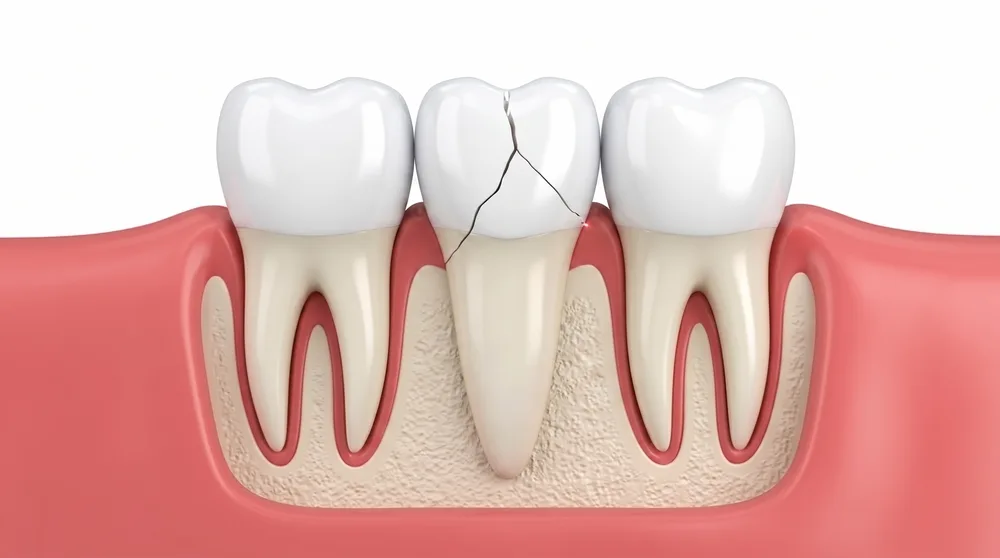
  • Cracks and broken fillings. A fine crack may only hurt when you bite down or let go. A filling that has fallen out leaves the sensitive inner tooth uncovered.
  • Infection at the root. If bacteria get into the pulp, an abscess can form at the end of the root, causing deep, pounding pain and sometimes swelling.
  • Gum disease and receding gums. Exposed root surfaces and inflamed gums can make a tooth feel sore to brush or chew on.
  • Wisdom teeth. A wisdom tooth that has only half come through can trap food under a flap of gum that becomes swollen and painful.

Not every toothache starts in a tooth. Sinus congestion and a tight, clenched jaw can both feel like tooth pain, which is another reason to have it examined.


A woman sitting up in bed at night with a throbbing toothache

Night-time throbbing

Why does my tooth hurt more when I lie down?

Lying flat sends more blood towards your head, and inside a tooth there is no room for an inflamed pulp to swell. The pressure builds and the ache you managed to ignore all day suddenly feels much louder. Quiet surroundings make it harder to think about anything else, too.

Night-time grinding can make it worse, so some people wake with both a sore tooth and a tired jaw. If your tooth is worse at night, take it as a sign the nerve is already irritated and book in within a day or two, before an infection has the chance to develop.

A man holding a cold pack to his cheek at home while he waits for his appointment

Before your appointment

Safe toothache relief at home

These steps can make the wait easier, but none of them treat the cause.

Please note: this is general information only. Ask your pharmacist or GP before using any medicine, including pain relief from the supermarket, especially if you are pregnant, have a medical condition or already take medication.

  • Follow the packet. Over-the-counter pain relief used exactly as directed may help. Do not rest a tablet against your gum, as this can burn the tissue.
  • Cool the area. An ice pack or frozen peas wrapped in a tea towel, held on the outside of the cheek for around 15 minutes, can reduce throbbing and swelling.
  • Rinse gently. Stir half a teaspoon of salt into a glass of warm water, swish softly and spit, to keep the area clean.
  • Give it a rest. Chew on the other side and steer clear of icy, very hot or sweet food and drink.
  • Sleep propped up. An extra pillow can ease night-time pressure.

Pain that is building, a bad taste or any swelling means it is time to ring us, not wait.

How it works

From the first phone call to a settled tooth

Pain is a message, not a diagnosis. These four steps are how we turn a sore tooth into a clear answer and a fix that lasts.

01

Phone us early

Call (02) 9725 6241 from 9am on weekdays or Saturday. Describe which side hurts, what sets it off and whether your face is swollen, so we can judge how urgently to see you. People in severe pain or with swelling go to the front of the queue.

Book now →
02

Pinpoint the tooth

Toothache is often felt in the wrong place, even in the opposite jaw. We tap and cold-test the teeth nearby, look at your gums and bite, and take an X-ray, because decay, a crack, an old filling breaking down and an infection at the root tip all look different on film.

03

Fix what is causing it

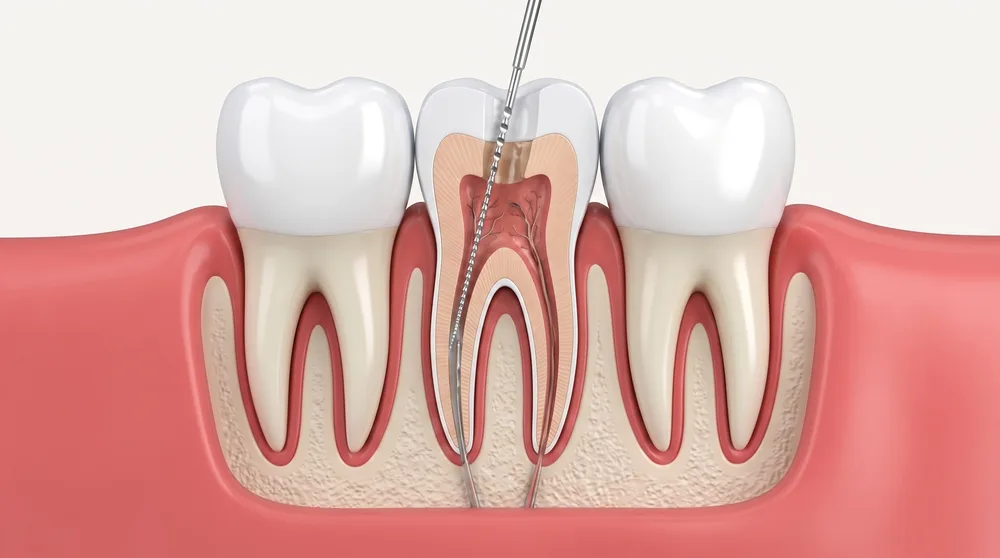
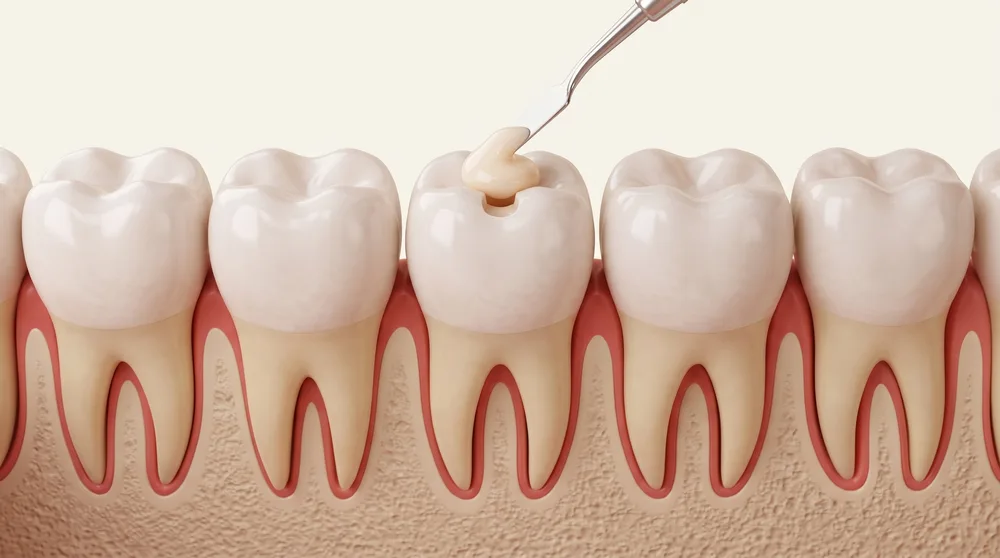
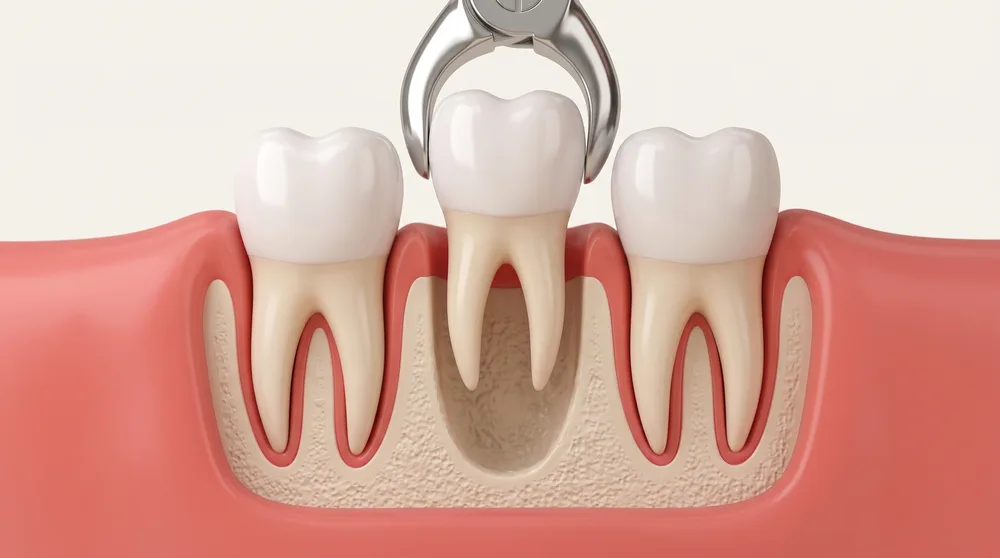
With the cause confirmed, we talk you through the choices and their costs. Depending on what we find, that may be a filling, root canal treatment to save a tooth with an inflamed nerve, or removing a tooth that cannot be rebuilt. If your face is swollen, we may settle the infection before treating the tooth.

04

Keep it from coming back

Decay and cracks usually develop for a long time before they hurt. Six-monthly check-ups, flossing or interdental brushes each day and fewer sugary drinks between meals mean the next problem is caught while a small repair is all it needs.

Related care

How a toothache is treated

What we recommend depends entirely on what the examination and X-ray show. These are the treatments that most often resolve tooth pain at our Lansvale practice.

Good to know

Toothache - frequently asked

When is a toothache an emergency?

Ring us that day if the pain is severe or getting steadily worse, your face or gum is swollen, you feel feverish, there is pus or a foul taste, or the pain followed an injury. Swelling that is spreading to your eye or neck, or any trouble swallowing or breathing, needs a hospital emergency department straight away.

Will I need a root canal or an extraction?

Where enough sound tooth is left, we usually suggest root canal treatment first, as keeping your own tooth tends to be the better long-term option. Removal comes into it when a tooth is split, very loose or cannot be restored. You see the X-ray, hear the pros, cons and costs of each, and make the decision. Our article on infected tooth removal covers what happens if a tooth does need to come out.

What causes a root canal to be needed?

The nerve inside a tooth can become inflamed or infected after deep decay, a crack, a very large filling or a blow to the tooth. Lingering pain after hot or cold, tenderness on biting and swelling are common signs, although some teeth needing root canal treatment cause no symptoms at all.

Can a tooth infection spread?

It can. Infection from a tooth may travel into the jawbone and the tissues of the face and neck, and occasionally beyond, which can be serious. Watch for swelling, tender glands, a temperature or feeling generally unwell. Antibiotics may calm an infection for a time, but the tooth still needs treatment to remove the source.

Can a toothache go away on its own?

Pain can fade, but the problem causing it does not repair itself. When a throbbing tooth suddenly goes quiet, it sometimes means the nerve has died and the infection is still there. Getting it checked while it is small usually means simpler, cheaper treatment.

How much does toothache treatment cost?

That depends on the cause. A small filling costs much less than root canal treatment, which starts from $1,100 for a front tooth and $2,000 for a molar. You receive a written estimate once we have examined the tooth, and your health fund may contribute depending on your level of cover.

Can I be sedated if I am very anxious?

Yes. For suitable patients, follow-up treatment such as a root canal or extraction can be done under IV sedation, planned in advance after a health assessment. Please do not let nerves stop you calling about the pain itself.

In pain? Act now

Still in pain? Call us now

Emergency patients are prioritised every day - call us and we will see you as soon as possible.

  • Severe pain and swelling seen first each day
  • An X-ray to confirm the cause
  • Your options and costs explained before treatment
  • Saturday appointments, 9am to 2pm
We accept all major health funds
MedibankBupaHCF
Odontologie Dental Care is part of the My Implant Dentist Group