329 Hume Hwy, Lansvale NSW 2166
Dental emergency? (02) 9725 6241 ★★★★★ 4.8 | 57 reviews
Home / Services / Traditional Braces

Braces in Lansvale, near Cabramatta

Traditional braces
in Lansvale

Fixed braces for crooked teeth and bite problems

Traditional braces are small brackets fixed to the front of each tooth and linked by a thin archwire. Together they apply steady, controlled force that moves teeth into a better position over time. Our dentists provide orthodontic treatment with braces for children, teenagers and adults at Odontologie Dental Care, 329 Hume Highway, Lansvale. We are about 1 km from Cabramatta, so families from Canley Vale, Fairfield and Chipping Norton have only a short trip for adjustments.

  • Metal, ceramic, clear and self-ligating braces
  • Suitable for children, teens and adults with healthy teeth and gums
Odontologie Dental Care clinic

Your next step

Book a free orthodontic assessment

Come in for a free smile consultation. Our dentists will look at your teeth and bite, explain whether braces, clear aligners or another approach would suit you, and plan your treatment to your budget. A $75 deposit holds your free consultation, and it is refunded when you attend or if you give us 48 hours' notice to cancel.

  • Free smile and bite assessment
  • Braces and aligner options explained
  • A written plan and fee estimate
  • Payment plans available, subject to approval
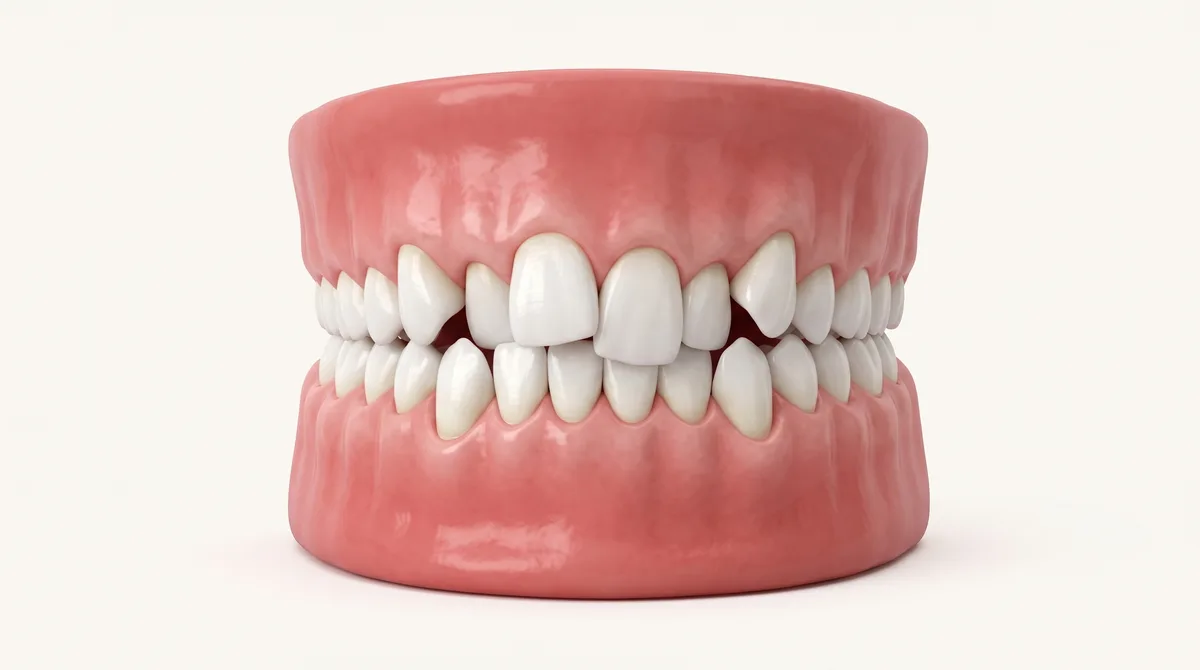
Diagram of a lower arch with crowded and twisted front teeth

The basics

What are traditional braces?

Braces are a fixed orthodontic appliance, meaning they stay on your teeth for the whole of treatment rather than coming in and out. They have three working parts:

  • Brackets, bonded to each tooth with a dental adhesive, which act as handles
  • An archwire, which runs through every bracket and carries the force that moves the teeth
  • Elastic ties or clips, which hold the wire firmly in the bracket slots

Because the appliance is fixed, it works around the clock without you having to remember to wear it. That makes braces a dependable choice for younger patients and for anyone who knows they would struggle to keep removable trays in for most of the day.

Braces are used to treat overcrowding, teeth that overlap or twist, gaps between teeth and bite problems such as overbites, underbites and crossbites.
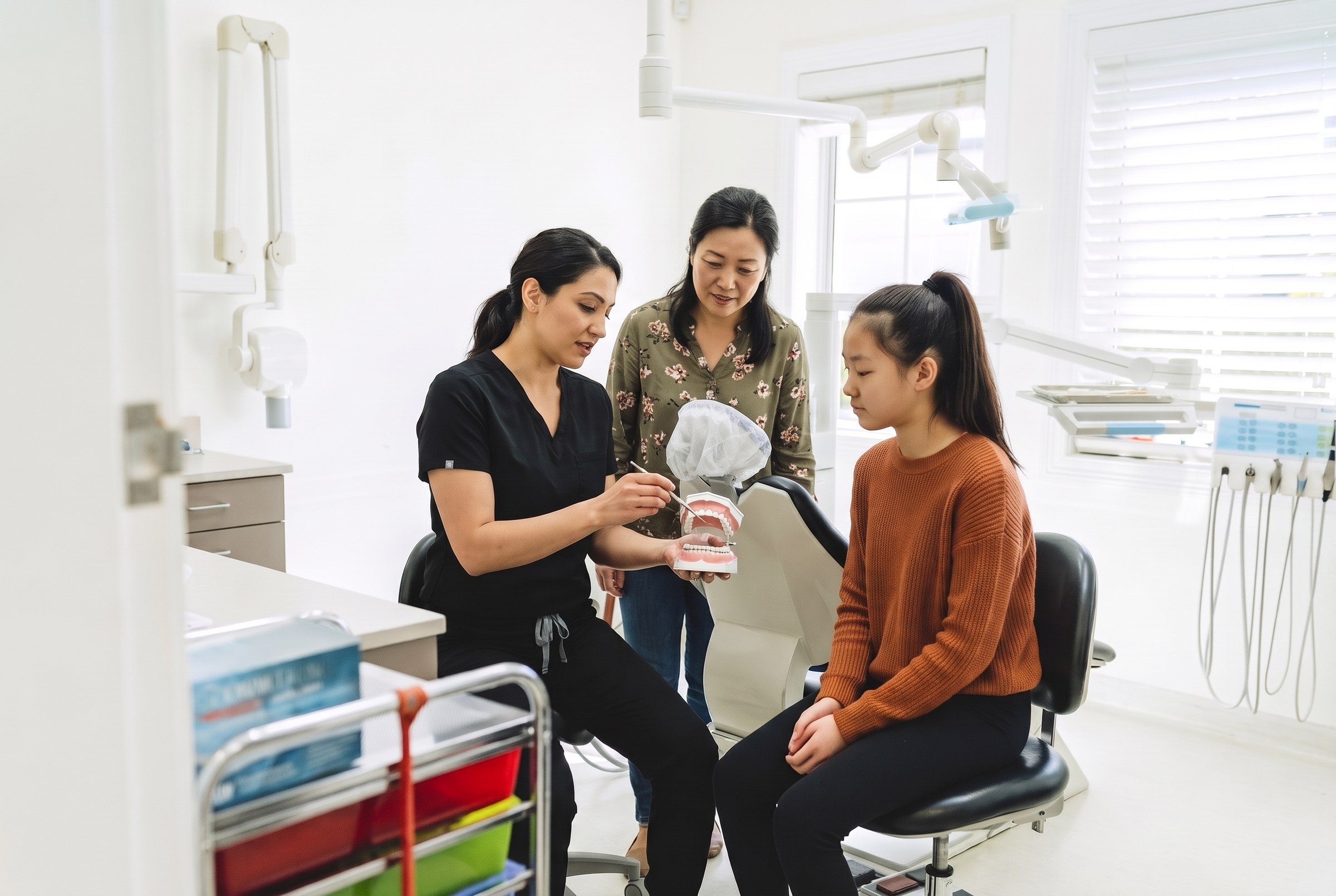
A dentist showing a teenage girl and her mother how brackets and an archwire work on a teeth model

How they move teeth

How do braces work?

Teeth are held in the jaw by a ligament, not fused to the bone. When gentle pressure is applied in one direction for long enough, the bone on one side of the root slowly breaks down and new bone forms on the other side. The tooth moves into the space created.

The archwire is what delivers that pressure. Early wires are thin and flexible, which allows them to start untangling crowded teeth. As treatment progresses we change to firmer wires that give finer control over each tooth's angle and position. At each adjustment visit we check progress, replace ties, and change or bend the wire as needed.

Movement is deliberately gradual. Going slowly gives the bone and gums time to remodel around each tooth, which is part of what keeps the result stable once the braces come off.

Your options

Types of braces we offer

All four types move teeth in the same way. They differ in how they look, how they hold the wire and how they suit different ages and budgets.

Metal braces

Stainless steel brackets and wire. They are strong, compact and the most familiar type. Younger patients often enjoy choosing coloured elastics at each visit.

Ceramic braces

Tooth-coloured ceramic brackets that blend in with your teeth, so they are less noticeable from a distance. They suit teens and adults who want a more discreet look with a fixed appliance.

Clear braces

Translucent brackets, often paired with a lighter coloured wire, for people who want fixed braces that draw less attention than metal.

Self-ligating braces

Brackets with a small built-in clip that holds the wire, instead of elastic ties. With no elastics to replace, adjustment visits can be quicker and there are fewer places for food to catch.

Not sure which type suits you?

Book a free smile consultation. We will assess your teeth and bite, compare the brace types that would work for you, and plan treatment to your budget.

Book a Free Smile Consultation

How it works

Getting braces at Odontologie

From the first assessment to the day the brackets come off, treatment follows four stages.

01

Orthodontic assessment

We examine your teeth, gums, jaw and bite, take records and discuss what you would like to change. We also talk through whether braces, clear aligners or a referral would serve you better, then give you a written plan with a fee estimate.

Book now →
02

Fitting your braces

Your teeth are cleaned and dried, the brackets are bonded in place, and the first archwire is fitted. The visit takes longer than a regular check-up, and we show you how to clean around the brackets before you leave.

03

Regular adjustments

Every several weeks you return so we can check movement, change ties and replace or adjust the wire. These visits are shorter, and teeth may feel tender for a day or two afterwards.

04

Removal and retainers

Once your teeth have reached their planned position, the brackets are gently removed and the adhesive is polished away. We fit retainers to hold your teeth in place while the bone around them settles.

A woman in her thirties with clear ceramic braces at an adjustment appointment

Who braces suit

Who is suitable for braces, and how long do they take?

Braces suit a wide range of people. For children and teenagers, treatment can take advantage of a growing jaw, and fixed braces remove the need to remember a removable appliance. For adults, there is no upper age limit, provided the teeth and gums are healthy. Braces are also commonly chosen for more complex cases, such as severe crowding, rotated teeth and bite correction, because the wire gives close control over each tooth.

Treatment time is commonly between 12 months and three years, depending on the case. Things that change your timeframe include:

  • How far the teeth need to move and whether the bite also needs correcting
  • Age, since a growing jaw often responds faster
  • The type of brace used
  • Keeping appointments, wearing elastics if they are prescribed, and avoiding breakages

If a bracket comes loose, call us so it can be reattached before it holds up progress.

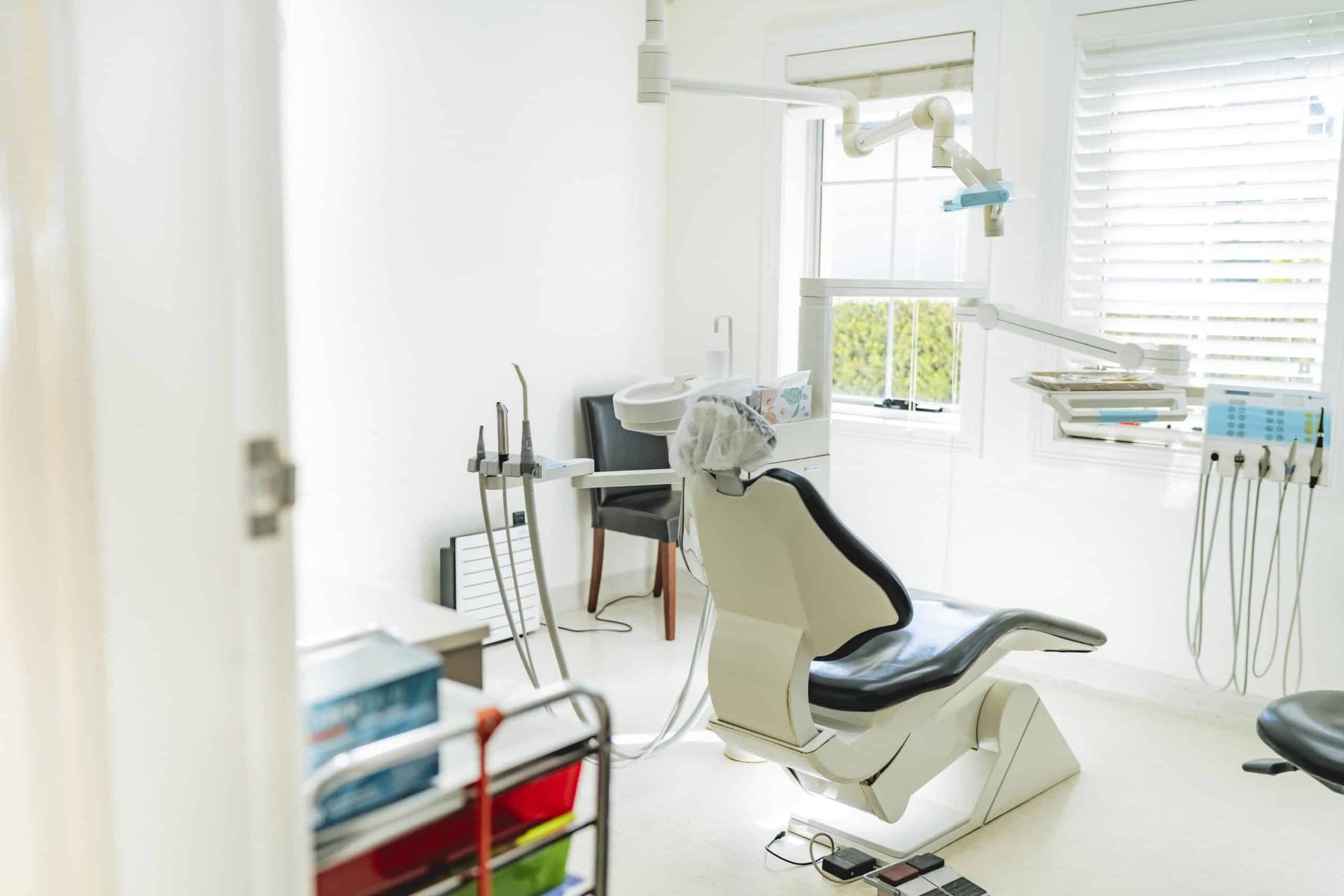
A bright, empty treatment room with a dental chair and garden window at Odontologie Dental Care

Living with braces

Caring for your teeth with braces

The first week is the adjustment period. Your lips and cheeks need time to toughen up against the brackets, so we give you orthodontic wax. Roll a small piece and press it over any bracket that rubs until the area settles.

Food choices matter while braces are on. Hard, sticky and chewy foods can bend wires or knock brackets off. It helps to avoid:

  • Hard lollies, nuts and ice
  • Toffee, caramels and chewing gum
  • Biting directly into apples, corn on the cob or crusty rolls (cut them up instead)

Cleaning takes a little more time. Brush after meals, angle the bristles above and below the brackets, and use interdental brushes or floss threaders to clear the spaces between teeth. Plaque left around brackets can mark the enamel, so keep up your regular check-up and clean visits throughout treatment.

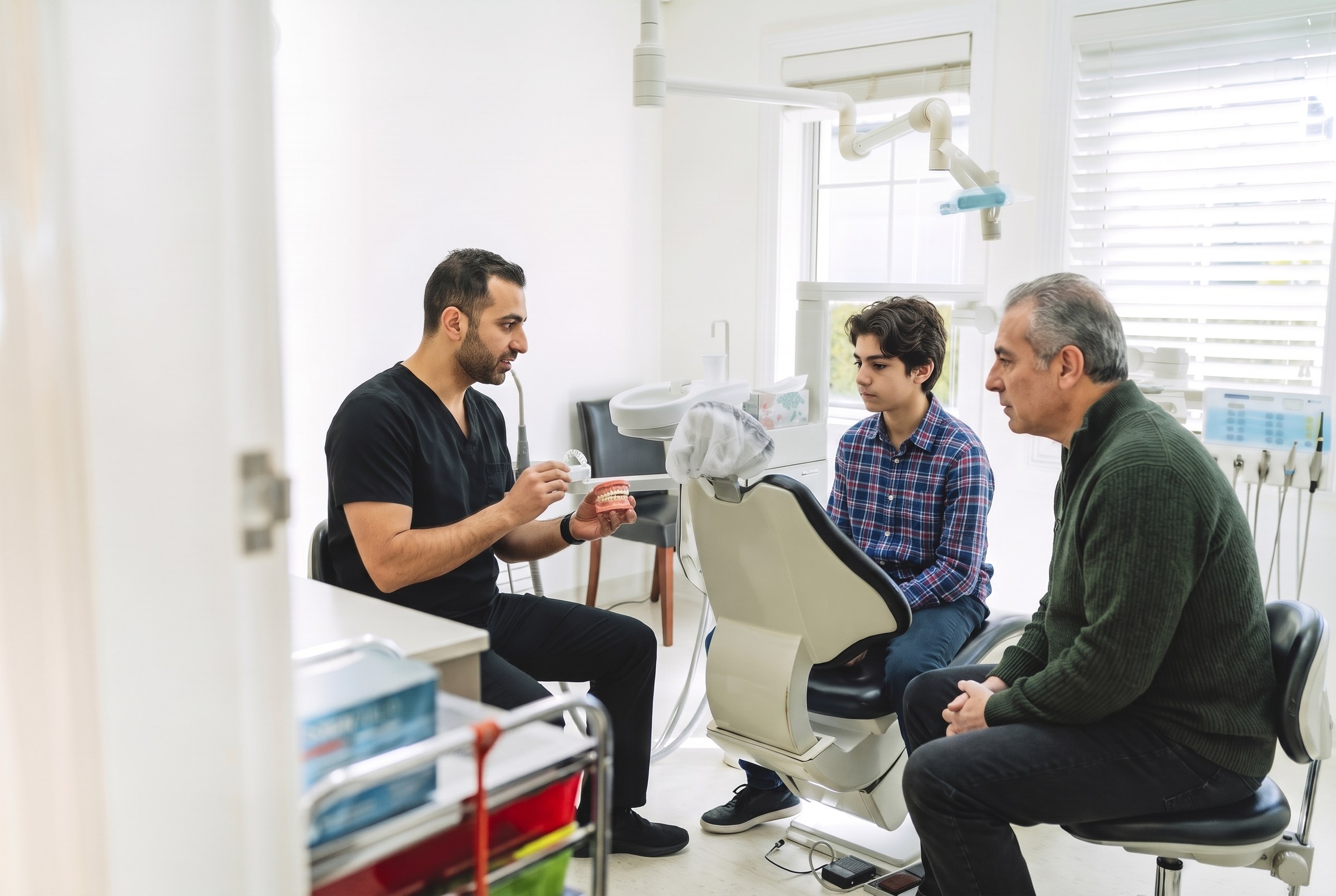
A dentist holding a clear aligner and a braces model while a teenage boy and his father compare the two

Comparing options

Braces or clear aligners?

Both braces and clear aligners can straighten teeth. The better choice depends on your teeth, your bite and how you live.

  • Braces are fixed, so they work continuously without relying on you to wear them. They give close control for complex movements and suit children well.
  • Clear aligners are clear removable trays. They are discreet and come out for eating and cleaning, but must be worn 20 to 22 hours a day to work.

At your assessment we explain which option fits your case, and why. Our orthodontic treatment page compares the choices for children, teens and adults in more detail.

Many patients come to us from further afield too. If you have been searching for braces in Wetherill Park or Edensor Park, both are about 7 km from our Lansvale practice, and Liverpool and Bankstown are a similar distance. There is parking at the front and back of the building.

Good to know

Traditional Braces - frequently asked

How much do braces cost?

The fee for braces depends on the type of brace, how complex your case is, how long treatment is expected to take and which retainers you need afterwards. Because these vary so much from person to person, we give you a written estimate after your assessment, before any treatment starts. You can spread the cost with humm or Afterpay, subject to approval.

How long do braces take?

Commonly between 12 months and three years, depending on the case. Mild crowding sits at the shorter end, while bite correction or severe crowding takes longer. Your treatment plan gives you an estimate at the start.

Do braces hurt?

Having brackets bonded on does not involve needles or drilling. Teeth usually feel sore for a few days after the braces are fitted and for a day or two after adjustments. Soft foods, orthodontic wax and over-the-counter pain relief, taken as directed, can help during those days.

What age should children get braces?

There is no single age. Many children start braces once most of their adult teeth have come through, often between about 10 and 14. We suggest a first orthodontic check around age 7 so that any developing problem is spotted early. Our children's dentist page explains what that visit involves.

Are braces or aligners better for me?

Neither is better for everyone. Braces suit complex movements and people who would find it hard to wear removable trays all day. Aligners suit people who want a discreet option and can commit to 20 to 22 hours of wear. We explain which suits your teeth at your assessment.

Can adults get braces?

Yes. Teeth can be moved at any age if the gums and supporting bone are healthy. Adult treatment can take a little longer, and many adults choose ceramic or clear brackets for a more discreet look.

Are your dentists orthodontists?

No. Odontologie is a general dental practice, and our dentists provide orthodontic treatment including braces and clear aligners. Specialist orthodontist is a separate title registered with AHPRA. If your case needs a specialist orthodontist, we will explain why and arrange a referral.

Do I need to wear a retainer after braces?

Yes. Teeth tend to drift back towards their old positions, especially in the first months after braces come off. Retainers, either removable or a fine wire bonded behind the front teeth, hold them in place. We explain how long and how often to wear yours.

Still have questions?

Ready to take the next step?

Booking online takes under a minute, or give our friendly team a call - new patients are always welcome.

  • Free smile and bite assessment
  • Braces and aligner options explained
  • A written plan and fee estimate
  • Payment plans available, subject to approval
We accept all major health funds
MedibankBupaHCF
Odontologie Dental Care is part of the My Implant Dentist Group