From the Odontologie Dental Care blog
Denture Types: Everything You Need to Know
Knowing the different types of dentures in Australia will help you make the best choice for your oral health and lifestyle. With all the advancements in dental technology, there are more options than ever to suit your needs.
This article will walk you through the types of denture teeth, the materials, the benefits and how to choose the right one for you.
Types of Dentures
Full Dentures
Complete dentures are for people who have lost all their teeth in the upper or lower jaw. They have a gum-coloured acrylic base that holds artificial teeth and gives them a natural look and function.
These dentures can be conventional, meaning they are placed after your gums have healed from tooth extraction or immediately, so they are placed on the same day as the extraction. Immediate dentures allow you to avoid being without teeth during the healing process, but you may need adjustments over time as your gums change shape.
Partial Dentures
Partial dentures are for people who still have some natural teeth. They fill the gaps caused by missing teeth and prevent the remaining natural teeth from shifting. Made with a gum-coloured base and secured with clasps or precision attachments, partial dentures preserve dental alignment and chewing function without requiring a full set of replacement teeth.
Immediate Dentures
Immediate dentures are a temporary solution during the healing process after tooth extraction. They are placed on the same day as the procedure, so you don’t have to be without teeth while your gums heal.
However, because gums shrink as they heal, immediate dentures may need adjustments or replacement to fit properly in the long term. They need to be relined, so it’s a temporary fix for a few weeks until the gums heal. This allows us time for the healing process to stabilise soft tissue. After this, we can replace them with a permanent fixture
Flexible Dentures
Flexible dentures are made from soft materials like nylon rather than rigid acrylic or metal. This flexibility allows them to mould to the contours of your gums, making them light and comfortable to wear. They also blend in with your natural gum colour and are less likely to break than traditional dentures.
Snap-on Dentures
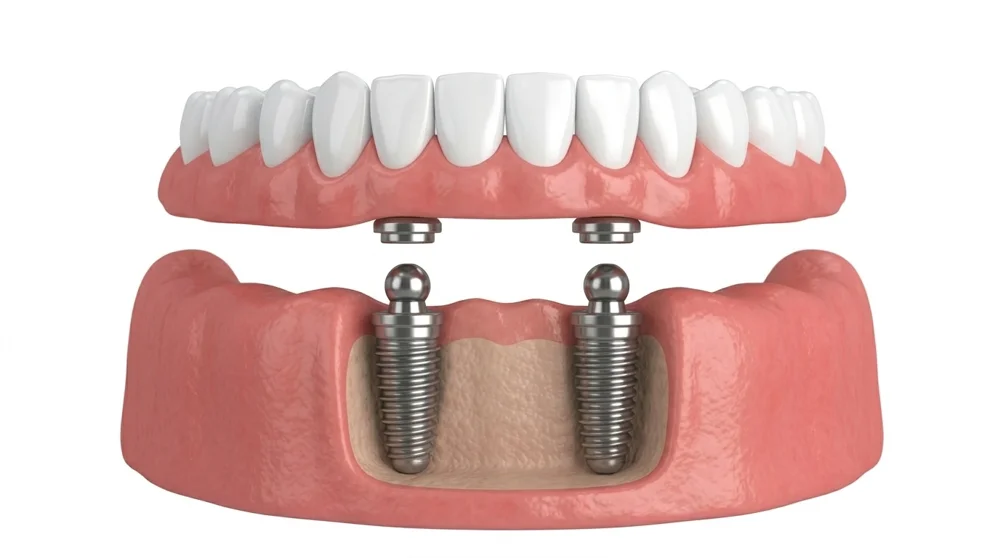
Snap-on dentures, also known as removable implant-supported dentures, offer a secure and stable fit by attaching to dental implants in the jawbone. These dentures are ideal for individuals who have lost all their teeth in the upper or lower jaw and seek a more permanent solution.
The denture base, made from durable materials like acrylic or porcelain, mimics the natural shape and colour of teeth and gums. The dental implants, surgically placed into the jawbone, act as anchors for the denture, providing improved stability and security.
The benefits of snap-on dentures include enhanced biting and chewing ability, natural-looking and feeling teeth, increased confidence, and ease of maintenance. However, they may not suit everyone and can be more costly than traditional dentures.l.
The material used in denture teeth plays a big part in their durability, appearance and cost. Acrylic resin is one of the most common materials because it’s light and affordable. It can be adjusted for fit but is less durable than other options and may need to be replaced every 5-8 years.
Porcelain is another option for its natural look and durability. It looks and feels like real teeth better than acrylic resin but is heavier and more prone to chipping if dropped. Porcelain is chosen for its looks even though it’s more expensive than acrylic.
Metal is used in clasps or frameworks for partial dentures because of its strength and stability. While metal provides great support, it’s not always aesthetically pleasing as it’s visible when you smile or speak.
| Material | Benefits | Considerations |
|---|---|---|
| Acrylic Resin | Lightweight, affordable, easily adjustable | Less durable than porcelain; may need replacement every 5-8 years |
| Porcelain | Durable, natural-looking | Heavier; prone to chipping if dropped |
| Metal (for partials) | Strong and stable framework | Visible metal parts may affect aesthetics |
Denture Base Materials
The denture base is the part of the denture that rests on the gums and provides support for the artificial teeth. Several materials can be used to make the denture base, each with its own advantages and disadvantages:
- Acrylic: The most common material for denture bases, acrylic is durable, easy to work with, and can be coloured to match natural gums.
- Porcelain: More durable than acrylic, porcelain can create a more natural-looking denture base. However, it is more expensive and may require more adjustments.
- Metal: Metal denture bases are strong and durable but can be more expensive than acrylic or porcelain. They are often used for partial dentures or implant-supported dentures.
- Flexible Materials: Materials like nylon or chrome/titanium are used to create flexible dentures that are more comfortable and adaptable to the natural movement of the mouth.
The choice of denture base material will depend on the individual’s needs and preferences and the type of denture being used.
How to Choose a Denture Type
Choosing the right denture involves weighing several factors that affect comfort, function and long-term satisfaction.
Oral health plays a big part - people with healthy gums and enough bone density may be suitable for implant-supported options because of their stability and durability.
Lifestyle also comes into play. Active people prefer fixed solutions like implant supported dentures because they stay in place during eating or speaking. Budget is another consideration, as acrylic dentures are more affordable than porcelain or implant-supported options but may need to be replaced more often.
Comfort shouldn’t be forgotten either - flexible dentures suit those who prioritise ease of wear as they mould to the contours of the gums without irritating.
See our dentists to make a decision that’s right for you.
Benefits of Modern Dentures
Modern dentures do more than replace missing teeth - they can improve quality of life in many ways. One of the biggest benefits is appearance; dentures restore facial structure by supporting cheeks and lips that may have fallen due to tooth loss. This gives a fuller, more youthful look that can boost self-esteem.
Functionality is another area where modern dentures excel. You can chew food again, eat a varied diet without discomfort or difficulty. Speech clarity also improves as gaps caused by missing teeth are filled.
Customisation has come a long way. Digital denture technology closely fits your mouth shape and reduces discomfort and overall satisfaction. Plus, materials like porcelain or flexible nylon provide long-term solutions that can withstand daily wear and still look great.
Problems with Dentures (and Solutions)
While dentures have many benefits, some problems may arise during use. Fit issues can occur over time as the gum shape changes naturally due to bone resorption after tooth loss. Regular dental check-ups can address this by allowing adjustments or relining the denture base.
New wearers may experience discomfort or soreness as they get used to the new appliance. This usually subsides within a few weeks but can be managed by gradual adjustments by your dentist. Using denture adhesive can also enhance comfort and fit, boosting confidence.
Eating certain foods - especially hard or sticky ones - can be tricky with new dentures. Start with soft foods, and then gradually introduce tougher textures.
Proactive maintenance with professional support means these challenges won’t get in the way of enjoying life with dentures.
Caring for Your Dentures
Proper care and maintenance are essential to extend the life of your dentures and ensure they remain comfortable and functional. Here are some tips to keep your dentures in top shape:
- Cleaning: Clean your dentures daily with a soft-bristled brush and mild soap. Avoid using harsh chemicals or abrasive materials that can damage the denture.
- Storage: Store your dentures in a protective case when not in use to prevent damage and bacterial growth.
- Adjustments: Regular adjustments may be necessary to ensure the denture fits properly and remains comfortable.
- Check-ups: Regular check-ups with a dentist or prosthodontist are essential to ensure the denture is fitting properly and to spot any potential issues.
Key Takeaways
- Dentures are available in several forms, including complete, partial, immediate, flexible, and implant-supported, each catering to different dental needs and preferences.
- The choice of material, such as acrylic resin or porcelain, impacts denture teeth’ durability, appearance, and cost. Acrylic is lightweight and affordable, while porcelain offers a natural look but is more expensive.
- When selecting a denture type, consider factors like oral health, lifestyle, comfort, and budget. Implant-supported dentures offer stability for active lifestyles, while flexible dentures provide comfort.
- Dentures replace missing teeth enhance facial aesthetics, improve chewing function, and support clear speech. Customisation with digital technology helps achieve a close fit.
- Dentures may require adjustments over time due to changes in gum shape. Regular dental visits and proper maintenance can address fit issues and discomfort.
- Costs vary widely, with basic options being more affordable than implant-supported solutions. At Odontologie, a basic full denture is $1,250 - $2,500 per jaw, a full denture is from $3,000 per jaw and an acrylic partial is from $1,000. Dental insurance may help cover some expenses.
- Regular check-ups and cleaning routines are crucial for maintaining denture health and longevity.
FAQs
How long do dentures last?
It is recommended that you replace your dentures every 7 years, as your ridge can change and the denture can become painful.
Can I sleep with my dentures?
Taking them out at night is recommended so your gums can rest and bacteria can be minimised through proper cleaning routines.
Are there alternatives to traditional dentures?
Yes! Implant-supported options are more stable but involve surgery and higher upfront costs than removable ones. This is called an over-denture implant. Any surgical or invasive procedure carries risks, so your dentist will talk these through with you first. See our implant-supported dentures page for how they work.
How much do dentures cost in Australia?
The cost varies depending on the type. These are Odontologie Dental Care's prices at our Lansvale practice:
- Acrylic partial denture: from $1,000.
- Cobalt chrome partial denture: approx. $2,500.
- Basic full denture: $1,250 - $2,500 per jaw.
- Full denture: from $3,000 per jaw, made from more detailed records of your jaw and bite, with higher-grade teeth.
- Implant-supported dentures: from $15,000 per jaw.
Your dentist confirms which option suits you after an examination and gives you a written estimate before anything is made. Private health insurance may cover part of these costs - check your policy for details. Our dentures, full dentures and partial dentures pages explain each option in more detail.
Keep reading
More from our dentists
Your next step
Want advice about your own teeth?
An article can only go so far. Book online or ring the Lansvale team on (02) 9725 6241, and a dentist will look at your teeth and talk you through the options that fit you.
- New patients welcome, family dentist since 1988
- All major health funds accepted, HICAPS on the spot
- IV sedation available for nervous patients



 Group